 English
 Español
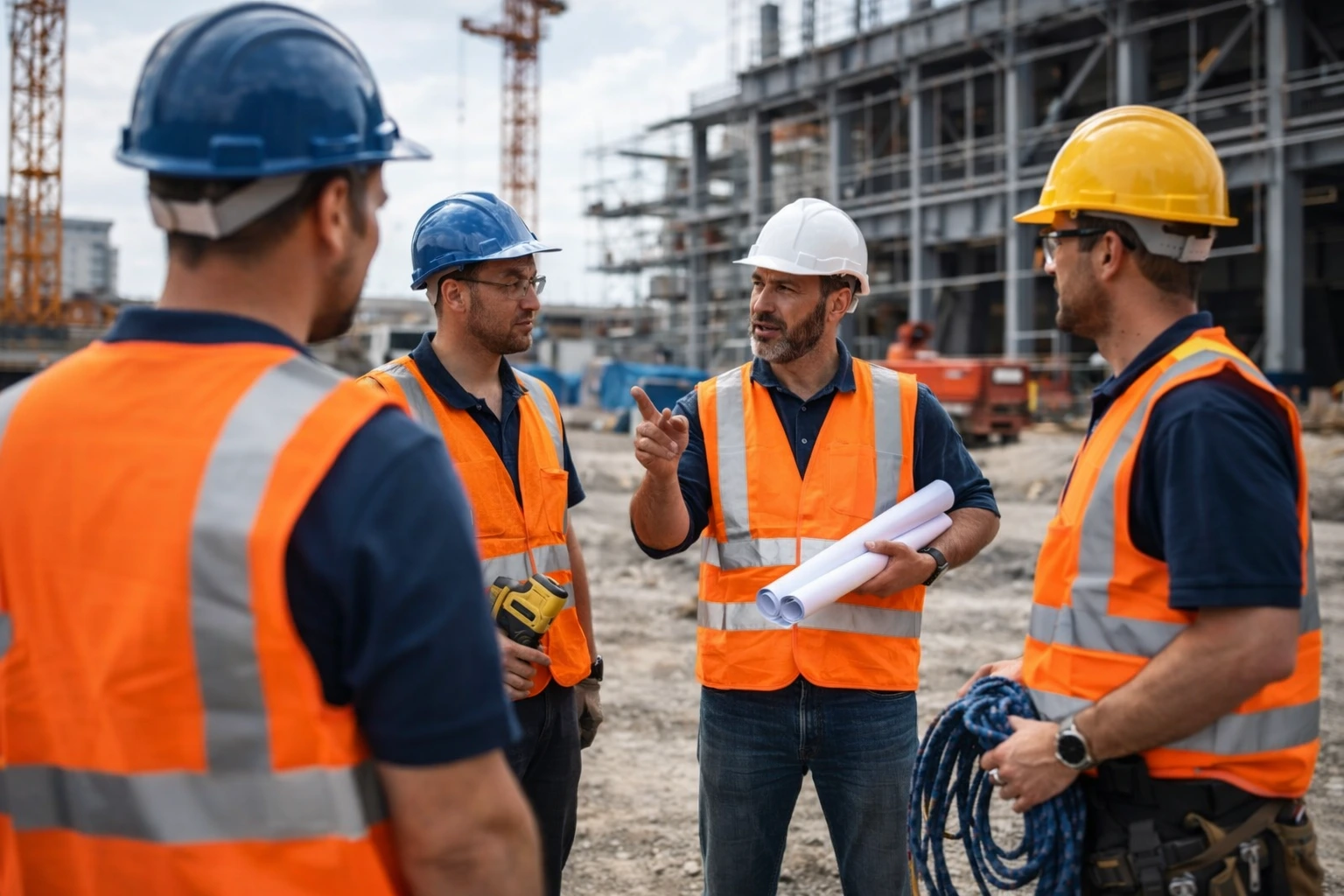
Construction work keeps cities growing, but that progress comes with real risks. From heavy equipment to elevated work areas, even a routine shift can change in an instant when safety breaks down. Identifying the common causes of a construction injury is the foundation of any effective prevention strategy.
Knowing how to prevent accidents on a construction site starts with understanding where injuries actually come from and how safety decisions play out in real jobsite conditions.
At TPR Industrial, we work closely with jobsite safety teams across North America and see firsthand how small decisions around access, protection, and planning directly affect injury risk. In this guide, we’ll break down why construction injuries occur, how to practically reduce risk on site, and the steps teams can take to prevent accidents before they happen.
3 Rules for Preventing Accidents On A Construction Site
Knowing how to prevent accidents on a construction site means aligning equipment, work processes, and daily habits so safety decisions are consistent on every job. When these elements work together, the risk of serious construction injuries drops significantly.
-
Selecting Appropriate Safety Equipment
Safety equipment must match the hazard, not convenience. Helmets, fall protection, visibility safety gear, and access systems should be selected based on real jobsite exposure, not assumptions.
Key factors to consider include:
- Type of work being performed, including overhead or elevated tasks
- Exposure to moving equipment or materials
- Impact risks from falling or swinging objects
- Environmental conditions such as visibility, weather, or confined spaces
Ongoing maintenance matters just as much as selection. Damaged or outdated gear loses effectiveness quickly, making regular inspection and replacement essential.
-
Designing Safer Work Processes
Well-designed work processes reduce reliance on individual reaction time and limit exposure to hazards before accidents occur. Engineering controls and predictable site layouts play a major role.
Effective process design typically includes:
- Defined access and movement pathways
- Physical separation between active work zones
- Guardrails or edge protection in elevated areas
- Task sequencing that reduces congestion and overlap
Clear planning and communication ensure everyone understands where hazards exist and how to move safely through the site.
-
Reinforcing Safe Work Habits Through Training
Equipment and processes only work when habits support them. Ongoing training keeps safety procedures top of mind, especially during routine tasks where complacency can develop.
Strong safety habits are reinforced through:
- Regular toolbox talks tied to current site conditions
- Refresher training when tasks or equipment change
- Clear supervision and accountability
- Open communication as conditions evolve
When teams understand why procedures exist, not just what to do, accident prevention becomes proactive rather than reactive.
The Most Common Construction Injuries That Accidents Create
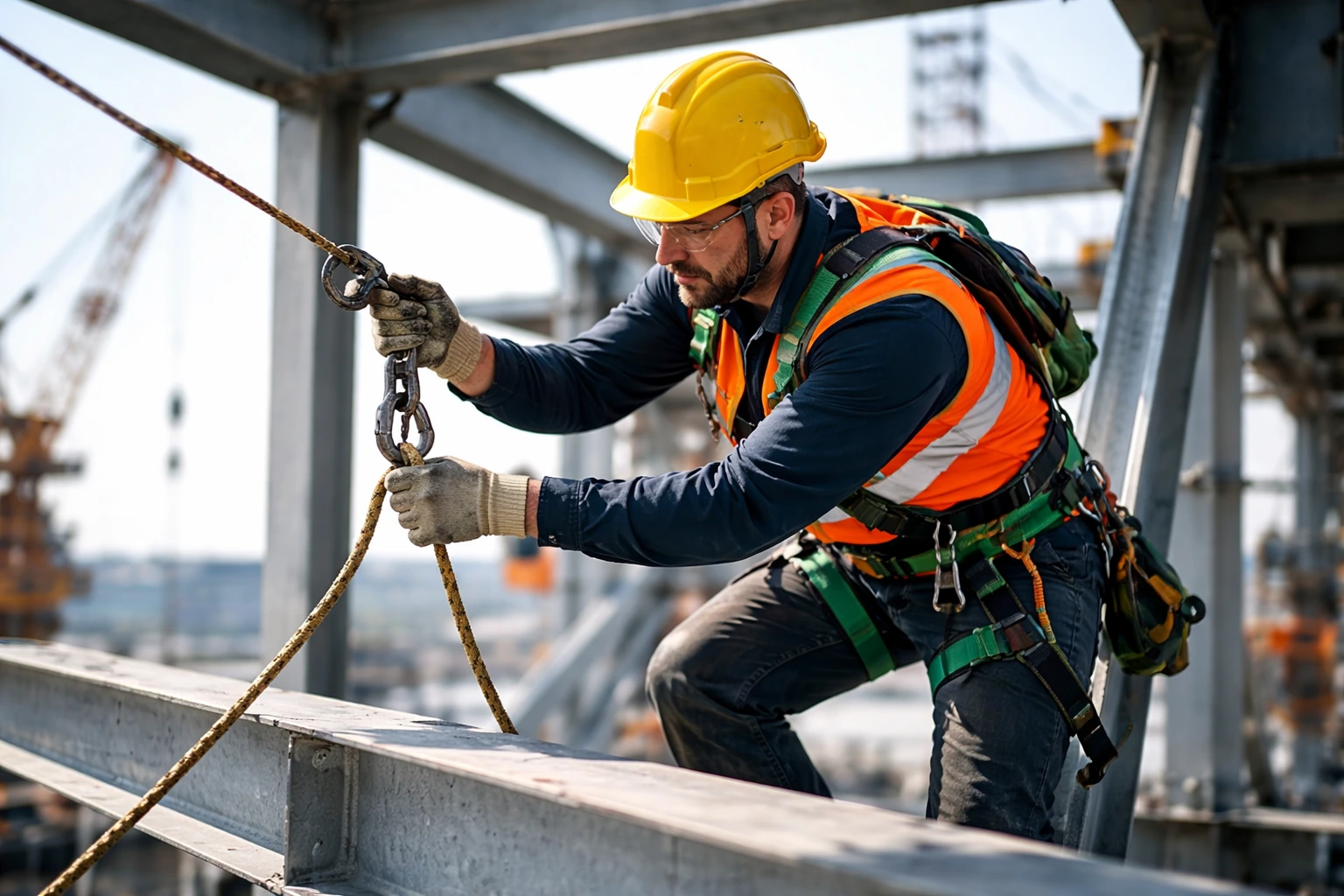
Construction sites expose workers to a wide range of hazards, but not all injuries occur with the same frequency or severity. Some injuries appear repeatedly across different projects and trades because they are tied to everyday jobsite conditions, such as working at height, handling materials overhead, or performing physically demanding tasks over long periods.
Recognizing the most common construction injuries helps helps teams recognize where risk concentrates and why issues like falls, struck-by hazards, and overexertion continue to cause serious harm, allowing them to focus their energy where it actually matters on the job.
Falls and Loss of Balance
Falls are still the leading cause of injury across the industry. Whether someone is on a roof, a ladder, or scaffolding, the risk is always there, and it is often underestimated. When access systems are poorly planned or when fall protection does not match the task, a simple slip can lead to serious head trauma or broken bones that change a life forever.
Falling Objects and Struck-By Hazards
Another major risk comes from objects in motion. Tools and materials moving overhead can become dangerous in seconds, even if the object is small. Data on struck-by injuries on construction sites shows that these incidents usually happen during material handling or when work zones are not clearly separated. This is why having controlled access areas and the right head protection is so critical in a busy environment.
Repetitive Motion and Overexertion
Not every construction injury happens in a split second. Many develop slowly from constant lifting, awkward postures, and long hours that put stress on the body. Over time, this leads to chronic back pain and muscle strains that can shorten a career, even if a major accident never occurs.
Top 10 Causes Of Accidents In The Workplace
Most construction injuries are preventable. Identifying the top 10 causes of accidents in the workplace helps safety teams spot gaps in planning and daily decisions, allowing them to see exactly where safety protocols break down before they lead to trouble.
- Inadequate safety planning: When hazards aren't assessed before work starts, workers have to react instead of prevent. This increases the risk of falls and struck-by accidents.
- Lack of proper protective equipment: Using the wrong gear, or worn-out gear, raises the risk. Many construction injuries happen not because protection was missing, but because it wasn't right for the job.
- Insufficient training and supervision: Even experienced workers face higher injury risk when new equipment is introduced without training. This leads to avoidable mistakes and safety violations.
- Unsafe access to elevated work areas: Using the wrong ladders or missing guardrails makes falls much more likely.
- Poor housekeeping on the jobsite: Cluttered walkways and debris are a top cause of slips, trips, and falls.
- Equipment misuse or improper operation: Using tools or machinery for things they aren't meant to do often leads to sudden, severe accidents.
- Failure to inspect tools and equipment: Working with damaged equipment increases the chance of an unexpected failure and injury.
- Working under time pressure: Rushed schedules lead to shortcuts. When you skip safety steps to save time, the risk of a construction injury goes up.
- Lack of communication between crews: Accidents happen when workers don't know what’s going on nearby, especially with moving equipment or overhead work.
- Complacency in familiar tasks: Doing the same task every day can reduce alertness. It’s easy to overlook hazards when a job feels routine.
Addressing these causes directly is one of the most effective ways to understand how to prevent accidents on a construction site, especially before small oversights turn into serious injuries.
Causes Of Accidents In The Workplace That Are Often Overlooked
Beyond obvious hazards, some causes of accidents in the workplace are less visible but just as dangerous.
Equipment Condition And Certification
Protective gear must meet recognized standards to work correctly. Outdated or uncertified gear reduces impact protection and makes injuries much worse. This is why safety managers follow ANSI Hard Hat standards to ensure every helmet is up to the task.
Unsafe Access And Movement Pathways
Poor access on a site forces workers to make risky moves that lead to falls. For any job involving height, using professional solutions like height safety access systems is essential to keep movement safe and predictable.
Construction Injury Prevention Starts With Better Decisions On Site
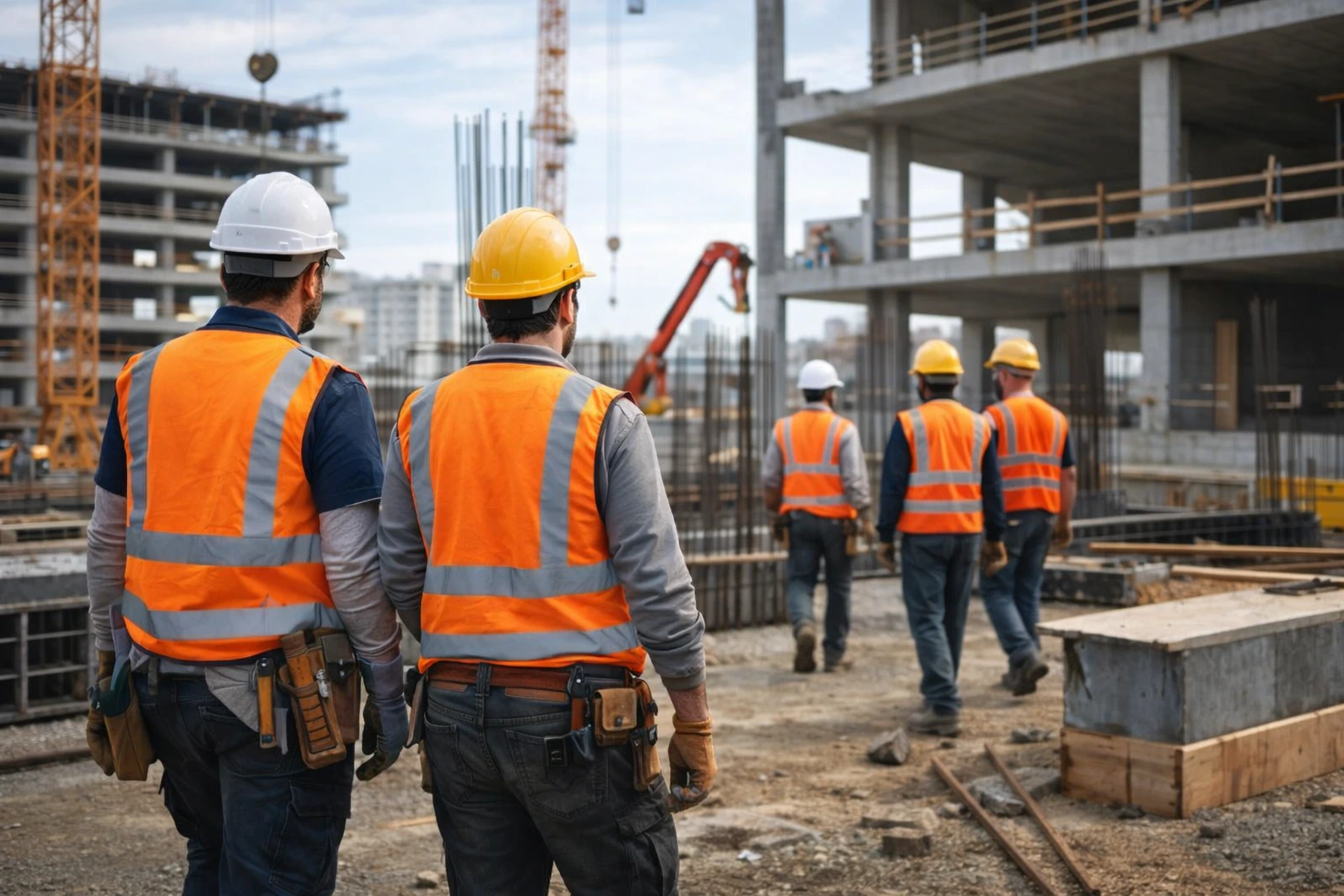
Learning how to prevent accidents on a construction site starts with recognizing that injuries are rarely random. Making better decisions on site, from access methods to protective equipment selection, can significantly reduce the likelihood of a construction injury.
Prevention works best when safety measures reflect how the job is actually done, not just how it is written on paper. At TPR Industrial, we support job site safety by focusing on practical solutions and equipment designed for real construction conditions across North America.
FAQs About Construction Injuries
What Are The Most Common Construction Injuries?
Falls, struck-by incidents, and overexertion-related injuries are among the most frequent across construction sites.
Why do construction accidents continue to happen?
Many accidents result from predictable gaps in planning, training, or equipment selection that increase injury risk.
Are Most Construction Injuries Caused By One Major Hazard?
No. Injuries usually result from a combination of factors such as unsafe access, equipment misuse, fatigue, or lack of coordination between crews.
How Does Fatigue Contribute To Construction Injuries?
Long hours, physically demanding tasks, and insufficient rest reduce alertness and reaction time, increasing the likelihood of accidents and overexertion injuries.
How Can Teams Reduce Long-Term Injury Risk, Not Just Accidents?
Focusing on ergonomics, workload management, and equipment selection helps reduce cumulative injuries that develop over time.
Construction work keeps cities growing, but that progress comes with real risks. From heavy equipment to elevated work areas, even a routine shift can change in an instant when safety breaks down. Identifying the common causes of a construction injury is the foundation of any effective prevention strategy.
Knowing how to prevent accidents on a construction site starts with understanding where injuries actually come from and how safety decisions play out in real jobsite conditions.
At TPR Industrial, we work closely with jobsite safety teams across North America and see firsthand how small decisions around access, protection, and planning directly affect injury risk. In this guide, we’ll break down why construction injuries occur, how to practically reduce risk on site, and the steps teams can take to prevent accidents before they happen.
3 Rules for Preventing Accidents On A Construction Site
Knowing how to prevent accidents on a construction site means aligning equipment, work processes, and daily habits so safety decisions are consistent on every job. When these elements work together, the risk of serious construction injuries drops significantly.
-
Selecting Appropriate Safety Equipment
Safety equipment must match the hazard, not convenience. Helmets, fall protection, visibility safety gear, and access systems should be selected based on real jobsite exposure, not assumptions.
Key factors to consider include:
- Type of work being performed, including overhead or elevated tasks
- Exposure to moving equipment or materials
- Impact risks from falling or swinging objects
- Environmental conditions such as visibility, weather, or confined spaces
Ongoing maintenance matters just as much as selection. Damaged or outdated gear loses effectiveness quickly, making regular inspection and replacement essential.
-
Designing Safer Work Processes
Well-designed work processes reduce reliance on individual reaction time and limit exposure to hazards before accidents occur. Engineering controls and predictable site layouts play a major role.
Effective process design typically includes:
- Defined access and movement pathways
- Physical separation between active work zones
- Guardrails or edge protection in elevated areas
- Task sequencing that reduces congestion and overlap
Clear planning and communication ensure everyone understands where hazards exist and how to move safely through the site.
-
Reinforcing Safe Work Habits Through Training
Equipment and processes only work when habits support them. Ongoing training keeps safety procedures top of mind, especially during routine tasks where complacency can develop.
Strong safety habits are reinforced through:
- Regular toolbox talks tied to current site conditions
- Refresher training when tasks or equipment change
- Clear supervision and accountability
- Open communication as conditions evolve
When teams understand why procedures exist, not just what to do, accident prevention becomes proactive rather than reactive.
The Most Common Construction Injuries That Accidents Create
Construction sites expose workers to a wide range of hazards, but not all injuries occur with the same frequency or severity. Some injuries appear repeatedly across different projects and trades because they are tied to everyday jobsite conditions, such as working at height, handling materials overhead, or performing physically demanding tasks over long periods.
Recognizing the most common construction injuries helps helps teams recognize where risk concentrates and why issues like falls, struck-by hazards, and overexertion continue to cause serious harm, allowing them to focus their energy where it actually matters on the job.
Falls and Loss of Balance
Falls are still the leading cause of injury across the industry. Whether someone is on a roof, a ladder, or scaffolding, the risk is always there, and it is often underestimated. When access systems are poorly planned or when fall protection does not match the task, a simple slip can lead to serious head trauma or broken bones that change a life forever.
Falling Objects and Struck-By Hazards
Another major risk comes from objects in motion. Tools and materials moving overhead can become dangerous in seconds, even if the object is small. Data on struck-by injuries on construction sites shows that these incidents usually happen during material handling or when work zones are not clearly separated. This is why having controlled access areas and the right head protection is so critical in a busy environment.
Repetitive Motion and Overexertion
Not every construction injury happens in a split second. Many develop slowly from constant lifting, awkward postures, and long hours that put stress on the body. Over time, this leads to chronic back pain and muscle strains that can shorten a career, even if a major accident never occurs.
Top 10 Causes Of Accidents In The Workplace
Most construction injuries are preventable. Identifying the top 10 causes of accidents in the workplace helps safety teams spot gaps in planning and daily decisions, allowing them to see exactly where safety protocols break down before they lead to trouble.
- Inadequate safety planning: When hazards aren't assessed before work starts, workers have to react instead of prevent. This increases the risk of falls and struck-by accidents.
- Lack of proper protective equipment: Using the wrong gear, or worn-out gear, raises the risk. Many construction injuries happen not because protection was missing, but because it wasn't right for the job.
- Insufficient training and supervision: Even experienced workers face higher injury risk when new equipment is introduced without training. This leads to avoidable mistakes and safety violations.
- Unsafe access to elevated work areas: Using the wrong ladders or missing guardrails makes falls much more likely.
- Poor housekeeping on the jobsite: Cluttered walkways and debris are a top cause of slips, trips, and falls.
- Equipment misuse or improper operation: Using tools or machinery for things they aren't meant to do often leads to sudden, severe accidents.
- Failure to inspect tools and equipment: Working with damaged equipment increases the chance of an unexpected failure and injury.
- Working under time pressure: Rushed schedules lead to shortcuts. When you skip safety steps to save time, the risk of a construction injury goes up.
- Lack of communication between crews: Accidents happen when workers don't know what’s going on nearby, especially with moving equipment or overhead work.
- Complacency in familiar tasks: Doing the same task every day can reduce alertness. It’s easy to overlook hazards when a job feels routine.
Addressing these causes directly is one of the most effective ways to understand how to prevent accidents on a construction site, especially before small oversights turn into serious injuries.
Causes Of Accidents In The Workplace That Are Often Overlooked
Beyond obvious hazards, some causes of accidents in the workplace are less visible but just as dangerous.
Equipment Condition And Certification
Protective gear must meet recognized standards to work correctly. Outdated or uncertified gear reduces impact protection and makes injuries much worse. This is why safety managers follow ANSI Hard Hat standards to ensure every helmet is up to the task.
Unsafe Access And Movement Pathways
Poor access on a site forces workers to make risky moves that lead to falls. For any job involving height, using professional solutions like height safety access systems is essential to keep movement safe and predictable.
Construction Injury Prevention Starts With Better Decisions On Site
Learning how to prevent accidents on a construction site starts with recognizing that injuries are rarely random. Making better decisions on site, from access methods to protective equipment selection, can significantly reduce the likelihood of a construction injury.
Prevention works best when safety measures reflect how the job is actually done, not just how it is written on paper. At TPR Industrial, we support job site safety by focusing on practical solutions and equipment designed for real construction conditions across North America.
FAQs About Construction Injuries
What Are The Most Common Construction Injuries?
Falls, struck-by incidents, and overexertion-related injuries are among the most frequent across construction sites.
Why do construction accidents continue to happen?
Many accidents result from predictable gaps in planning, training, or equipment selection that increase injury risk.
Are Most Construction Injuries Caused By One Major Hazard?
No. Injuries usually result from a combination of factors such as unsafe access, equipment misuse, fatigue, or lack of coordination between crews.
How Does Fatigue Contribute To Construction Injuries?
Long hours, physically demanding tasks, and insufficient rest reduce alertness and reaction time, increasing the likelihood of accidents and overexertion injuries.
How Can Teams Reduce Long-Term Injury Risk, Not Just Accidents?
Focusing on ergonomics, workload management, and equipment selection helps reduce cumulative injuries that develop over time.
