 English
 Español
The Science of Safety: Understanding Mips® Technology
Falling isn't always a straight line. Whether on a construction site or a cycling path, most impacts happen at an angle. While traditional helmets are great at protecting against direct vertical drops, they often overlook the "twist."
Here is a draft for your blog post, organized to highlight the science and the solution.
The Science of Head Injury: It’s All About Rotation
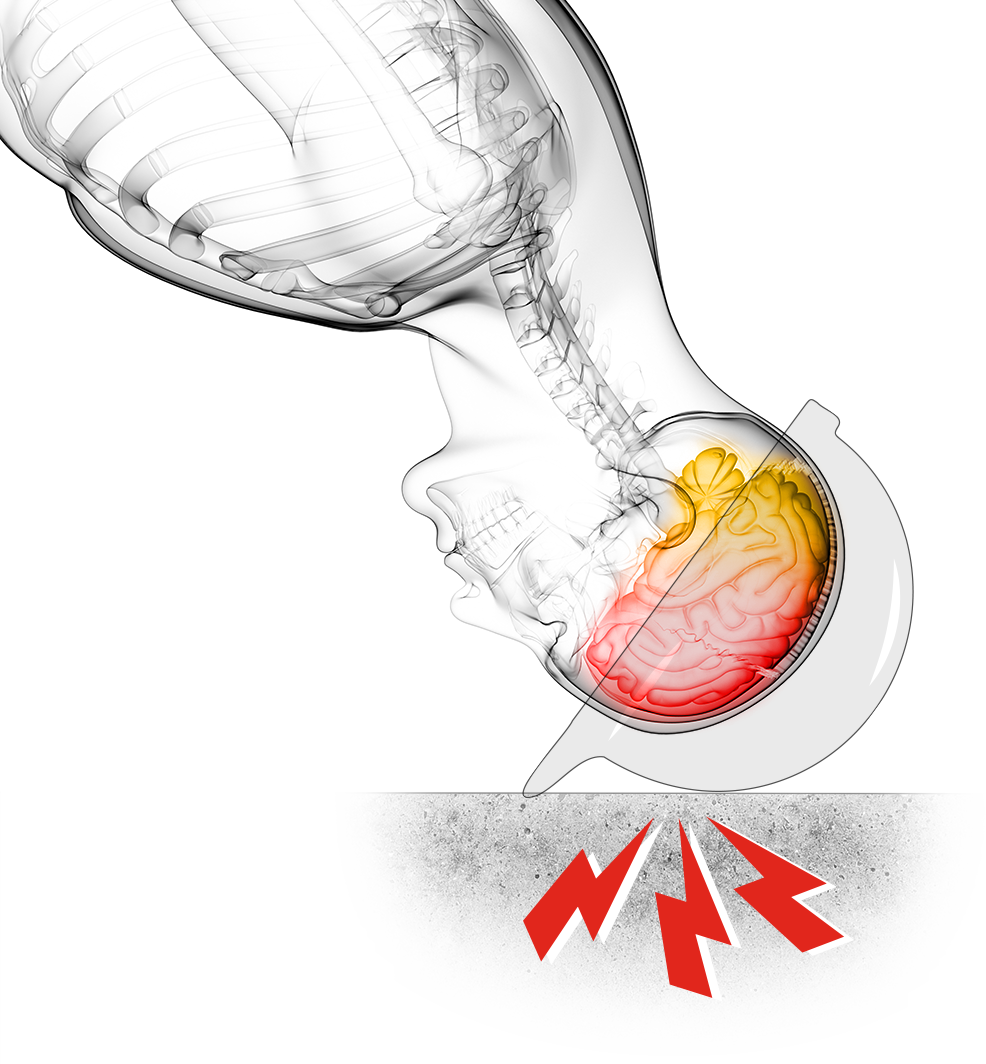
Most people assume a head injury is just a "bump," but the physics are more complex. When you trip while moving forward, you don't just fall down—you fall at an angle.
-
Rotational Force: This forward energy creates a spinning motion upon impact.
-
Brain Sensitivity: Our brains are surprisingly sensitive to these rotational forces. While the skull is hard, the brain is soft; rotational strain can cause the brain to slide against the inner skull, leading to concussions or Traumatic Brain Injuries (TBIs).
Why Standard Hard Hats Fall Short
In a typical trip-and-fall scenario, a conventional hard hat without a chin strap is likely to fly off before your head even hits the ground. Even with a chin strap, a standard helmet is often "locked" to your head. When the helmet hits the ground and stops or twists, your head—and your brain—is forced to follow that sudden, violent movement.
Introducing Mips®: The Low-Friction Revolution
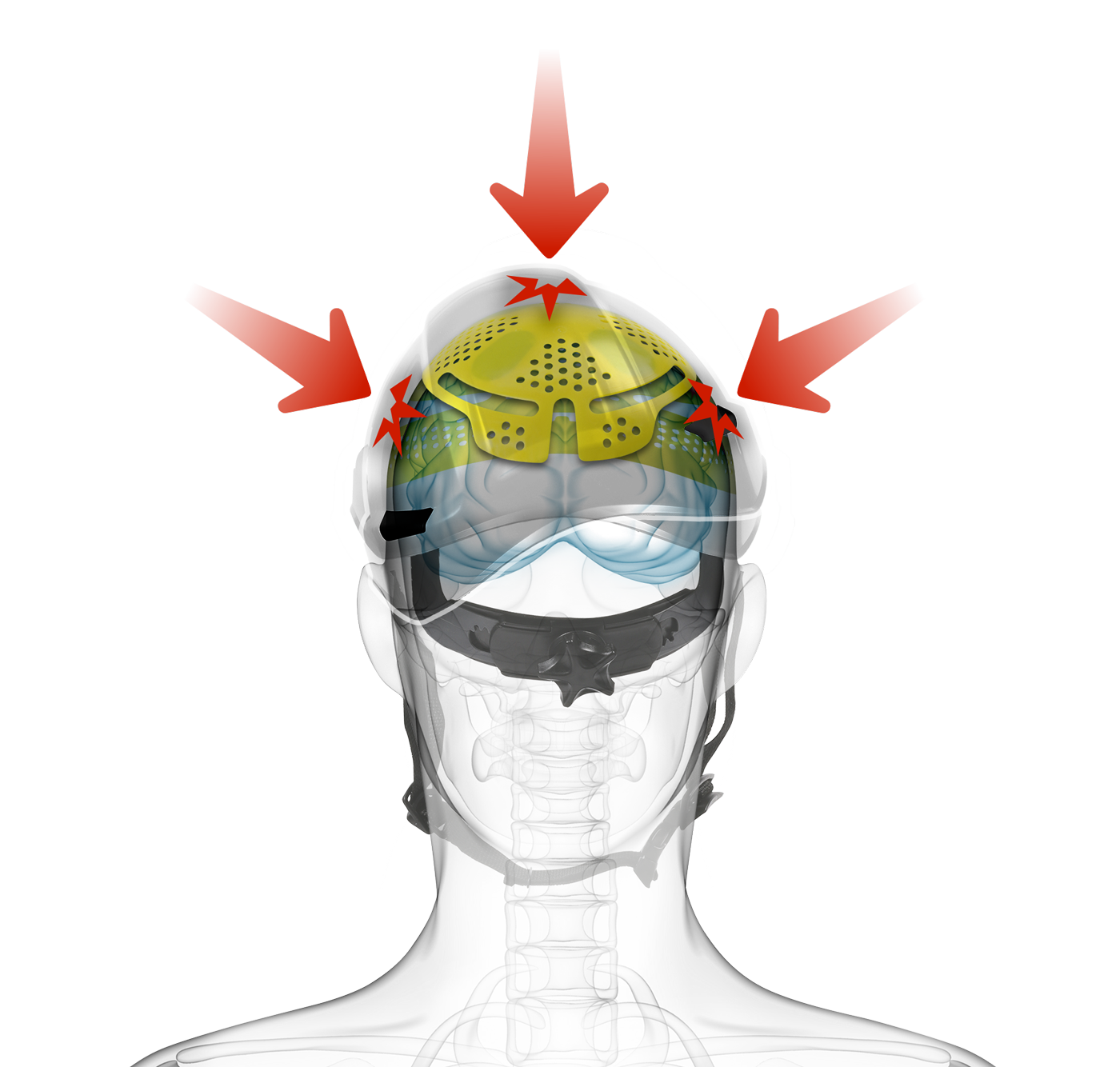
Mips® (Multi-directional Impact Protection System) is a low-friction layer integrated inside the helmet. It’s designed to act as a buffer, mimicking the body’s own natural protection system (the cerebrospinal fluid).
How it works during those critical first milliseconds:
-
Redirecting Force: The system allows for 10–15 mm of relative movement between the helmet and the head during the first 5–10ms of an impact.
-
Performance Under Pressure: Even when an impact creates a "point load" of up to 2,200 lbs, the Mips® layer is designed to slide, redirecting the rotational energy away from your brain.
Featured Solution: Securis Type 2 Safety Helmets
At TPR Industrial, we don’t just talk about the science—we provide the gear that implements it. We proudly carry the Securis Type 2 Safety Helmet line, which is engineered specifically for the modern jobsite.
Why choose Securis?
-
Integrated Mips® Technology: Every helmet in the Securis line features the built-in Mips® layer to mitigate rotational force.
-
Full-Spectrum Protection: Unlike Type 1 hard hats that only protect from top impacts, Securis Type 2 helmets protect against impacts to the front, back, and sides.
-
Versatility for Every Trade: Whether you need a vented model for breathability (Class C) or a non-vented model for electrical work (Class E), the Securis line offers Micro-Brim, Front-Brim, and Full-Brim options to fit your specific needs.
The Science of Safety: Understanding Mips® Technology
Falling isn't always a straight line. Whether on a construction site or a cycling path, most impacts happen at an angle. While traditional helmets are great at protecting against direct vertical drops, they often overlook the "twist."
Here is a draft for your blog post, organized to highlight the science and the solution.
The Science of Head Injury: It’s All About Rotation
Most people assume a head injury is just a "bump," but the physics are more complex. When you trip while moving forward, you don't just fall down—you fall at an angle.
-
Rotational Force: This forward energy creates a spinning motion upon impact.
-
Brain Sensitivity: Our brains are surprisingly sensitive to these rotational forces. While the skull is hard, the brain is soft; rotational strain can cause the brain to slide against the inner skull, leading to concussions or Traumatic Brain Injuries (TBIs).
Why Standard Hard Hats Fall Short
In a typical trip-and-fall scenario, a conventional hard hat without a chin strap is likely to fly off before your head even hits the ground. Even with a chin strap, a standard helmet is often "locked" to your head. When the helmet hits the ground and stops or twists, your head—and your brain—is forced to follow that sudden, violent movement.
Introducing Mips®: The Low-Friction Revolution
Mips® (Multi-directional Impact Protection System) is a low-friction layer integrated inside the helmet. It’s designed to act as a buffer, mimicking the body’s own natural protection system (the cerebrospinal fluid).
How it works during those critical first milliseconds:
-
Redirecting Force: The system allows for 10–15 mm of relative movement between the helmet and the head during the first 5–10ms of an impact.
-
Performance Under Pressure: Even when an impact creates a "point load" of up to 2,200 lbs, the Mips® layer is designed to slide, redirecting the rotational energy away from your brain.
Featured Solution: Securis Type 2 Safety Helmets
At TPR Industrial, we don’t just talk about the science—we provide the gear that implements it. We proudly carry the Securis Type 2 Safety Helmet line, which is engineered specifically for the modern jobsite.
Why choose Securis?
-
Integrated Mips® Technology: Every helmet in the Securis line features the built-in Mips® layer to mitigate rotational force.
-
Full-Spectrum Protection: Unlike Type 1 hard hats that only protect from top impacts, Securis Type 2 helmets protect against impacts to the front, back, and sides.
-
Versatility for Every Trade: Whether you need a vented model for breathability (Class C) or a non-vented model for electrical work (Class E), the Securis line offers Micro-Brim, Front-Brim, and Full-Brim options to fit your specific needs.
