 English
 Español

Falls from height remain one of the leading causes of serious workplace injuries, and rooftop work consistently carries elevated risk. Roof anchors are one of the most important components of fall protection systems, yet they’re often misunderstood or oversimplified. Many people know they need them, but far fewer understand how roof anchors actually work or how to choose the right type for a specific job.
This guide explains what are roof anchors, how a roof anchor functions within fall protection systems, and how to use them correctly to improve rooftop safety and compliance.
For crews sourcing equipment, TPR Industrial offers fall protection anchors, lifelines, self-retracting lifelines, and other fall protection equipment for construction, roofing, industrial, and maintenance work.
What Are Roof Anchors?
Roof anchors are engineered attachment points installed on rooftops to secure personal fall protection systems. They create a structural connection between a worker’s harness and the building, allowing lifelines, lanyards, or self-retracting lifelines to perform as designed.
If you’re asking what a roof anchor is, the key distinction is this: it is not a convenient tie-off location. A roof anchor is a tested, rated component specifically designed to withstand fall-related forces. Understanding what roof anchors are starts with recognizing that strength alone is not enough: certification, placement, and compatibility matter.
Why Roof Anchors Are Essential for Fall Protection
Without properly installed roof anchors, most rooftop fall protection systems simply cannot function. Guardrails and warning lines can reduce risk in some situations, but many rooftops require workers to approach edges, cross large open areas, or perform tasks where collective protection isn’t practical.
In those cases, roof anchors allow workers to remain safely connected while moving across the roof. When selected and installed correctly, roof anchors help:
- Reduce fall distance and severity
- Support compliant fall arrest or restraint systems
- Enable safe access to roof edges and equipment
- Limit liability for employers and building owners
Poorly chosen roof anchors, on the other hand, can restrict movement or create a false sense of security.
Roof Anchors and Rooftop Safety in Real-World Conditions
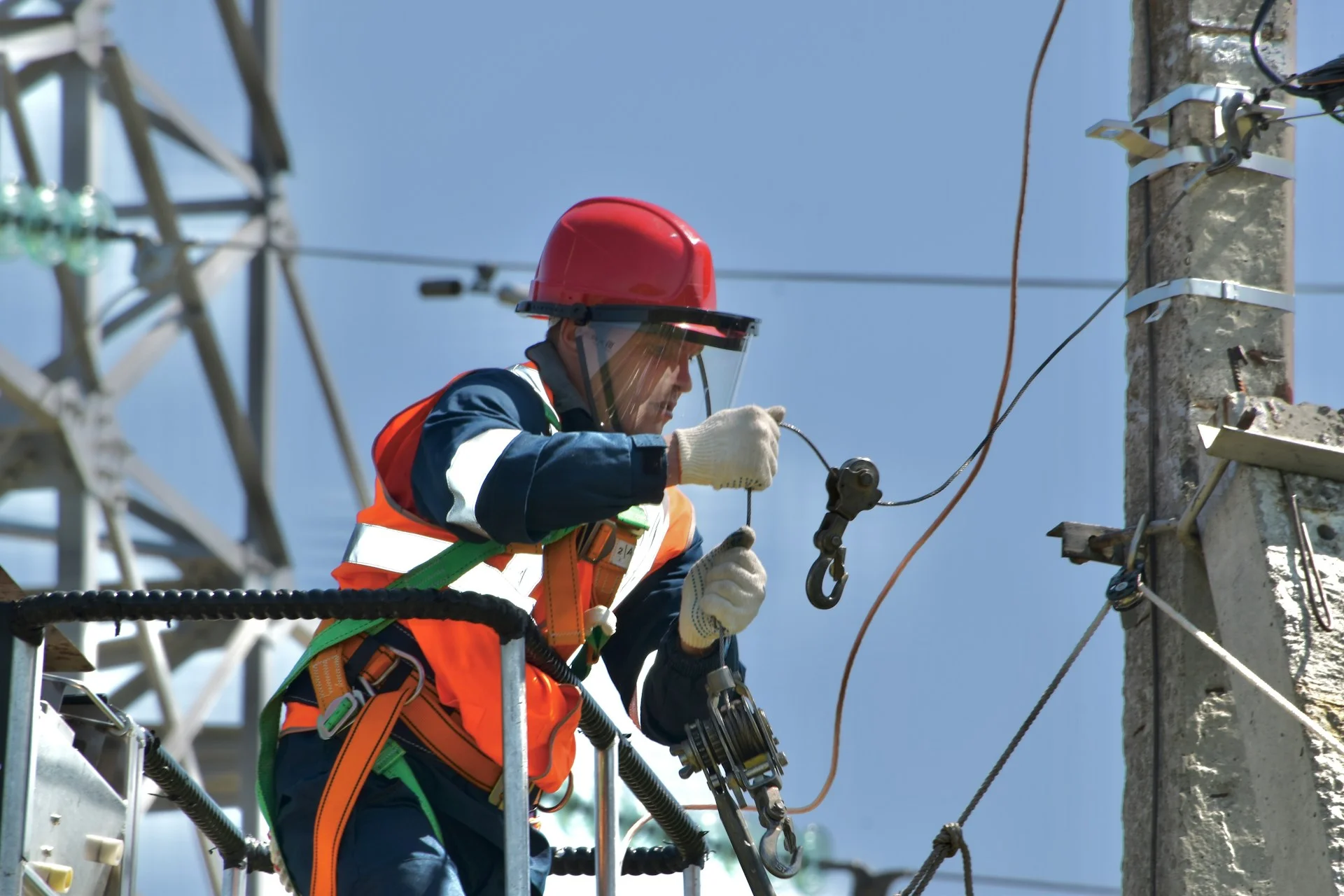
Effective rooftop safety depends on how well fall protection systems reflect how people actually work. Roof anchors must support realistic movement patterns, not idealized ones.
Anchors placed too far apart can force workers to disconnect and reconnect repeatedly. Anchors placed without regard for work zones may allow workers to reach hazards unintentionally. Properly planned roof anchors support safe behavior rather than working against it.
Types of Roof Anchors Used in Fall Protection
Not all roof anchors are interchangeable. Each type is designed for specific roof conditions and work requirements.
Permanent Roof Anchors
Permanent roof anchors are fixed directly to the roof structure and remain in place long-term. They are commonly used on commercial and industrial buildings where ongoing rooftop access is required.
They are often selected when:
- Routine maintenance or inspections are expected
- Long-term fall protection infrastructure is needed
- Integration with lifelines or SRLs is required
Because permanent roof anchors become part of the building, they must be compatible with the roof substrate and structural design.
Temporary and Portable Roof Anchors
Temporary roof anchors are intended for short-term or task-specific work. These anchors are commonly used during construction, reroofing, or maintenance projects where permanent installation isn’t practical.
Temporary roof anchors may include:
- Clamp-style anchors
- Counterweight anchor systems
- Portable anchorage devices
While flexible, these roof anchors must be installed exactly as specified and should never be treated as permanent solutions.
How Roof Anchors Work in Fall Arrest Systems
When used in fall arrest systems, roof anchors are designed to stop a fall after it has begun. This means the anchor must withstand dynamic loads generated during the fall, not just the worker’s static weight.
In fall arrest applications:
- Roof anchors are positioned to minimize free-fall distance
- Clearance below the working surface must be calculated
- Anchors must be compatible with shock-absorbing components
Understanding what is a roof anchor in this context means recognizing that it plays an active role during a fall event.
Roof Anchors in Travel Restraint Systems
Travel restraint systems use roof anchors to prevent workers from reaching a fall hazard at all. Instead of stopping a fall, the system restricts movement so the edge cannot be reached.
This approach is often preferred because it:
- Eliminates fall arrest forces
- Reduces equipment wear
- Simplifies clearance requirements
For routine maintenance tasks, restraint-based roof anchors are often the safest and most efficient option.
Horizontal Lifelines and Roof Anchors
Horizontal lifeline systems rely on multiple roof anchors working together. Rather than tying off to a single point, workers connect to a cable that allows continuous movement across the roof.
Because loads are shared across anchors, these systems require:
- Proper anchor spacing
- Engineered layout and installation
- Compatibility between all components
In horizontal systems, roof anchors are not standalone devices—they function as part of a coordinated system.
Where Roof Anchors Should Be Installed
Placement is one of the most overlooked aspects of roof anchors. Anchors should be located based on work zones, roof edges, and expected movement paths, not just structural convenience.
Installing too few roof anchors can force unsafe behavior, while poor placement can limit system effectiveness. Thoughtful anchor layout is essential for real-world rooftop safety.
Common Mistakes When Using Roof Anchors
Many incidents involving roof anchors stem from misunderstandings rather than equipment failure. Common issues include:
- Assuming any solid object can act as an anchor
- Using temporary roof anchors for long-term access
- Mixing incompatible components within a system
- Ignoring fall clearance requirements
These mistakes highlight why understanding what are roof anchors in practical terms is critical.
How TPR Industrial Supports Roof Anchor Solutions

At TPR Industrial, fall protection is approached from a jobsite-first perspective. TPR Industrial supplies a wide range of fall protection anchors, fall protection lifelines, self-retracting lifelines, and complete fall protection equipment designed for real-world rooftop conditions.
Rather than focusing on theory alone, TPR Industrial helps contractors and safety managers select equipment that aligns with how work is actually performed on rooftops.
Choosing the Right Roof Anchors for Your Jobsite
There is no single solution when it comes to roof anchors. The right choice depends on roof type, duration of work, number of workers, and whether fall arrest or restraint is required.
Choosing the correct roof anchors means balancing safety, usability, and compliance rather than defaulting to convenience.
Roof Anchors and Fall Protection
Roof anchors are a foundational element of effective fall protection. Understanding what are roof anchors, how they function, and how they integrate with other safety equipment allows crews to work more safely and confidently at height. When selected and installed correctly, roof anchors reduce risk, improve rooftop safety, and support compliant fall protection systems.
If you need help selecting roof anchors or building a complete fall protection solution, contact TPR Industrial for expert guidance and reliable equipment.
Falls from height remain one of the leading causes of serious workplace injuries, and rooftop work consistently carries elevated risk. Roof anchors are one of the most important components of fall protection systems, yet they’re often misunderstood or oversimplified. Many people know they need them, but far fewer understand how roof anchors actually work or how to choose the right type for a specific job.
This guide explains what are roof anchors, how a roof anchor functions within fall protection systems, and how to use them correctly to improve rooftop safety and compliance.
For crews sourcing equipment, TPR Industrial offers fall protection anchors, lifelines, self-retracting lifelines, and other fall protection equipment for construction, roofing, industrial, and maintenance work.
What Are Roof Anchors?
Roof anchors are engineered attachment points installed on rooftops to secure personal fall protection systems. They create a structural connection between a worker’s harness and the building, allowing lifelines, lanyards, or self-retracting lifelines to perform as designed.
If you’re asking what a roof anchor is, the key distinction is this: it is not a convenient tie-off location. A roof anchor is a tested, rated component specifically designed to withstand fall-related forces. Understanding what roof anchors are starts with recognizing that strength alone is not enough: certification, placement, and compatibility matter.
Why Roof Anchors Are Essential for Fall Protection
Without properly installed roof anchors, most rooftop fall protection systems simply cannot function. Guardrails and warning lines can reduce risk in some situations, but many rooftops require workers to approach edges, cross large open areas, or perform tasks where collective protection isn’t practical.
In those cases, roof anchors allow workers to remain safely connected while moving across the roof. When selected and installed correctly, roof anchors help:
- Reduce fall distance and severity
- Support compliant fall arrest or restraint systems
- Enable safe access to roof edges and equipment
- Limit liability for employers and building owners
Poorly chosen roof anchors, on the other hand, can restrict movement or create a false sense of security.
Roof Anchors and Rooftop Safety in Real-World Conditions
Effective rooftop safety depends on how well fall protection systems reflect how people actually work. Roof anchors must support realistic movement patterns, not idealized ones.
Anchors placed too far apart can force workers to disconnect and reconnect repeatedly. Anchors placed without regard for work zones may allow workers to reach hazards unintentionally. Properly planned roof anchors support safe behavior rather than working against it.
Types of Roof Anchors Used in Fall Protection
Not all roof anchors are interchangeable. Each type is designed for specific roof conditions and work requirements.
Permanent Roof Anchors
Permanent roof anchors are fixed directly to the roof structure and remain in place long-term. They are commonly used on commercial and industrial buildings where ongoing rooftop access is required.
They are often selected when:
- Routine maintenance or inspections are expected
- Long-term fall protection infrastructure is needed
- Integration with lifelines or SRLs is required
Because permanent roof anchors become part of the building, they must be compatible with the roof substrate and structural design.
Temporary and Portable Roof Anchors
Temporary roof anchors are intended for short-term or task-specific work. These anchors are commonly used during construction, reroofing, or maintenance projects where permanent installation isn’t practical.
Temporary roof anchors may include:
- Clamp-style anchors
- Counterweight anchor systems
- Portable anchorage devices
While flexible, these roof anchors must be installed exactly as specified and should never be treated as permanent solutions.
How Roof Anchors Work in Fall Arrest Systems
When used in fall arrest systems, roof anchors are designed to stop a fall after it has begun. This means the anchor must withstand dynamic loads generated during the fall, not just the worker’s static weight.
In fall arrest applications:
- Roof anchors are positioned to minimize free-fall distance
- Clearance below the working surface must be calculated
- Anchors must be compatible with shock-absorbing components
Understanding what is a roof anchor in this context means recognizing that it plays an active role during a fall event.
Roof Anchors in Travel Restraint Systems
Travel restraint systems use roof anchors to prevent workers from reaching a fall hazard at all. Instead of stopping a fall, the system restricts movement so the edge cannot be reached.
This approach is often preferred because it:
- Eliminates fall arrest forces
- Reduces equipment wear
- Simplifies clearance requirements
For routine maintenance tasks, restraint-based roof anchors are often the safest and most efficient option.
Horizontal Lifelines and Roof Anchors
Horizontal lifeline systems rely on multiple roof anchors working together. Rather than tying off to a single point, workers connect to a cable that allows continuous movement across the roof.
Because loads are shared across anchors, these systems require:
- Proper anchor spacing
- Engineered layout and installation
- Compatibility between all components
In horizontal systems, roof anchors are not standalone devices—they function as part of a coordinated system.
Where Roof Anchors Should Be Installed
Placement is one of the most overlooked aspects of roof anchors. Anchors should be located based on work zones, roof edges, and expected movement paths, not just structural convenience.
Installing too few roof anchors can force unsafe behavior, while poor placement can limit system effectiveness. Thoughtful anchor layout is essential for real-world rooftop safety.
Common Mistakes When Using Roof Anchors
Many incidents involving roof anchors stem from misunderstandings rather than equipment failure. Common issues include:
- Assuming any solid object can act as an anchor
- Using temporary roof anchors for long-term access
- Mixing incompatible components within a system
- Ignoring fall clearance requirements
These mistakes highlight why understanding what are roof anchors in practical terms is critical.
How TPR Industrial Supports Roof Anchor Solutions
At TPR Industrial, fall protection is approached from a jobsite-first perspective. TPR Industrial supplies a wide range of fall protection anchors, fall protection lifelines, self-retracting lifelines, and complete fall protection equipment designed for real-world rooftop conditions.
Rather than focusing on theory alone, TPR Industrial helps contractors and safety managers select equipment that aligns with how work is actually performed on rooftops.
Choosing the Right Roof Anchors for Your Jobsite
There is no single solution when it comes to roof anchors. The right choice depends on roof type, duration of work, number of workers, and whether fall arrest or restraint is required.
Choosing the correct roof anchors means balancing safety, usability, and compliance rather than defaulting to convenience.
Roof Anchors and Fall Protection
Roof anchors are a foundational element of effective fall protection. Understanding what are roof anchors, how they function, and how they integrate with other safety equipment allows crews to work more safely and confidently at height. When selected and installed correctly, roof anchors reduce risk, improve rooftop safety, and support compliant fall protection systems.
If you need help selecting roof anchors or building a complete fall protection solution, contact TPR Industrial for expert guidance and reliable equipment.
