 English
 Español
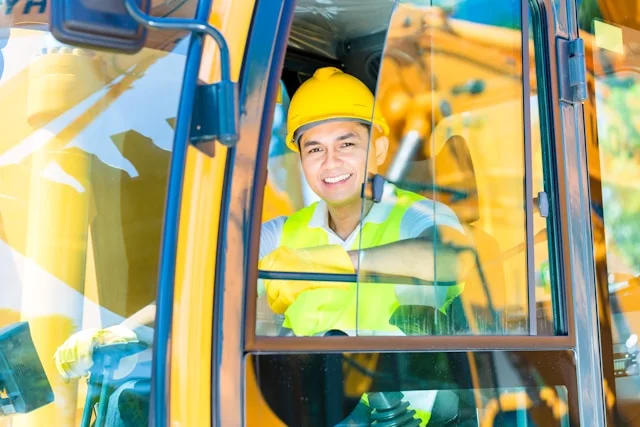
When it comes to keeping your team safe, having the right safety gear for construction isn’t optional—it’s essential. Construction sites are unpredictable environments where even small oversights can lead to serious injuries. The right gear doesn’t just meet compliance standards; it keeps your crew confident, focused, and protected while they get the job done.
If you’re setting up a new jobsite or reviewing your company’s PPE checklist, this guide covers essential construction safety gear, protective clothing, fall protection, head protection, lighting, gloves, eye protection, hearing protection, and more. Need help selecting or ordering your team’s gear? You can always contact us to talk through your site’s specific requirements.
Looking for construction safety gear?
Type 2 Safety Helmets & Accessories
Fall Protection Equipment
High-Visibility Apparel
Jobsite Lighting
SafeSmart Modular Stair Systems
Why Safety Gear for Construction Matters
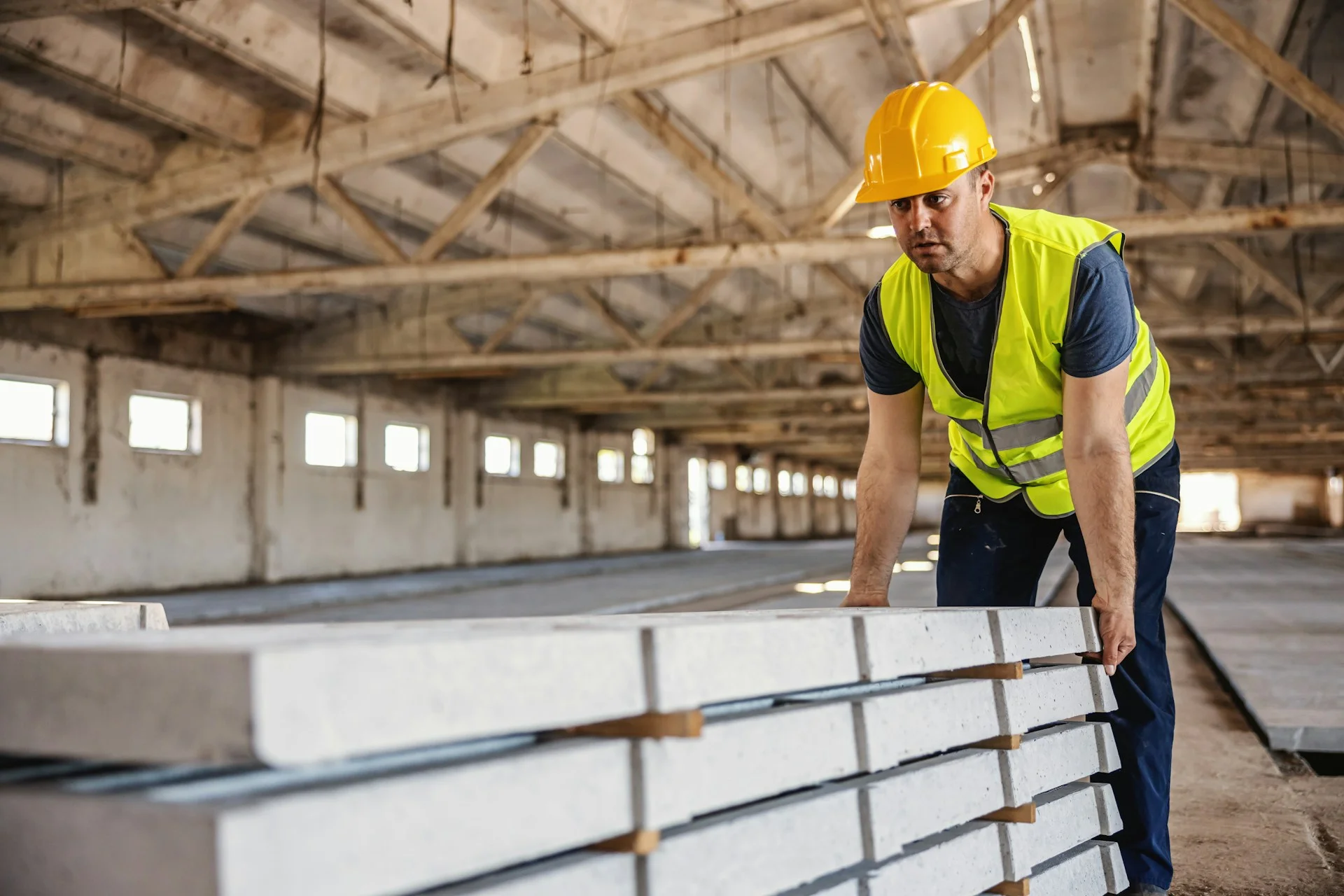
Construction work naturally comes with risks: falling debris, loud equipment, flying dust, elevated work, moving vehicles, changing weather, and exposure to the elements. Proper safety equipment for construction helps reduce those risks and gives workers the protection they need to stay focused on the job.
The best PPE program starts with a hazard assessment. Once you understand the risks on your site, you can match each worker with the right gear for the task, environment, and exposure level.
The Core Components of Safety Gear for Construction
The right gear varies depending on your trade and site conditions, but these core items form the foundation of construction worker safety gear.
Head Protection: Hard Hats and Type 2 Safety Helmets
Nothing is more iconic—or more critical—on a jobsite than head protection. Whether it is falling debris, contact with overhead beams, slips, trips, falls, or equipment contact, the right hard hat or safety helmet can make a major difference.
Traditional hard hats are often designed mainly for top-of-head impacts. Modern Type 2 safety helmets are designed to help protect against impacts from the top, front, back, and sides.
If you’re not sure which style your crew needs, check out our detailed guide on Type I and Type II hard hats explained.
Shop Type 2 Safety Helmets & Accessories
Shop Hardknock Type 2 Helmets with Nuro Technology
Shop Securis Type 2 Helmets with Mips® Technology
Eye and Face Protection
Flying debris, dust, sparks, chemicals, and grinding hazards are part of the job, but they should not endanger your eyes. Safety glasses, goggles, face shields, and welding protection all play a role depending on the task.
High-quality protective gear for construction workers should offer impact resistance, comfort, anti-fog performance, and the right lens or shield style for the work being performed.
Hearing Protection
Construction sites can expose workers to damaging noise from saws, compressors, machinery, demolition tools, and heavy equipment. Earplugs and earmuffs help protect hearing while allowing workers to stay focused and productive.
Some modern hearing protection options also support communication, situational awareness, and helmet-mounted compatibility.
Hand Protection: Gloves That Work as Hard as You Do
Your hands handle tools, materials, fasteners, equipment, concrete, chemicals, and sharp edges all day, so they deserve protection that fits and performs.
Depending on the job, you may need gloves designed for:
- Cut and puncture resistance for sharp materials or wire work.
- Impact protection for heavy tools and machinery.
- Chemical resistance for solvents, concrete, or coatings.
- Grip and dexterity for handling tools and fasteners.
Choose gloves that balance flexibility and protection. Well-fitting hand protection helps reduce fatigue and keeps productivity high.
Respiratory Protection
Dust, fumes, silica, smoke, and airborne particulates can create short-term and long-term health risks. N95 respirators, disposable masks, half-mask respirators, cartridges, and filters may be needed depending on the exposure.
Good respiratory protection should fit properly, be easy to maintain, and match the hazard workers are facing.
Fall Protection Equipment
Falls remain one of the biggest hazards in construction. When crews work at height, they need the right combination of harnesses, anchors, lanyards, lifelines, rope grabs, self-retracting lifelines, and fall protection kits.
Fall protection should be selected based on the work surface, anchor point, fall clearance, rescue plan, and type of task being performed.
Shop Fall Protection Equipment
Shop Full Body Safety Harnesses
Shop Fall Protection Anchors
Foot Protection: Boots That Mean Business
The right boots do more than protect your toes. They provide traction, stability, and comfort for long days on uneven ground.
Look for features such as:
- Steel or composite toe protection.
- Slip-resistant soles.
- Electrical hazard ratings when needed.
- Waterproofing for outdoor sites.
- Comfort and support for long shifts.
A boot that fits poorly or lacks traction can create risk even when it technically meets the requirement.
High-Visibility and Body Protection
Visibility saves lives. Reflective vests, shirts, jackets, rainwear, and coveralls help workers stand out in low-light areas or near moving vehicles and equipment. High-visibility gear is especially important for road work, excavation, equipment zones, loading areas, and busy jobsites.
Construction safety clothing should be bright, breathable, durable, and appropriate for the weather and hazard exposure. Flame-resistant apparel, rain gear, cooling gear, and cold-weather gear may also be needed depending on the work environment.
Shop High-Visibility Apparel
Shop FR Apparel
Shop Heat Stress Protection
Shop Cold Weather Protection
Jobsite Lighting and Helmet Lights
Good lighting improves visibility, productivity, and safety. Construction crews often need temporary lighting, area lights, portable lights, headlamps, and helmet-mounted lights for low-light work, early starts, shutdowns, tunnels, utility work, and indoor projects.
Helmet lights are especially useful when workers need hands-free visibility while climbing, inspecting, working in tight spaces, or moving through dark areas.
Shop Jobsite Lighting
Shop Helmet Lights
Temporary Stairs, Access, and Jobsite Mobility
Construction safety gear is not limited to wearable PPE. Safe access equipment also plays a major role in reducing slips, trips, falls, and jobsite delays.
Temporary stair systems, crossover platforms, and modular access solutions help crews move safely across changing elevations, trenches, excavations, trailers, and work platforms.
TPR Industrial offers SafeSmart modular stair systems for rental and purchase, including AdjustaStairs, high-access options, crossovers, and jobsite access solutions.
Explore SafeSmart Modular Stair Systems
On-Site First Aid and Emergency Gear
Even with proper PPE, accidents can happen. Having the right safety equipment for construction also means being prepared for emergencies. Every jobsite should have properly stocked first aid supplies that match the size of the crew and the hazards on site.
Our guide on Construction Site First Aid Requirements breaks down what your kit should include, from burn dressings to trauma pads and antiseptic wipes.
Choosing the Right Supplier for Your PPE
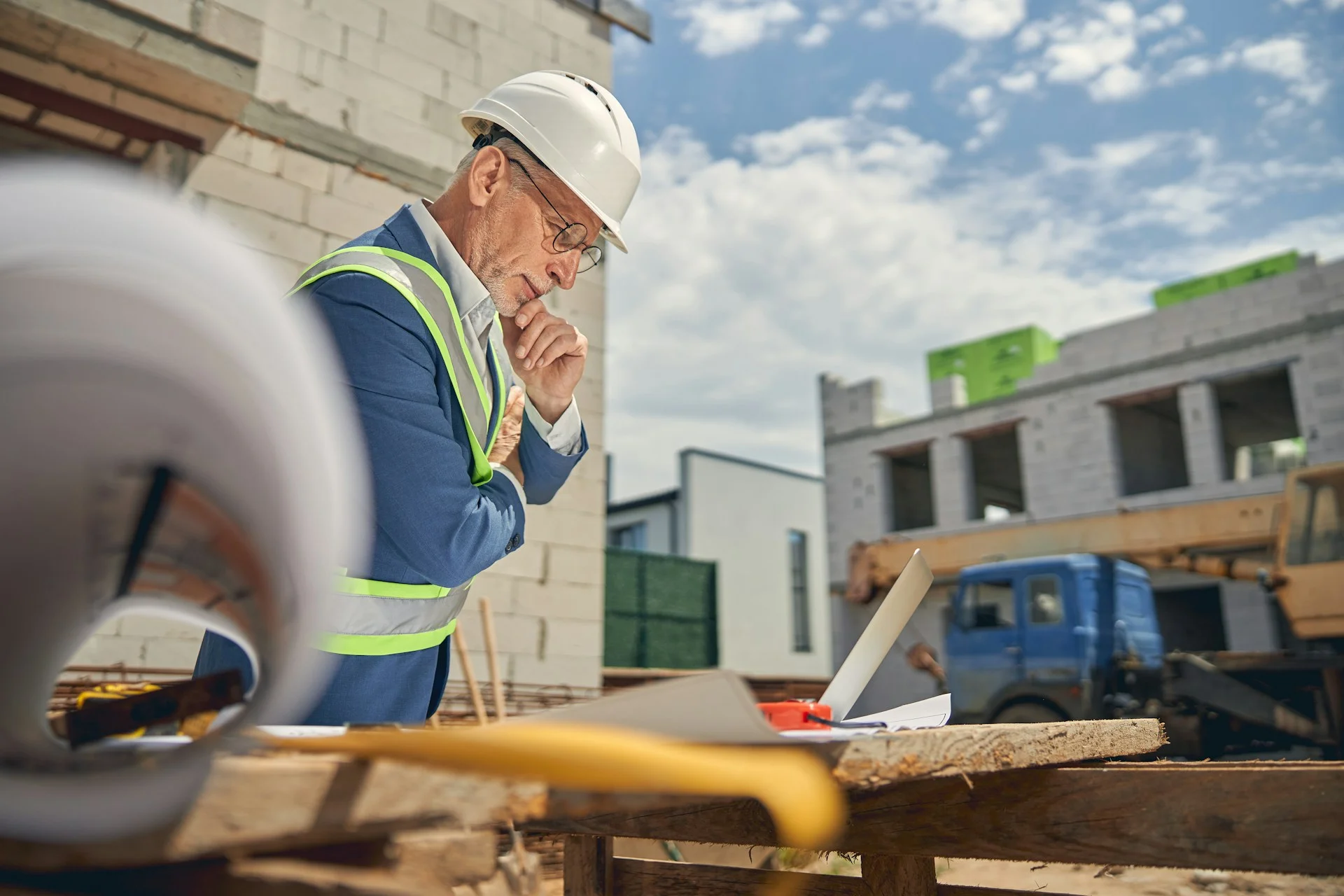
When you’re sourcing construction safety gear, don’t cut corners. Work with a personal protective equipment supplier that understands industry standards and provides products built for real-world conditions—not just catalog checkboxes.
At TPR Industrial, we help contractors, safety teams, DOT crews, utilities, and industrial companies source PPE and jobsite safety equipment that matches the work being performed.
Whether you’re equipping a single crew or managing a larger safety program, we can help you choose gear that performs under pressure.
Training and Culture: The Other Half of Safety
Even the best safety gear for construction can’t do its job if it’s not used correctly. Ongoing training, regular fit checks, and consistent enforcement are what make PPE effective. Supervisors should hold toolbox talks, review fitment issues, and make sure replacement gear is available before it becomes a liability.
Safety isn’t just policy—it’s culture. When workers feel supported and see management prioritizing PPE, compliance goes up and injuries go down.
The Future of Construction Worker Safety Gear
The next generation of construction worker safety gear is becoming smarter, lighter, more comfortable, and easier to wear all day. Modern innovations include:
- Type 2 safety helmets with improved retention and side-impact protection.
- Helmet-mounted lights and accessory systems.
- Cooling gear for hot climates.
- Improved high-visibility apparel and weather protection.
- Better glove materials for cut resistance, dexterity, and impact protection.
As technology advances, safety gear will continue to evolve, but the mission stays the same: protecting people first.
Conclusion
The right safety gear for construction can make all the difference between a close call and a serious accident. From Type 2 safety helmets and fall protection to high-visibility clothing, gloves, lighting, eye protection, hearing protection, respiratory gear, and temporary stair systems, each piece plays a specific role in keeping workers protected, visible, and confident.
As a leader in industrial safety, TPR Industrial provides trusted solutions built for real worksites—because we know safety isn’t theoretical. It’s personal. When every tool, helmet, glove, light, and piece of PPE performs as expected, everyone has a better chance of going home safe.
If you’re ready to upgrade your team’s gear or have questions about PPE compliance, reach out to TPR Industrial or contact us. Our safety specialists can help you find the right solution for your site’s unique challenges.
FAQs About Construction Safety Clothing
What is the most important piece of safety gear for construction?
There is no single piece of PPE that covers every hazard. The most important safety gear depends on the work being performed. Common essentials include head protection, eye protection, gloves, boots, high-visibility apparel, fall protection, and hearing protection.
How often should construction PPE be replaced?
Inspect PPE before every use and replace items immediately if damaged, worn, contaminated, expired, or no longer fitting properly. Helmets, harnesses, gloves, eyewear, and respirators should always be replaced according to manufacturer guidance and site safety requirements.
What materials are used in construction safety clothing?
Construction safety clothing may use fluorescent polyester, reflective tape, treated cotton, FR fabrics, aramid fibers, breathable mesh, waterproof laminates, and insulated materials depending on the hazard and environment.
Does OSHA require high-visibility gear?
High-visibility apparel is commonly required when workers are exposed to traffic, moving vehicles, heavy equipment, or low-visibility conditions. ANSI/ISEA 107 is the common standard used to classify high-visibility apparel.
FAQs About TPR Industrial
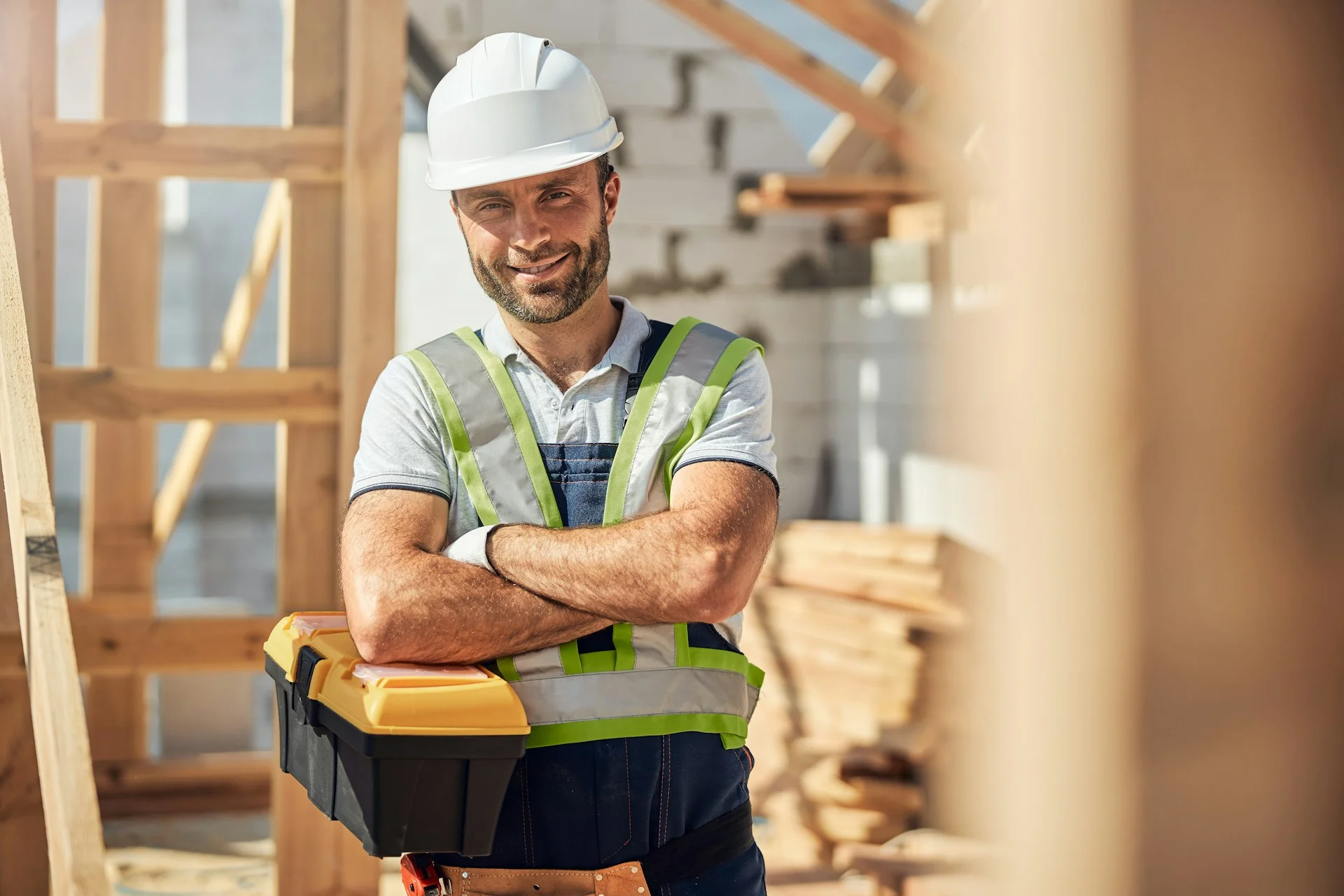
Who is TPR Industrial?
TPR Industrial is a fourth-generation safety equipment and industrial supply company providing PPE and construction safety products across North America.
What makes TPR Industrial different from other suppliers?
We don’t just sell PPE. We help teams choose safety gear that matches the hazard, the jobsite, and the people wearing it. Our focus is practical jobsite protection, fast support, and safety gear that gets worn.
Does TPR Industrial supply bulk PPE orders?
Yes. We handle everything from small team outfitting to large-scale PPE programs, including hard hats, Type 2 helmets, gloves, high-visibility apparel, fall protection, lighting, first aid, and more.
Where can I learn more about PPE standards?
You can explore our safety blog posts for safety insights, or connect with our team to discuss compliance and product options.
When it comes to keeping your team safe, having the right safety gear for construction isn’t optional—it’s essential. Construction sites are unpredictable environments where even small oversights can lead to serious injuries. The right gear doesn’t just meet compliance standards; it keeps your crew confident, focused, and protected while they get the job done.
If you’re setting up a new jobsite or reviewing your company’s PPE checklist, this guide covers essential construction safety gear, protective clothing, fall protection, head protection, lighting, gloves, eye protection, hearing protection, and more. Need help selecting or ordering your team’s gear? You can always contact us to talk through your site’s specific requirements.
Looking for construction safety gear?
Type 2 Safety Helmets & Accessories
Fall Protection Equipment
High-Visibility Apparel
Jobsite Lighting
SafeSmart Modular Stair Systems
Why Safety Gear for Construction Matters
Construction work naturally comes with risks: falling debris, loud equipment, flying dust, elevated work, moving vehicles, changing weather, and exposure to the elements. Proper safety equipment for construction helps reduce those risks and gives workers the protection they need to stay focused on the job.
The best PPE program starts with a hazard assessment. Once you understand the risks on your site, you can match each worker with the right gear for the task, environment, and exposure level.
The Core Components of Safety Gear for Construction
The right gear varies depending on your trade and site conditions, but these core items form the foundation of construction worker safety gear.
Head Protection: Hard Hats and Type 2 Safety Helmets
Nothing is more iconic—or more critical—on a jobsite than head protection. Whether it is falling debris, contact with overhead beams, slips, trips, falls, or equipment contact, the right hard hat or safety helmet can make a major difference.
Traditional hard hats are often designed mainly for top-of-head impacts. Modern Type 2 safety helmets are designed to help protect against impacts from the top, front, back, and sides.
If you’re not sure which style your crew needs, check out our detailed guide on Type I and Type II hard hats explained.
Shop Type 2 Safety Helmets & Accessories
Shop Hardknock Type 2 Helmets with Nuro Technology
Shop Securis Type 2 Helmets with Mips® Technology
Eye and Face Protection
Flying debris, dust, sparks, chemicals, and grinding hazards are part of the job, but they should not endanger your eyes. Safety glasses, goggles, face shields, and welding protection all play a role depending on the task.
High-quality protective gear for construction workers should offer impact resistance, comfort, anti-fog performance, and the right lens or shield style for the work being performed.
Hearing Protection
Construction sites can expose workers to damaging noise from saws, compressors, machinery, demolition tools, and heavy equipment. Earplugs and earmuffs help protect hearing while allowing workers to stay focused and productive.
Some modern hearing protection options also support communication, situational awareness, and helmet-mounted compatibility.
Hand Protection: Gloves That Work as Hard as You Do
Your hands handle tools, materials, fasteners, equipment, concrete, chemicals, and sharp edges all day, so they deserve protection that fits and performs.
Depending on the job, you may need gloves designed for:
- Cut and puncture resistance for sharp materials or wire work.
- Impact protection for heavy tools and machinery.
- Chemical resistance for solvents, concrete, or coatings.
- Grip and dexterity for handling tools and fasteners.
Choose gloves that balance flexibility and protection. Well-fitting hand protection helps reduce fatigue and keeps productivity high.
Respiratory Protection
Dust, fumes, silica, smoke, and airborne particulates can create short-term and long-term health risks. N95 respirators, disposable masks, half-mask respirators, cartridges, and filters may be needed depending on the exposure.
Good respiratory protection should fit properly, be easy to maintain, and match the hazard workers are facing.
Fall Protection Equipment
Falls remain one of the biggest hazards in construction. When crews work at height, they need the right combination of harnesses, anchors, lanyards, lifelines, rope grabs, self-retracting lifelines, and fall protection kits.
Fall protection should be selected based on the work surface, anchor point, fall clearance, rescue plan, and type of task being performed.
Shop Fall Protection Equipment
Shop Full Body Safety Harnesses
Shop Fall Protection Anchors
Foot Protection: Boots That Mean Business
The right boots do more than protect your toes. They provide traction, stability, and comfort for long days on uneven ground.
Look for features such as:
- Steel or composite toe protection.
- Slip-resistant soles.
- Electrical hazard ratings when needed.
- Waterproofing for outdoor sites.
- Comfort and support for long shifts.
A boot that fits poorly or lacks traction can create risk even when it technically meets the requirement.
High-Visibility and Body Protection
Visibility saves lives. Reflective vests, shirts, jackets, rainwear, and coveralls help workers stand out in low-light areas or near moving vehicles and equipment. High-visibility gear is especially important for road work, excavation, equipment zones, loading areas, and busy jobsites.
Construction safety clothing should be bright, breathable, durable, and appropriate for the weather and hazard exposure. Flame-resistant apparel, rain gear, cooling gear, and cold-weather gear may also be needed depending on the work environment.
Shop High-Visibility Apparel
Shop FR Apparel
Shop Heat Stress Protection
Shop Cold Weather Protection
Jobsite Lighting and Helmet Lights
Good lighting improves visibility, productivity, and safety. Construction crews often need temporary lighting, area lights, portable lights, headlamps, and helmet-mounted lights for low-light work, early starts, shutdowns, tunnels, utility work, and indoor projects.
Helmet lights are especially useful when workers need hands-free visibility while climbing, inspecting, working in tight spaces, or moving through dark areas.
Shop Jobsite Lighting
Shop Helmet Lights
Temporary Stairs, Access, and Jobsite Mobility
Construction safety gear is not limited to wearable PPE. Safe access equipment also plays a major role in reducing slips, trips, falls, and jobsite delays.
Temporary stair systems, crossover platforms, and modular access solutions help crews move safely across changing elevations, trenches, excavations, trailers, and work platforms.
TPR Industrial offers SafeSmart modular stair systems for rental and purchase, including AdjustaStairs, high-access options, crossovers, and jobsite access solutions.
Explore SafeSmart Modular Stair Systems
On-Site First Aid and Emergency Gear
Even with proper PPE, accidents can happen. Having the right safety equipment for construction also means being prepared for emergencies. Every jobsite should have properly stocked first aid supplies that match the size of the crew and the hazards on site.
Our guide on Construction Site First Aid Requirements breaks down what your kit should include, from burn dressings to trauma pads and antiseptic wipes.
Choosing the Right Supplier for Your PPE
When you’re sourcing construction safety gear, don’t cut corners. Work with a personal protective equipment supplier that understands industry standards and provides products built for real-world conditions—not just catalog checkboxes.
At TPR Industrial, we help contractors, safety teams, DOT crews, utilities, and industrial companies source PPE and jobsite safety equipment that matches the work being performed.
Whether you’re equipping a single crew or managing a larger safety program, we can help you choose gear that performs under pressure.
Training and Culture: The Other Half of Safety
Even the best safety gear for construction can’t do its job if it’s not used correctly. Ongoing training, regular fit checks, and consistent enforcement are what make PPE effective. Supervisors should hold toolbox talks, review fitment issues, and make sure replacement gear is available before it becomes a liability.
Safety isn’t just policy—it’s culture. When workers feel supported and see management prioritizing PPE, compliance goes up and injuries go down.
The Future of Construction Worker Safety Gear
The next generation of construction worker safety gear is becoming smarter, lighter, more comfortable, and easier to wear all day. Modern innovations include:
- Type 2 safety helmets with improved retention and side-impact protection.
- Helmet-mounted lights and accessory systems.
- Cooling gear for hot climates.
- Improved high-visibility apparel and weather protection.
- Better glove materials for cut resistance, dexterity, and impact protection.
As technology advances, safety gear will continue to evolve, but the mission stays the same: protecting people first.
Conclusion
The right safety gear for construction can make all the difference between a close call and a serious accident. From Type 2 safety helmets and fall protection to high-visibility clothing, gloves, lighting, eye protection, hearing protection, respiratory gear, and temporary stair systems, each piece plays a specific role in keeping workers protected, visible, and confident.
As a leader in industrial safety, TPR Industrial provides trusted solutions built for real worksites—because we know safety isn’t theoretical. It’s personal. When every tool, helmet, glove, light, and piece of PPE performs as expected, everyone has a better chance of going home safe.
If you’re ready to upgrade your team’s gear or have questions about PPE compliance, reach out to TPR Industrial or contact us. Our safety specialists can help you find the right solution for your site’s unique challenges.
FAQs About Construction Safety Clothing
What is the most important piece of safety gear for construction?
There is no single piece of PPE that covers every hazard. The most important safety gear depends on the work being performed. Common essentials include head protection, eye protection, gloves, boots, high-visibility apparel, fall protection, and hearing protection.
How often should construction PPE be replaced?
Inspect PPE before every use and replace items immediately if damaged, worn, contaminated, expired, or no longer fitting properly. Helmets, harnesses, gloves, eyewear, and respirators should always be replaced according to manufacturer guidance and site safety requirements.
What materials are used in construction safety clothing?
Construction safety clothing may use fluorescent polyester, reflective tape, treated cotton, FR fabrics, aramid fibers, breathable mesh, waterproof laminates, and insulated materials depending on the hazard and environment.
Does OSHA require high-visibility gear?
High-visibility apparel is commonly required when workers are exposed to traffic, moving vehicles, heavy equipment, or low-visibility conditions. ANSI/ISEA 107 is the common standard used to classify high-visibility apparel.
FAQs About TPR Industrial
Who is TPR Industrial?
TPR Industrial is a fourth-generation safety equipment and industrial supply company providing PPE and construction safety products across North America.
What makes TPR Industrial different from other suppliers?
We don’t just sell PPE. We help teams choose safety gear that matches the hazard, the jobsite, and the people wearing it. Our focus is practical jobsite protection, fast support, and safety gear that gets worn.
Does TPR Industrial supply bulk PPE orders?
Yes. We handle everything from small team outfitting to large-scale PPE programs, including hard hats, Type 2 helmets, gloves, high-visibility apparel, fall protection, lighting, first aid, and more.
Where can I learn more about PPE standards?
You can explore our safety blog posts for safety insights, or connect with our team to discuss compliance and product options.
