 English
 Español
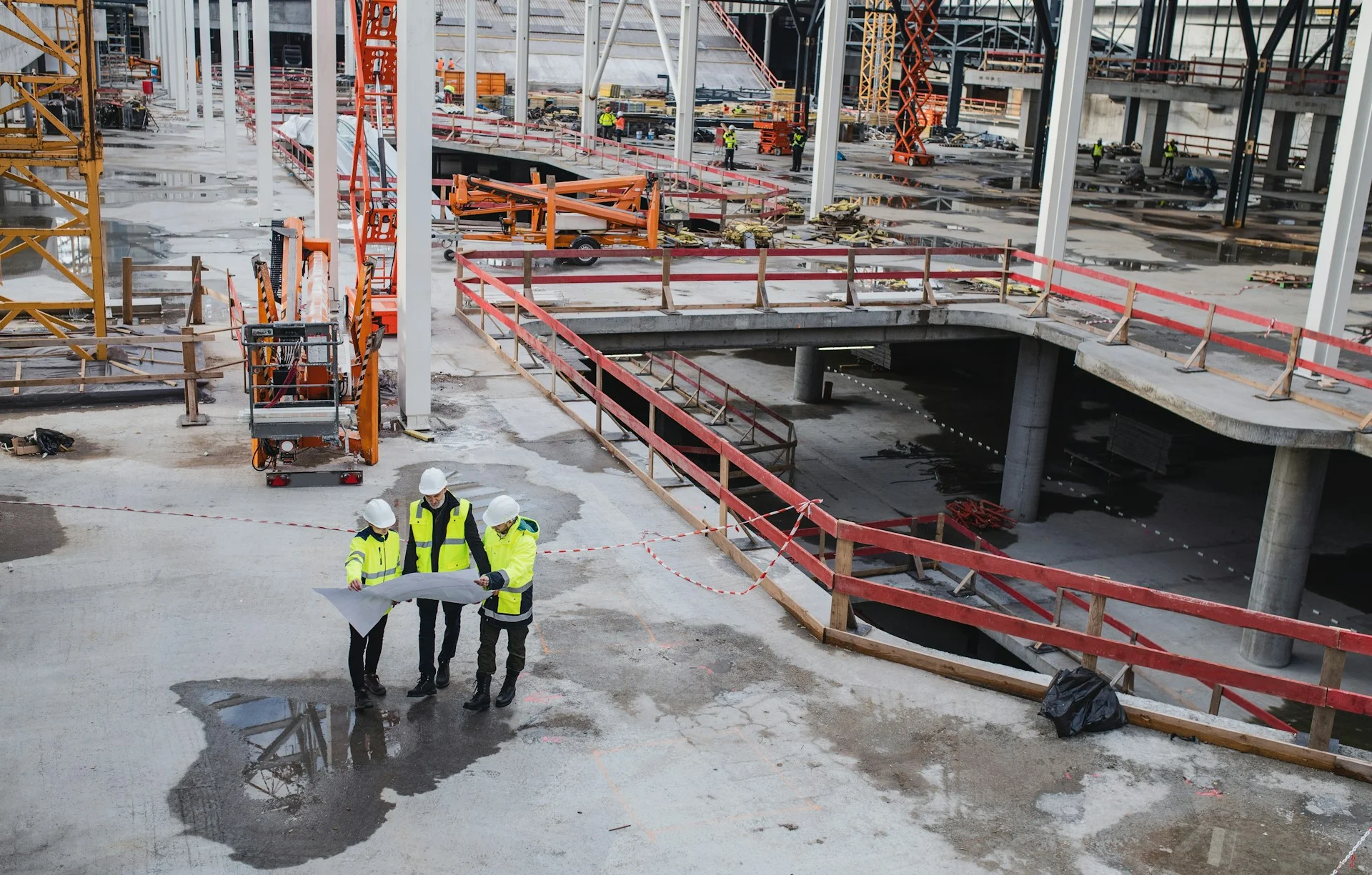
According to OSHA, falls remain one of the leading hazards in construction. When crews are working around changing elevations, trenches, slabs, decks, rooftops, or temporary work platforms, the right stair system can make a major difference in safety, movement, and productivity.
Temporary stairs for construction help crews move more naturally than ladders, especially when workers are carrying tools, materials, or equipment. At TPR Industrial, we help contractors choose SafeSmart modular stair systems for short-term rentals, long-term projects, and jobsite access needs.
How to Choose the Best Temporary Stairs for Construction Site Needs
The best temporary stair system depends on your jobsite layout, vertical reach height, available space, and how often the stairs will be used. Before selecting a system, start by looking at the access point, the number of workers using it, and whether the site conditions will change during the project.
Match the Stairs to Your Jobsite
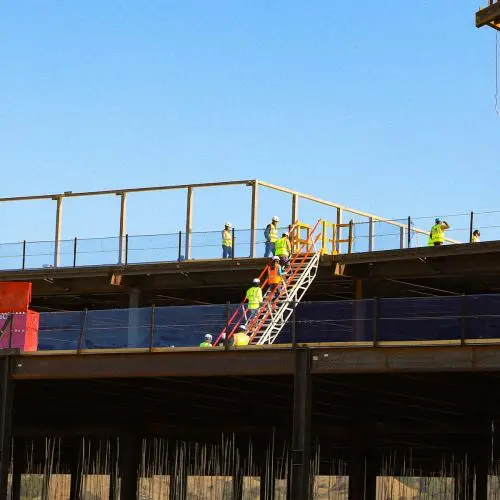
If the site changes often, portable and adjustable stairs are usually the better option. They can be repositioned as the project evolves and help reduce the need for job-built access points.
For fixed areas or longer-term access, a more permanent modular stair setup may make sense. Either way, measuring the vertical rise from the lower walking surface to the upper landing point is one of the most important first steps.
Need help estimating the right model? View the AdjustaStairs Size Chart.
Consider Flexibility and Adjustability
Construction projects rarely stay the same from start to finish. Excavation depths change, slabs are poured, decks are added, and access points move as the job progresses.
That is why adjustable stairs like SafeSmart AdjustaStairs™ can be a smart option. They are designed to adapt to different elevations, helping contractors avoid rebuilding temporary access every time the jobsite changes.
Focus on Safety and Compliance
Temporary stairs should be selected with safety and compliance in mind. Important features include stable footing, handrails, slip-resistant treads, proper load capacity, and secure installation.
Crews should also consider OSHA Stair Standards – 1910.25 when planning temporary stair access.
Think About Installation Speed
Time matters on active jobsites. Temporary stair systems that are fast to set up can help reduce delays and keep crews moving.
Modular stair systems are especially useful when access needs to be installed quickly, moved to another area, or reused across multiple phases of a project.
Why SafeSmart Modular Stairs Are a Strong Option
SafeSmart modular stair systems are built for real jobsite conditions where access needs can change quickly. They are commonly used for construction sites, excavation access, rooftop work, industrial maintenance, mezzanine access, and temporary elevation changes.
SafeSmart stair systems can help crews:
- Create safer access routes than ladders in many applications
- Improve movement when carrying tools or materials
- Adapt to changing elevations
- Reduce reliance on job-built stairs
- Support short-term rental or long-term project needs
- Improve jobsite efficiency and worker flow
TPR Industrial supplies SafeSmart modular stair systems for both rental and purchase, helping contractors choose the right setup based on the jobsite layout and required access height.
Choosing the Right AdjustaStairs Model
For SafeSmart AdjustaStairs™, model selection starts with your required vertical reach height. This is the height from the lower walking surface to the upper landing or access point.
Before requesting a quote, it helps to know:
- Vertical reach height
- Available run or footprint
- Desired stair width
- Jobsite surface conditions
- Temporary or long-term use
- Indoor or outdoor application
Use our AdjustaStairs size chart to estimate the recommended model based on vertical reach height.
Estimate the AdjustaStairs Model You Need
Get a Fast, Safe, Efficient Setup with TPR Industrial
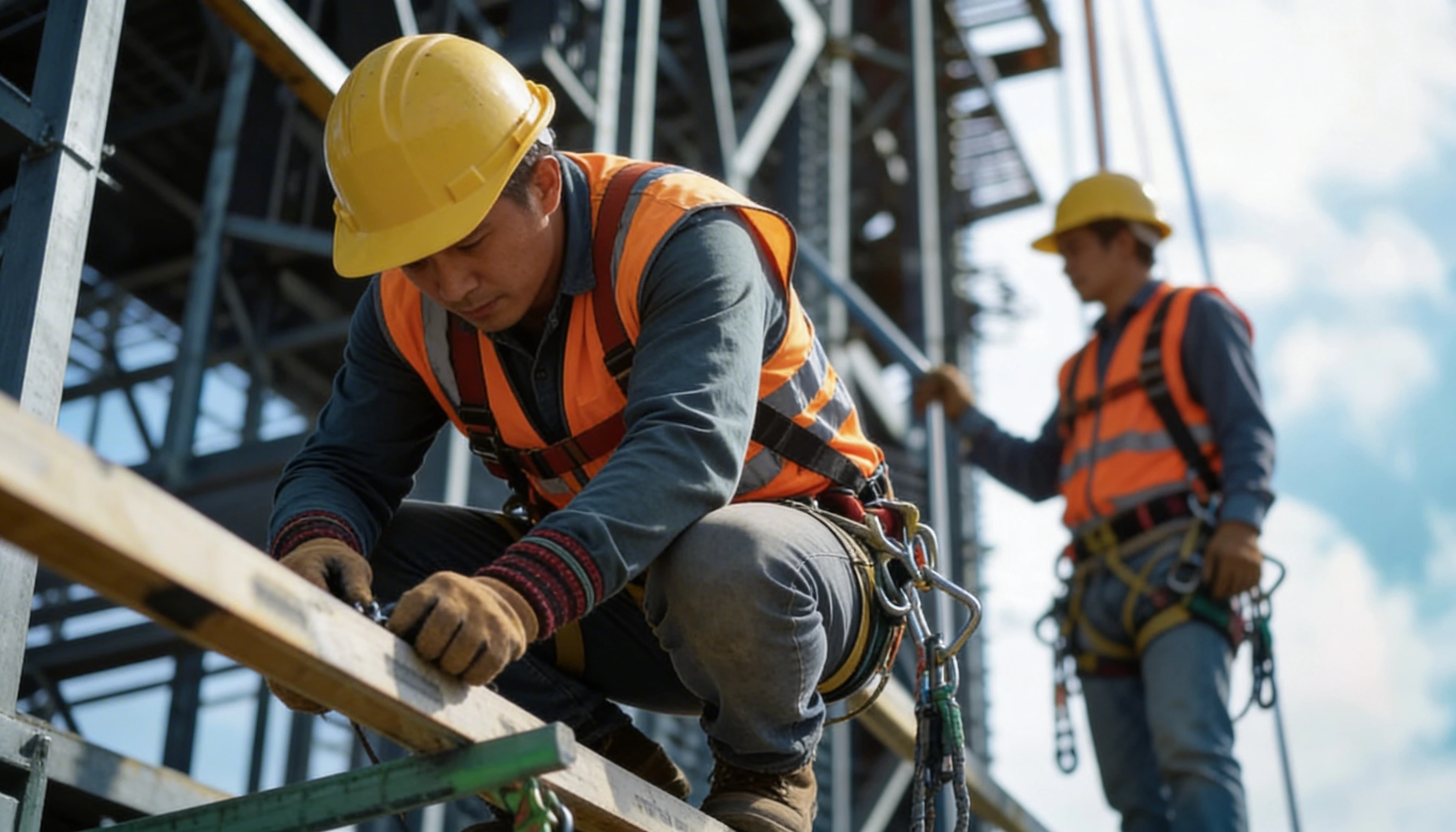
At TPR Industrial, we understand what contractors deal with on active jobsites. Access needs can change quickly, and crews need stair systems that are practical, durable, and easy to configure.
As a fourth-generation safety equipment supplier in Milwaukie, we help teams:
- Choose systems that match the site layout
- Prioritize safety without slowing down work
- Select rental or purchase options based on project length
- Configure stair access for changing elevations
- Plan temporary access that supports productivity
If you are planning your next construction access setup, SafeSmart modular stair systems are worth considering. TPR Industrial can help you estimate the right configuration and provide guidance on rental or purchase options.
Shop SafeSmart Modular Stair Systems
Make a Smart Decision for Your Construction Site Setup
Choosing the right temporary stair system comes down to safety, speed, and fit. The best setup should make daily work easier, reduce risk, and keep the project moving without unnecessary delays.
Temporary stairs are especially valuable when crews need stable access across changing elevations, trenches, slabs, rooftops, decks, or temporary work platforms.
For help choosing the right system, contact TPR Industrial with your vertical reach height, jobsite conditions, and project timeline.
FAQs About Temporary Stairs for Construction
What are temporary stairs used for on construction sites?
Temporary stairs are used to provide safer access between different elevations on active jobsites. Common uses include trench access, slab access, deck access, rooftop access, mezzanine access, and temporary work platform access.
How do I know what size AdjustaStairs model I need?
Start by measuring the vertical reach height from the lower walking surface to the upper landing or access point. Then use the AdjustaStairs size chart to estimate the recommended model.
View the AdjustaStairs Size Chart
Are temporary stairs better than ladders?
In many jobsite applications, temporary stairs can provide more stable access than ladders, especially when workers are carrying tools or materials. The right choice depends on the work area, access height, traffic level, and site conditions.
What safety features should temporary stairs have?
Important safety features include stable footing, handrails, slip-resistant treads, proper load capacity, secure anchoring, and a configuration that matches the jobsite layout.
Why choose TPR Industrial for temporary stairs?
TPR Industrial supplies SafeSmart modular stair systems for both rental and purchase. We help contractors choose the right system based on vertical reach height, jobsite conditions, project length, and access requirements.
According to OSHA, falls remain one of the leading hazards in construction. When crews are working around changing elevations, trenches, slabs, decks, rooftops, or temporary work platforms, the right stair system can make a major difference in safety, movement, and productivity.
Temporary stairs for construction help crews move more naturally than ladders, especially when workers are carrying tools, materials, or equipment. At TPR Industrial, we help contractors choose SafeSmart modular stair systems for short-term rentals, long-term projects, and jobsite access needs.
How to Choose the Best Temporary Stairs for Construction Site Needs
The best temporary stair system depends on your jobsite layout, vertical reach height, available space, and how often the stairs will be used. Before selecting a system, start by looking at the access point, the number of workers using it, and whether the site conditions will change during the project.
Match the Stairs to Your Jobsite
If the site changes often, portable and adjustable stairs are usually the better option. They can be repositioned as the project evolves and help reduce the need for job-built access points.
For fixed areas or longer-term access, a more permanent modular stair setup may make sense. Either way, measuring the vertical rise from the lower walking surface to the upper landing point is one of the most important first steps.
Need help estimating the right model? View the AdjustaStairs Size Chart.
Consider Flexibility and Adjustability
Construction projects rarely stay the same from start to finish. Excavation depths change, slabs are poured, decks are added, and access points move as the job progresses.
That is why adjustable stairs like SafeSmart AdjustaStairs™ can be a smart option. They are designed to adapt to different elevations, helping contractors avoid rebuilding temporary access every time the jobsite changes.
Focus on Safety and Compliance
Temporary stairs should be selected with safety and compliance in mind. Important features include stable footing, handrails, slip-resistant treads, proper load capacity, and secure installation.
Crews should also consider OSHA Stair Standards – 1910.25 when planning temporary stair access.
Think About Installation Speed
Time matters on active jobsites. Temporary stair systems that are fast to set up can help reduce delays and keep crews moving.
Modular stair systems are especially useful when access needs to be installed quickly, moved to another area, or reused across multiple phases of a project.
Why SafeSmart Modular Stairs Are a Strong Option
SafeSmart modular stair systems are built for real jobsite conditions where access needs can change quickly. They are commonly used for construction sites, excavation access, rooftop work, industrial maintenance, mezzanine access, and temporary elevation changes.
SafeSmart stair systems can help crews:
- Create safer access routes than ladders in many applications
- Improve movement when carrying tools or materials
- Adapt to changing elevations
- Reduce reliance on job-built stairs
- Support short-term rental or long-term project needs
- Improve jobsite efficiency and worker flow
TPR Industrial supplies SafeSmart modular stair systems for both rental and purchase, helping contractors choose the right setup based on the jobsite layout and required access height.
Choosing the Right AdjustaStairs Model
For SafeSmart AdjustaStairs™, model selection starts with your required vertical reach height. This is the height from the lower walking surface to the upper landing or access point.
Before requesting a quote, it helps to know:
- Vertical reach height
- Available run or footprint
- Desired stair width
- Jobsite surface conditions
- Temporary or long-term use
- Indoor or outdoor application
Use our AdjustaStairs size chart to estimate the recommended model based on vertical reach height.
Estimate the AdjustaStairs Model You Need
Get a Fast, Safe, Efficient Setup with TPR Industrial
At TPR Industrial, we understand what contractors deal with on active jobsites. Access needs can change quickly, and crews need stair systems that are practical, durable, and easy to configure.
As a fourth-generation safety equipment supplier in Milwaukie, we help teams:
- Choose systems that match the site layout
- Prioritize safety without slowing down work
- Select rental or purchase options based on project length
- Configure stair access for changing elevations
- Plan temporary access that supports productivity
If you are planning your next construction access setup, SafeSmart modular stair systems are worth considering. TPR Industrial can help you estimate the right configuration and provide guidance on rental or purchase options.
Shop SafeSmart Modular Stair Systems
Make a Smart Decision for Your Construction Site Setup
Choosing the right temporary stair system comes down to safety, speed, and fit. The best setup should make daily work easier, reduce risk, and keep the project moving without unnecessary delays.
Temporary stairs are especially valuable when crews need stable access across changing elevations, trenches, slabs, rooftops, decks, or temporary work platforms.
For help choosing the right system, contact TPR Industrial with your vertical reach height, jobsite conditions, and project timeline.
FAQs About Temporary Stairs for Construction
What are temporary stairs used for on construction sites?
Temporary stairs are used to provide safer access between different elevations on active jobsites. Common uses include trench access, slab access, deck access, rooftop access, mezzanine access, and temporary work platform access.
How do I know what size AdjustaStairs model I need?
Start by measuring the vertical reach height from the lower walking surface to the upper landing or access point. Then use the AdjustaStairs size chart to estimate the recommended model.
View the AdjustaStairs Size Chart
Are temporary stairs better than ladders?
In many jobsite applications, temporary stairs can provide more stable access than ladders, especially when workers are carrying tools or materials. The right choice depends on the work area, access height, traffic level, and site conditions.
What safety features should temporary stairs have?
Important safety features include stable footing, handrails, slip-resistant treads, proper load capacity, secure anchoring, and a configuration that matches the jobsite layout.
Why choose TPR Industrial for temporary stairs?
TPR Industrial supplies SafeSmart modular stair systems for both rental and purchase. We help contractors choose the right system based on vertical reach height, jobsite conditions, project length, and access requirements.
