 English
 Español
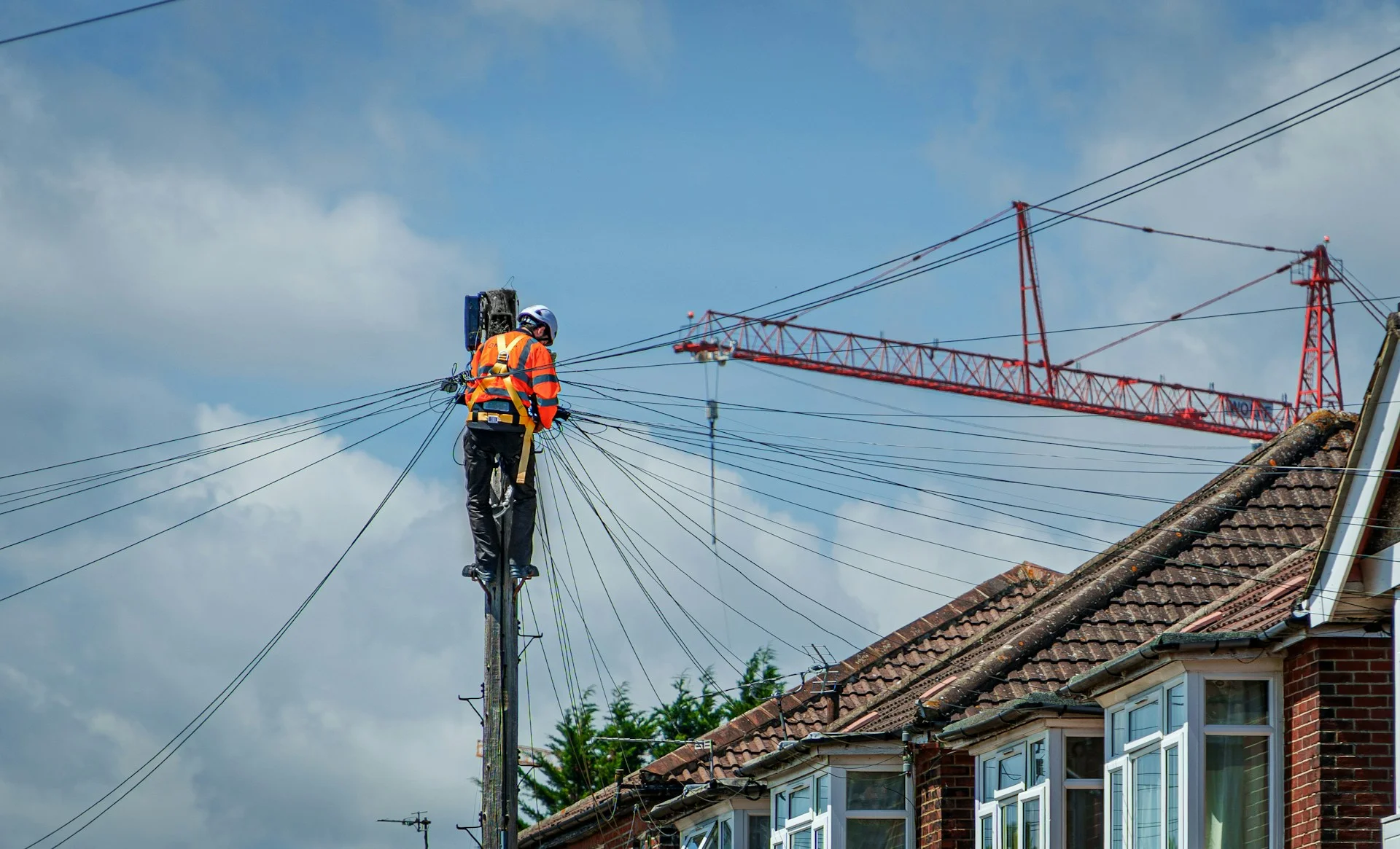
Falls from height remain one of the leading causes of serious workplace injuries across construction, industrial, and maintenance environments. That reality is why a properly designed height safety access system is no longer a “nice to have,” it’s a baseline requirement for safe operations and regulatory compliance. A height safety access system doesn’t just protect workers in the moment; it reduces long-term risk, improves site efficiency, and helps businesses stand up to inspections and audits.
This article explains what a height safety access system is, how it differs from other fall protection approaches, and how to choose the right solution for your site.
What Is a Height Safety Access System?
A height safety access system is an engineered solution that allows workers to safely reach elevated areas such as roofs, platforms, mezzanines, or plant equipment. The focus is on controlled access, guiding how workers enter, move through, and exit elevated spaces while minimising fall risk.
Unlike temporary measures, height safety access systems are typically fixed or semi-permanent and designed for repeated use. They are built around predictable movement, load requirements, and real working conditions, not ideal scenarios.
Why Height Safety Access Systems Matter for Safety and Compliance
A height safety access system plays a critical role in meeting working at height safety obligations. Employers and building owners are responsible for ensuring that access methods do not expose workers to unnecessary risk, even before work begins.
From a compliance standpoint, properly designed access systems support:
- Safer working at height practices
- Reduced reliance on behavioural controls
- Clear inspection and maintenance pathways
- Lower liability exposure
Many incidents occur not during the task itself, but while workers are accessing or exiting elevated areas. That’s the gap access systems are designed to close.
Common Types of Height Safety Access Systems
Fixed Ladder Systems
Fixed ladder systems provide consistent, secure access to roofs and elevated plant areas. Because they are permanently installed, they eliminate many of the risks associated with portable ladders, such as incorrect setup or movement during use.
They are commonly used where access is required on a regular basis and where reliability matters more than flexibility.
Guardrails and Walkways
Guardrails and walkways fall under fall prevention systems, meaning they are designed to stop a fall from occurring at all. These systems create designated paths and working zones on rooftops and elevated surfaces.
Their biggest advantage is simplicity: when installed correctly, they often reduce or remove the need for harnesses or other personal protective equipment.
Roof Access Systems
Roof access systems combine ladders, hatches, platforms, and edge protection into a single, continuous access route. A well-designed roof access system considers the entire journey, not just how someone gets onto the roof, but how they move once they are there.
Poorly planned access points are one of the most common safety weaknesses identified during audits.
How Height Safety Access Systems Work With Fall Protection Systems
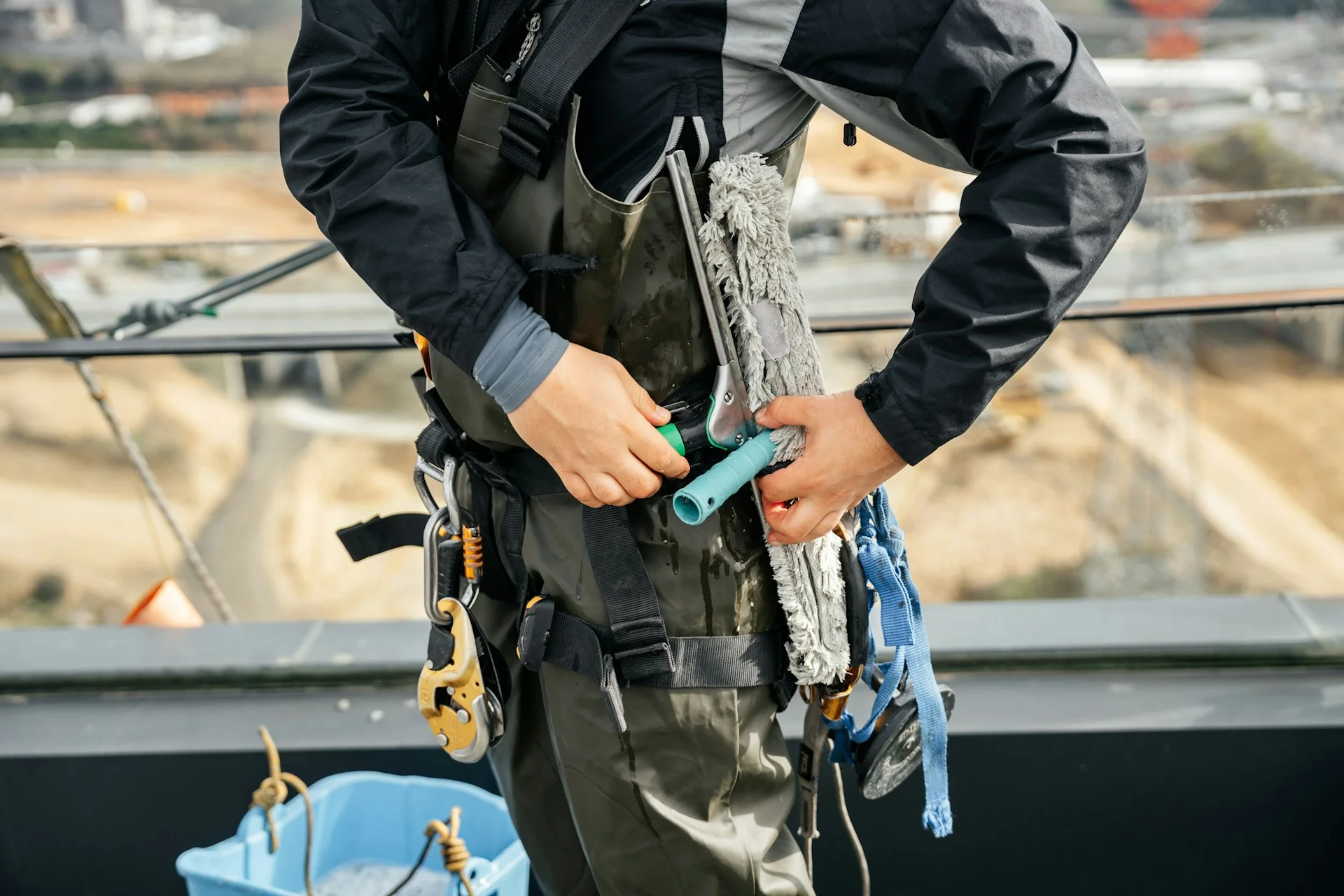
A height safety access system is not the same thing as a fall arrest system, but the two often work together. Access systems manage how workers move. Fall protection systems manage what happens if something goes wrong.
Depending on the environment, this may include anchors, lifelines, self-retracting devices, or rescue provisions. The goal is not to rely on one system alone, but to layer controls so risk is reduced as early as possible.
This approach aligns with best practice: prevention first, arrest only where prevention isn’t feasible.
Choosing the Right Height Safety Access System
Frequency of Access
Infrequent access may justify simpler systems, while regular inspections or maintenance usually require permanent solutions. Designing for frequency helps prevent shortcuts that lead to incidents.
Type of Work Being Performed
Inspection-only access carries different risks than mechanical or maintenance work. The more time workers spend at height, the more robust the access system needs to be.
Site Conditions and Environment
Roof pitch, surface materials, weather exposure, and surrounding structures all affect system design. A solution that works on one building may be completely unsuitable on another.
This is why experienced providers avoid one-size-fits-all recommendations.
Inspection, Maintenance, and Ongoing Compliance
Even the best height safety access system can become unsafe if it isn’t inspected and maintained. Environmental exposure, building modifications, and wear over time all affect system integrity.
Regular inspection ensures that access systems and supporting fall protection systems continue to perform as intended, not just on installation day, but years later.
Height Safety Access Systems and Practical Supply Support
A reliable access system also depends on having compatible safety equipment available when needed. Companies such as TPR Industrial support height safety access systems by supplying core fall protection components used across industrial and maintenance environments.
This includes equipment that supports controlled access, safe positioning, and emergency response — all of which play a role in a complete height safety strategy.
Final Thoughts on Height Safety Access System Design
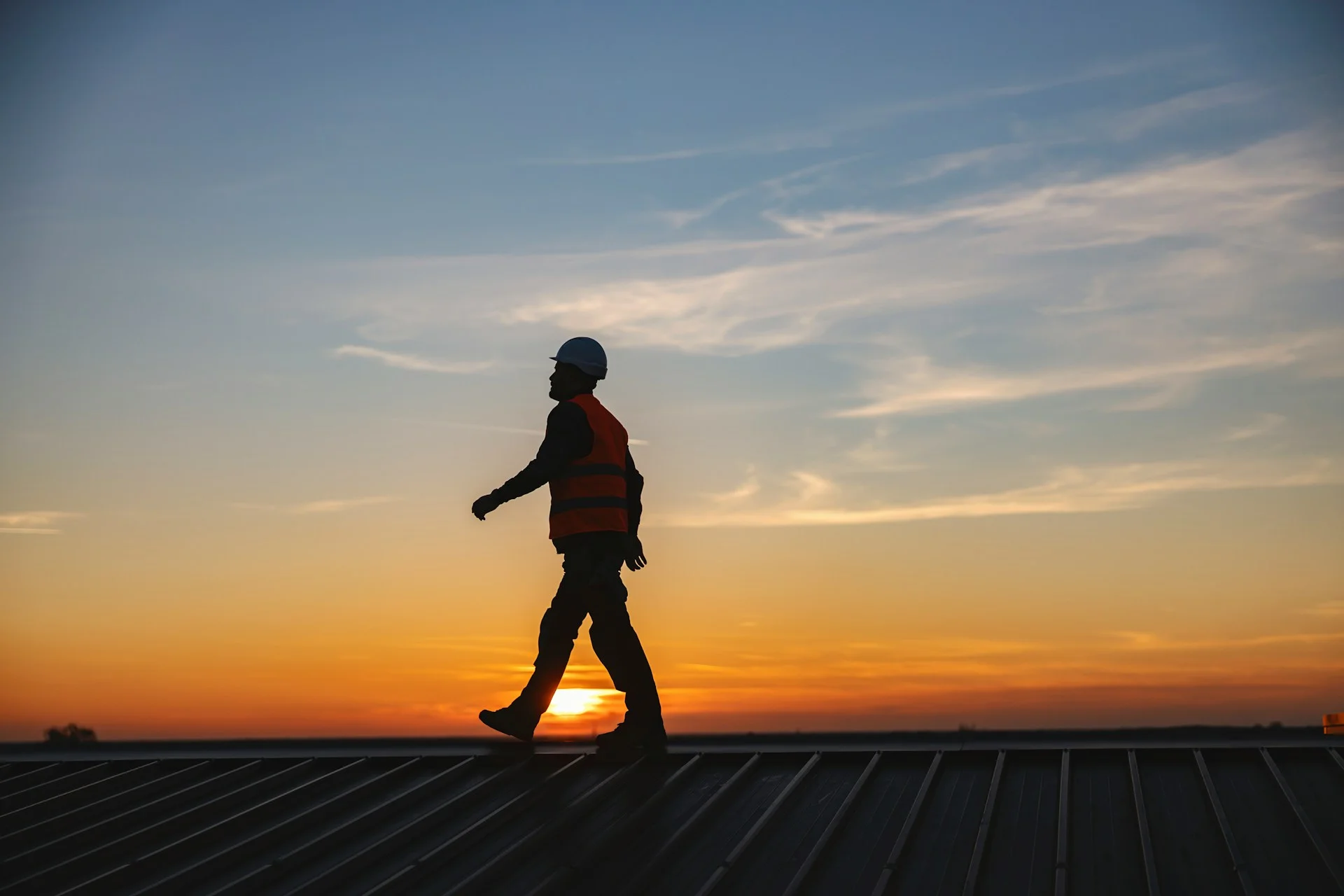
In conclusion, a well-designed height safety access system is one of the most effective ways to reduce risk when working at height. When paired with appropriate fall protection systems, it creates a safer, more predictable environment for workers and simplifies compliance over the long term.
If your site relies on temporary ladders, unclear access routes, or outdated solutions, it’s worth reassessing your approach. Working with experienced suppliers like TPR Industrial helps ensure your access systems are practical, compliant, and built for real-world use.
FAQs About Height Safety Access System
What is a height safety access system used for?
A height safety access system provides controlled and repeatable access to elevated areas while reducing the risk of falls during entry, movement, and exit.
Is a height safety access system the same as fall protection?
No. Access systems manage how workers reach and move through elevated areas, while fall protection systems prevent or arrest falls during work.
Do height safety access systems need inspections?
Yes. Regular inspections are essential to ensure ongoing compliance and safe performance.
FAQs About TPR Industrial
What role does TPR Industrial play in height safety?
TPR Industrial supplies industrial-grade safety equipment that supports height safety access systems and fall protection strategies.
Does TPR Industrial focus on industrial environments?
Yes. TPR Industrial supports industrial, commercial, and maintenance-focused sites where working at height is part of daily operations.
Falls from height remain one of the leading causes of serious workplace injuries across construction, industrial, and maintenance environments. That reality is why a properly designed height safety access system is no longer a “nice to have,” it’s a baseline requirement for safe operations and regulatory compliance. A height safety access system doesn’t just protect workers in the moment; it reduces long-term risk, improves site efficiency, and helps businesses stand up to inspections and audits.
This article explains what a height safety access system is, how it differs from other fall protection approaches, and how to choose the right solution for your site.
What Is a Height Safety Access System?
A height safety access system is an engineered solution that allows workers to safely reach elevated areas such as roofs, platforms, mezzanines, or plant equipment. The focus is on controlled access, guiding how workers enter, move through, and exit elevated spaces while minimising fall risk.
Unlike temporary measures, height safety access systems are typically fixed or semi-permanent and designed for repeated use. They are built around predictable movement, load requirements, and real working conditions, not ideal scenarios.
Why Height Safety Access Systems Matter for Safety and Compliance
A height safety access system plays a critical role in meeting working at height safety obligations. Employers and building owners are responsible for ensuring that access methods do not expose workers to unnecessary risk, even before work begins.
From a compliance standpoint, properly designed access systems support:
- Safer working at height practices
- Reduced reliance on behavioural controls
- Clear inspection and maintenance pathways
- Lower liability exposure
Many incidents occur not during the task itself, but while workers are accessing or exiting elevated areas. That’s the gap access systems are designed to close.
Common Types of Height Safety Access Systems
Fixed Ladder Systems
Fixed ladder systems provide consistent, secure access to roofs and elevated plant areas. Because they are permanently installed, they eliminate many of the risks associated with portable ladders, such as incorrect setup or movement during use.
They are commonly used where access is required on a regular basis and where reliability matters more than flexibility.
Guardrails and Walkways
Guardrails and walkways fall under fall prevention systems, meaning they are designed to stop a fall from occurring at all. These systems create designated paths and working zones on rooftops and elevated surfaces.
Their biggest advantage is simplicity: when installed correctly, they often reduce or remove the need for harnesses or other personal protective equipment.
Roof Access Systems
Roof access systems combine ladders, hatches, platforms, and edge protection into a single, continuous access route. A well-designed roof access system considers the entire journey, not just how someone gets onto the roof, but how they move once they are there.
Poorly planned access points are one of the most common safety weaknesses identified during audits.
How Height Safety Access Systems Work With Fall Protection Systems
A height safety access system is not the same thing as a fall arrest system, but the two often work together. Access systems manage how workers move. Fall protection systems manage what happens if something goes wrong.
Depending on the environment, this may include anchors, lifelines, self-retracting devices, or rescue provisions. The goal is not to rely on one system alone, but to layer controls so risk is reduced as early as possible.
This approach aligns with best practice: prevention first, arrest only where prevention isn’t feasible.
Choosing the Right Height Safety Access System
Frequency of Access
Infrequent access may justify simpler systems, while regular inspections or maintenance usually require permanent solutions. Designing for frequency helps prevent shortcuts that lead to incidents.
Type of Work Being Performed
Inspection-only access carries different risks than mechanical or maintenance work. The more time workers spend at height, the more robust the access system needs to be.
Site Conditions and Environment
Roof pitch, surface materials, weather exposure, and surrounding structures all affect system design. A solution that works on one building may be completely unsuitable on another.
This is why experienced providers avoid one-size-fits-all recommendations.
Inspection, Maintenance, and Ongoing Compliance
Even the best height safety access system can become unsafe if it isn’t inspected and maintained. Environmental exposure, building modifications, and wear over time all affect system integrity.
Regular inspection ensures that access systems and supporting fall protection systems continue to perform as intended, not just on installation day, but years later.
Height Safety Access Systems and Practical Supply Support
A reliable access system also depends on having compatible safety equipment available when needed. Companies such as TPR Industrial support height safety access systems by supplying core fall protection components used across industrial and maintenance environments.
This includes equipment that supports controlled access, safe positioning, and emergency response — all of which play a role in a complete height safety strategy.
Final Thoughts on Height Safety Access System Design
In conclusion, a well-designed height safety access system is one of the most effective ways to reduce risk when working at height. When paired with appropriate fall protection systems, it creates a safer, more predictable environment for workers and simplifies compliance over the long term.
If your site relies on temporary ladders, unclear access routes, or outdated solutions, it’s worth reassessing your approach. Working with experienced suppliers like TPR Industrial helps ensure your access systems are practical, compliant, and built for real-world use.
FAQs About Height Safety Access System
What is a height safety access system used for?
A height safety access system provides controlled and repeatable access to elevated areas while reducing the risk of falls during entry, movement, and exit.
Is a height safety access system the same as fall protection?
No. Access systems manage how workers reach and move through elevated areas, while fall protection systems prevent or arrest falls during work.
Do height safety access systems need inspections?
Yes. Regular inspections are essential to ensure ongoing compliance and safe performance.
FAQs About TPR Industrial
What role does TPR Industrial play in height safety?
TPR Industrial supplies industrial-grade safety equipment that supports height safety access systems and fall protection strategies.
Does TPR Industrial focus on industrial environments?
Yes. TPR Industrial supports industrial, commercial, and maintenance-focused sites where working at height is part of daily operations.
