 English
 Español
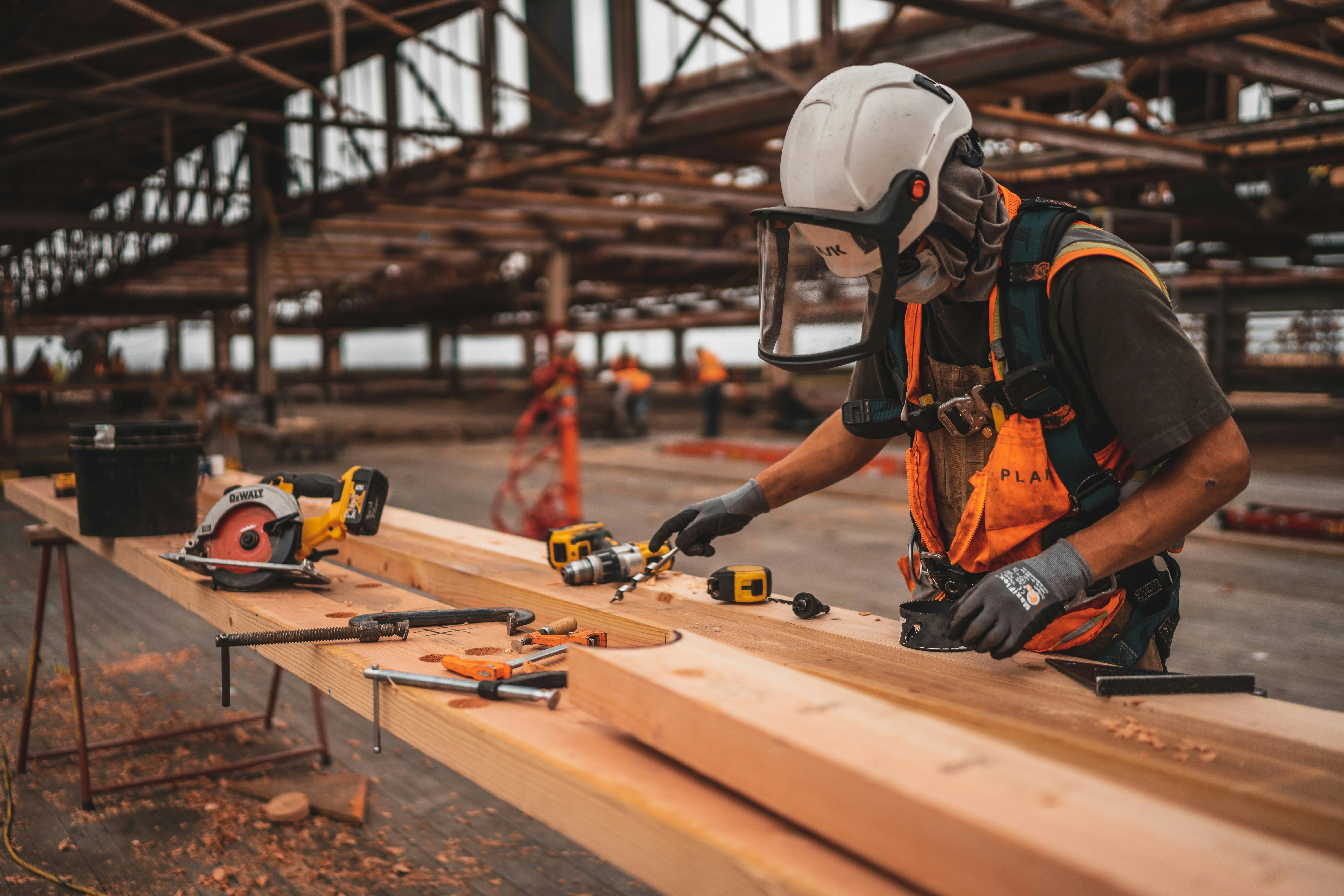
Head protection only works when it is worn exactly as designed. It sounds simple, but how to wear a hard hat correctly depends on proper suspension assembly and stable positioning to maintain the internal clearance that allows the shell to absorb impact energy. Industrial head protection performance criteria are defined under the ANSI ISEA Z89.1, which establishes how helmets must respond to impact, penetration, and electrical exposure.
On active construction sites, any improper wear reduces the safety margin engineered into the equipment. Fit and condition directly influence how a helmet performs under real hazard exposure. Prioritizing these fundamentals is the best way to prevent avoidable injuries and maintain high safety standards across the board.
Before You Put It On, How the Hard Hat System Works
A hard hat is a protective system composed of a rigid outer shell and an internal suspension assembly. The shell deflects impact while the suspension creates controlled spacing between the head and the shell so energy can dissipate before reaching the skull.
That protection changes depending on classification:
- Type I helmets: Protect primarily from top impact.
- Type II helmets: Provide additional lateral protection.
Understanding how to wear a hard hat is essential, as improper positioning can defeat the protection the classification was designed to offer. The engineered space between the shell and the suspension system must be preserved exactly as intended to ensure the helmet functions correctly.
If this clearance is compressed or altered, impact energy will transfer directly to the head instead of being absorbed by the equipment. Maintaining this balance is a key focus in the Hard Hat Classification Guide, as performance depends just as much on geometry as it does on material strength.
Assemble and Adjust the Suspension Correctly
Improper assembly is a frequent field issue. To safely wear a hard hat, you must ensure that the suspension tabs are fully seated in the shell. This allows the headband to rest evenly around the head, providing the maximum stability needed to maintain protection during an impact.
Key Suspension Requirements
- Suspension keys must be fully clicked into the shell slots.
- The adjustment system should create a fit that does not shift during bending.
- The shell and suspension must work as a single unit to distribute forces.
A helmet that tilts or rotates under normal activity is not positioned correctly and may not distribute impact forces as intended. If the suspension is misaligned or partially disengaged, the shell cannot perform to its tested standard.
Achieving Proper Fit in Real Jobsite Conditions
Establishing the standard for how a hard hat should fit ensures that workers avoid the risks of both over-tightening and loose wear. The helmet must sit level on the head with the brim forward unless the shell is specifically marked for reverse configuration.
The headband rests just above the eyebrows, and the suspension must maintain adequate clearance between the shell and scalp. A construction worker who does not know how to wear a hard hat that shifts backward, sits too high, or moves laterally during normal motion compromises impact absorption.
Secure does not mean tight. The helmet should remain stable without distorting suspension geometry or creating pressure points that affect long-shift wearability.
Common Hard Hat Mistakes That Increase Injury Risk
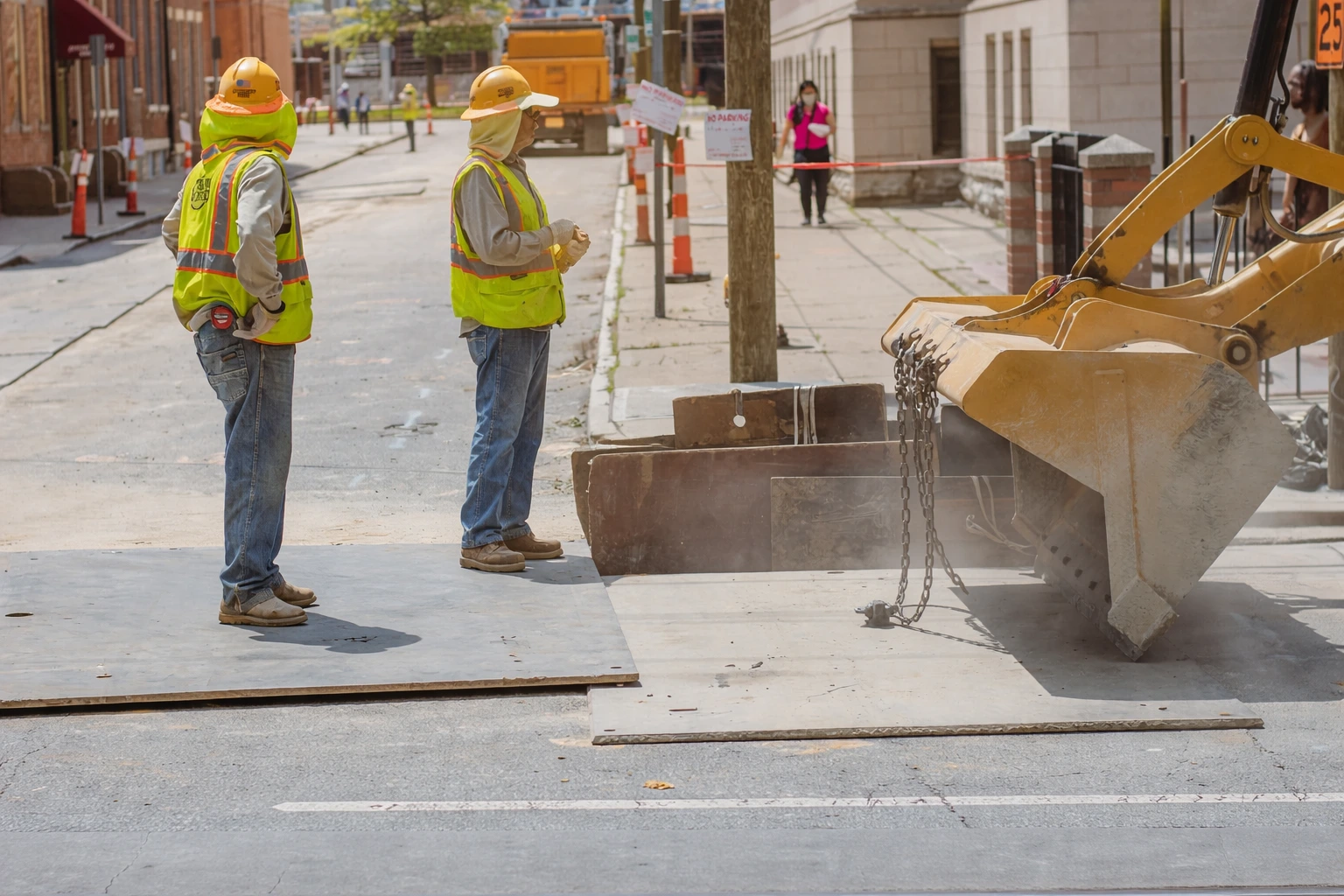
Incorrect use or unauthorized modifications can cause a high-quality safety helmet to become a liability. To retain their certification level, workers should also refrain from common field mistakes regarding how to wear a hard hat to avoid compromising the integrity of the helmet shell.
Unauthorized Modifications and Drilling
Drilling holes in a helmet's shell or attaching non-approved accessories to it using screws is a very dangerous mistake. Any type of modification to the shell disturbs the engineered distribution of stress and will introduce weak points into the plastic that can break or shatter through impact. The helmet must be viewed as a complete, intact unit, and any DIY modification will void the impact rating.
Improper Storage and Heat Exposure
Leaving a hard hat in a truck dash or in a truck box under conditions of extreme UV exposure and heat, it will be subjected to more rapid deterioration due to concentrated exposure of UV light and heat than would be experienced if it were kept in a location that is out of sunlight and relatively cool.
The heat and light that accrue will cause the polymer-based hard hat's shell to become brittle and thus prone to failure. Hard hats should be stored in a climate-controlled environment, such as a cool, dry location, away from both direct sunlight or harsh chemicals, to preserve the polymer-based material enough to withstand impact energy.
Carrying Objects Inside the Helmet
Do not use the area existing between the shell of your helmet and the suspension of your helmet as a storage area. If you place objects such as gloves, cigarettes, or a mobile phone inside your helmet, all those objects will occupy the clearance that is essential for the suspension system to stretch in the event of an impact.
When an object is in that space, and an impact occurs, the object is driven into your skull and will cause serious injury even if the shell is not damaged.
What to Wear Under a Hard Hat Without Compromising Protection
Workers frequently put on extra layers of clothing when temperatures are low. However, when deciding what to wear under a hard hat, there should be no reduction in the engineered distance between the outer shell and the suspension.
Using a bulky winter cap instead of a specialized under-a-hard-hat-beanie will often compress the suspension system. This results in a loss of the clearance required to dissipate energy adequately, and, upon impact, the force may transfer directly to the head instead of being absorbed by the helmet.
Hoodies and bulky materials can cause your helmet to misalign and lose stability. To remain protected, it is preferable to wear low-profile or thermal liners specifically made for an industrial environment. They provide comfort and do not interfere with the contacts for the suspension system's contact points. The utmost priority will always be to keep the spacing and tested geometry of your system to maintain full protection.
Reverse Wear and Directional Protection
Not all helmets are approved for backward wear. Reverse donning is only permitted when the helmet is marked and tested for that configuration.
Type II helmets often include reverse wear approval if they pass additional force transmission and impact attenuation requirements. Wearing a non-approved helmet backward changes the designed impact zone and reduces effective protection in both vertical and lateral strike scenarios.
Internal markings identify helmet type, class, and electrical ratings, including Class G, E, or C designations. Those identifiers must remain intact and legible, as detailed in the ANSI Hard Hat Standard Guide, because they confirm the configuration under which the helmet was tested.
Those identifiers must remain intact and legible because they confirm the certified configuration.
Modern Helmet Systems and Impact Management
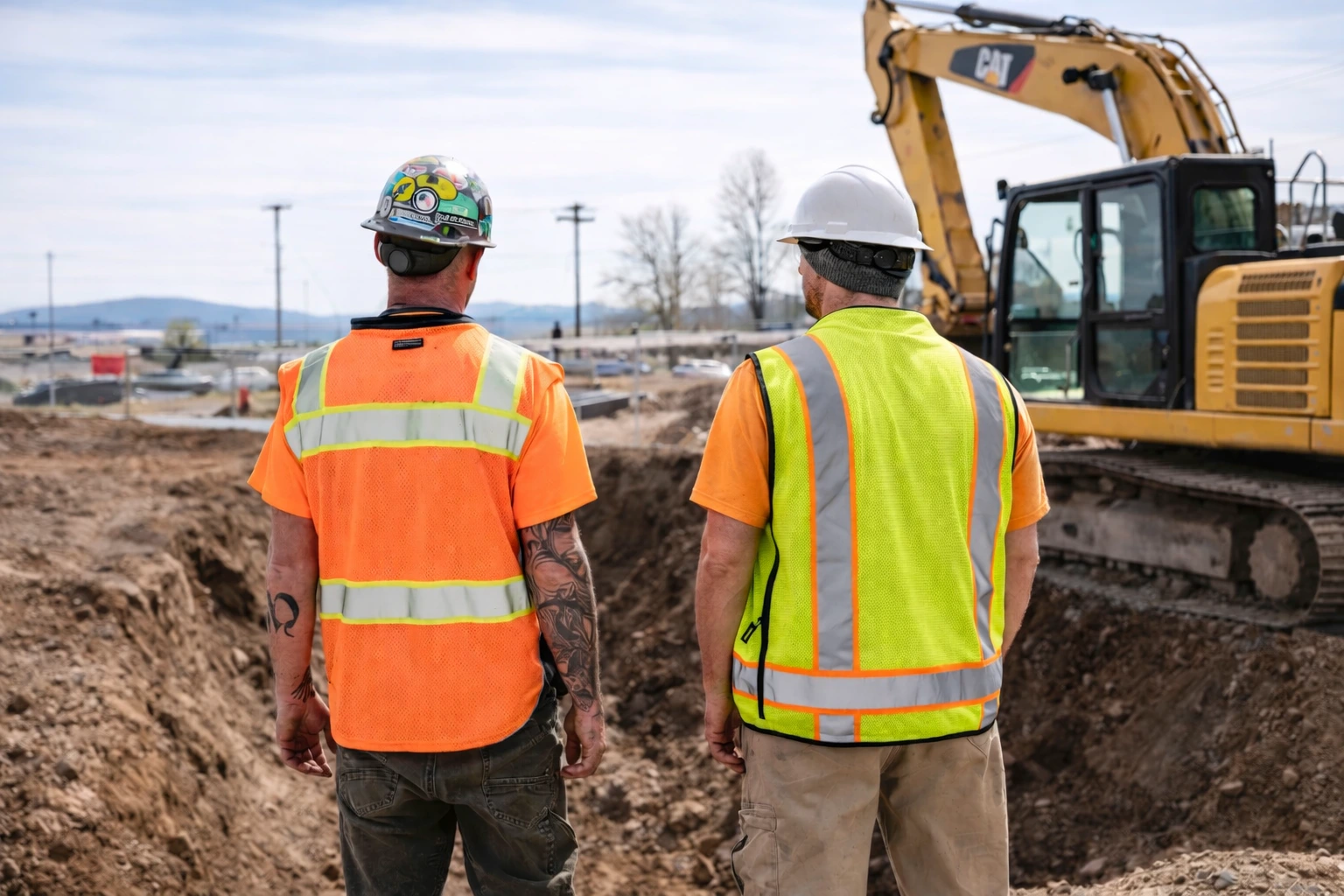
Traditional hard hats rely on shell geometry and suspension spacing to manage impact energy. Newer helmet systems integrate additional stabilization and energy management concepts, often compared in discussions such as WaveCel vs MIPS, which focus on rotational force mitigation.
While not every industrial environment requires advanced rotational protection, a clear look at structural differences helps align gear with actual exposure conditions. These differences between safety helmets and traditional hard hats become particularly relevant in high-movement or elevated work scenarios where stability is critical. Technology only enhances performance when you follow the rules of how to wear a hard hat and adjust it correctly.
Inspection and Replacement Protocol
Proper wear includes routine inspection. UV degradation, shell cracks, worn suspension straps, and chemical exposure reduce structural integrity over time.
When to Replace Equipment
- After any impact: Even if no damage is visible, the helmet must be removed from service immediately.
- Visible damage: Any presence of cracks, dents, or frayed suspension straps.
- Chemical exposure: Cases where the shell becomes brittle, discoloured, or loses its finish.
Through regular guidance provided in the field, there is reinforcement to not only know how to wear your hard hat correctly but also to know when to retire your hard hat. After sustaining an impact, you cannot rely solely on what you see to make sure it's safe or not. Often, the real damage happens internally, where the shell or suspension absorbs the shock. This is why checking for hidden damage and common safety concerns is vital to ensure the equipment is still capable of protecting a life.
It is also important to remember that helmets do not last forever. Following official guidelines for replacement and signs of wear is the only way to account for invisible damage from the sun, heat, or chemicals. Using a shell that has reached the end of its reliable life only provides a false sense of security. Catching these signs early is what keeps a safety protocol truly effective.
Stay Safe by Choosing the Right Head Protection
A hard hat only delivers the engineered protection when assembly, fit, and classification stay aligned. The shell, suspension, and internal clearance function as a single system. Even small changes in positioning or extra layers under the shell alter how impact energy is managed.
Correctly applying how to wear a hard hat is a vital safety step, not a minor detail. Stable adjustment, compatible accessories, and routine inspection determine if the gear performs as intended during an accident.
At TPR Industrial, head protection is a core risk-control strategy. When proper use becomes the standard, compliance stays consistent, and protection remains reliable on any jobsite.
Hard Hat Fit and Use FAQs
How Should A Hard Hat Fit?
It should sit level on the head, about a finger's width above the eyebrows. It must stay secure when you bend over without being painfully tight.
Can I Wear It Backward?
Only if it has the "reverse donning" symbol. If not, the brim must always face forward to maintain its safety rating.
Type I Vs. Type II: What Is The Difference?
Type I protects from top impacts only. Type II adds protection for the front, back, and sides of the head.
What Can I Wear Underneath?
Avoid hoodies or baseball caps. Use only low-profile, helmet-compatible liners that don't compress the internal suspension.
Head protection only works when it is worn exactly as designed. It sounds simple, but how to wear a hard hat correctly depends on proper suspension assembly and stable positioning to maintain the internal clearance that allows the shell to absorb impact energy. Industrial head protection performance criteria are defined under the ANSI ISEA Z89.1, which establishes how helmets must respond to impact, penetration, and electrical exposure.
On active construction sites, any improper wear reduces the safety margin engineered into the equipment. Fit and condition directly influence how a helmet performs under real hazard exposure. Prioritizing these fundamentals is the best way to prevent avoidable injuries and maintain high safety standards across the board.
Before You Put It On, How the Hard Hat System Works
A hard hat is a protective system composed of a rigid outer shell and an internal suspension assembly. The shell deflects impact while the suspension creates controlled spacing between the head and the shell so energy can dissipate before reaching the skull.
That protection changes depending on classification:
- Type I helmets: Protect primarily from top impact.
- Type II helmets: Provide additional lateral protection.
Understanding how to wear a hard hat is essential, as improper positioning can defeat the protection the classification was designed to offer. The engineered space between the shell and the suspension system must be preserved exactly as intended to ensure the helmet functions correctly.
If this clearance is compressed or altered, impact energy will transfer directly to the head instead of being absorbed by the equipment. Maintaining this balance is a key focus in the Hard Hat Classification Guide, as performance depends just as much on geometry as it does on material strength.
Assemble and Adjust the Suspension Correctly
Improper assembly is a frequent field issue. To safely wear a hard hat, you must ensure that the suspension tabs are fully seated in the shell. This allows the headband to rest evenly around the head, providing the maximum stability needed to maintain protection during an impact.
Key Suspension Requirements
- Suspension keys must be fully clicked into the shell slots.
- The adjustment system should create a fit that does not shift during bending.
- The shell and suspension must work as a single unit to distribute forces.
A helmet that tilts or rotates under normal activity is not positioned correctly and may not distribute impact forces as intended. If the suspension is misaligned or partially disengaged, the shell cannot perform to its tested standard.
Achieving Proper Fit in Real Jobsite Conditions
Establishing the standard for how a hard hat should fit ensures that workers avoid the risks of both over-tightening and loose wear. The helmet must sit level on the head with the brim forward unless the shell is specifically marked for reverse configuration.
The headband rests just above the eyebrows, and the suspension must maintain adequate clearance between the shell and scalp. A construction worker who does not know how to wear a hard hat that shifts backward, sits too high, or moves laterally during normal motion compromises impact absorption.
Secure does not mean tight. The helmet should remain stable without distorting suspension geometry or creating pressure points that affect long-shift wearability.
Common Hard Hat Mistakes That Increase Injury Risk
Incorrect use or unauthorized modifications can cause a high-quality safety helmet to become a liability. To retain their certification level, workers should also refrain from common field mistakes regarding how to wear a hard hat to avoid compromising the integrity of the helmet shell.
Unauthorized Modifications and Drilling
Drilling holes in a helmet's shell or attaching non-approved accessories to it using screws is a very dangerous mistake. Any type of modification to the shell disturbs the engineered distribution of stress and will introduce weak points into the plastic that can break or shatter through impact. The helmet must be viewed as a complete, intact unit, and any DIY modification will void the impact rating.
Improper Storage and Heat Exposure
Leaving a hard hat in a truck dash or in a truck box under conditions of extreme UV exposure and heat, it will be subjected to more rapid deterioration due to concentrated exposure of UV light and heat than would be experienced if it were kept in a location that is out of sunlight and relatively cool.
The heat and light that accrue will cause the polymer-based hard hat's shell to become brittle and thus prone to failure. Hard hats should be stored in a climate-controlled environment, such as a cool, dry location, away from both direct sunlight or harsh chemicals, to preserve the polymer-based material enough to withstand impact energy.
Carrying Objects Inside the Helmet
Do not use the area existing between the shell of your helmet and the suspension of your helmet as a storage area. If you place objects such as gloves, cigarettes, or a mobile phone inside your helmet, all those objects will occupy the clearance that is essential for the suspension system to stretch in the event of an impact.
When an object is in that space, and an impact occurs, the object is driven into your skull and will cause serious injury even if the shell is not damaged.
What to Wear Under a Hard Hat Without Compromising Protection
Workers frequently put on extra layers of clothing when temperatures are low. However, when deciding what to wear under a hard hat, there should be no reduction in the engineered distance between the outer shell and the suspension.
Using a bulky winter cap instead of a specialized under-a-hard-hat-beanie will often compress the suspension system. This results in a loss of the clearance required to dissipate energy adequately, and, upon impact, the force may transfer directly to the head instead of being absorbed by the helmet.
Hoodies and bulky materials can cause your helmet to misalign and lose stability. To remain protected, it is preferable to wear low-profile or thermal liners specifically made for an industrial environment. They provide comfort and do not interfere with the contacts for the suspension system's contact points. The utmost priority will always be to keep the spacing and tested geometry of your system to maintain full protection.
Reverse Wear and Directional Protection
Not all helmets are approved for backward wear. Reverse donning is only permitted when the helmet is marked and tested for that configuration.
Type II helmets often include reverse wear approval if they pass additional force transmission and impact attenuation requirements. Wearing a non-approved helmet backward changes the designed impact zone and reduces effective protection in both vertical and lateral strike scenarios.
Internal markings identify helmet type, class, and electrical ratings, including Class G, E, or C designations. Those identifiers must remain intact and legible, as detailed in the ANSI Hard Hat Standard Guide, because they confirm the configuration under which the helmet was tested.
Those identifiers must remain intact and legible because they confirm the certified configuration.
Modern Helmet Systems and Impact Management
Traditional hard hats rely on shell geometry and suspension spacing to manage impact energy. Newer helmet systems integrate additional stabilization and energy management concepts, often compared in discussions such as WaveCel vs MIPS, which focus on rotational force mitigation.
While not every industrial environment requires advanced rotational protection, a clear look at structural differences helps align gear with actual exposure conditions. These differences between safety helmets and traditional hard hats become particularly relevant in high-movement or elevated work scenarios where stability is critical. Technology only enhances performance when you follow the rules of how to wear a hard hat and adjust it correctly.
Inspection and Replacement Protocol
Proper wear includes routine inspection. UV degradation, shell cracks, worn suspension straps, and chemical exposure reduce structural integrity over time.
When to Replace Equipment
- After any impact: Even if no damage is visible, the helmet must be removed from service immediately.
- Visible damage: Any presence of cracks, dents, or frayed suspension straps.
- Chemical exposure: Cases where the shell becomes brittle, discoloured, or loses its finish.
Through regular guidance provided in the field, there is reinforcement to not only know how to wear your hard hat correctly but also to know when to retire your hard hat. After sustaining an impact, you cannot rely solely on what you see to make sure it's safe or not. Often, the real damage happens internally, where the shell or suspension absorbs the shock. This is why checking for hidden damage and common safety concerns is vital to ensure the equipment is still capable of protecting a life.
It is also important to remember that helmets do not last forever. Following official guidelines for replacement and signs of wear is the only way to account for invisible damage from the sun, heat, or chemicals. Using a shell that has reached the end of its reliable life only provides a false sense of security. Catching these signs early is what keeps a safety protocol truly effective.
Stay Safe by Choosing the Right Head Protection
A hard hat only delivers the engineered protection when assembly, fit, and classification stay aligned. The shell, suspension, and internal clearance function as a single system. Even small changes in positioning or extra layers under the shell alter how impact energy is managed.
Correctly applying how to wear a hard hat is a vital safety step, not a minor detail. Stable adjustment, compatible accessories, and routine inspection determine if the gear performs as intended during an accident.
At TPR Industrial, head protection is a core risk-control strategy. When proper use becomes the standard, compliance stays consistent, and protection remains reliable on any jobsite.
Hard Hat Fit and Use FAQs
How Should A Hard Hat Fit?
It should sit level on the head, about a finger's width above the eyebrows. It must stay secure when you bend over without being painfully tight.
Can I Wear It Backward?
Only if it has the "reverse donning" symbol. If not, the brim must always face forward to maintain its safety rating.
Type I Vs. Type II: What Is The Difference?
Type I protects from top impacts only. Type II adds protection for the front, back, and sides of the head.
What Can I Wear Underneath?
Avoid hoodies or baseball caps. Use only low-profile, helmet-compatible liners that don't compress the internal suspension.
