 English
 Español

How long do hard hats last is not something you want to guess when crews are working under active hazards. A hard hat can look perfectly fine and still be past its safe service life, while another one that seems old on paper may still be doing its job. Head injuries remain one of the most common causes of serious incidents on jobsites, which is why proper head protection is treated as a core safety requirement, alongside clear hard hat color meaning on jobsites.
At TPR Industrial, we work with safety managers who make this call in real jobsite conditions, not ideal scenarios. This guide explains how long hard hats actually last, what expiration dates really mean, and five clear rules for replacing head protection before it stops protecting.
Real Jobsite Factors That Affect Hard Hat Lifespan
Manufacturer recommendations are based on controlled testing, but real jobsites introduce constant variables. Sun exposure, temperature swings, vibration, sweat, and airborne contaminants all accelerate material degradation.
A hard hat worn daily outdoors will age far faster than one used occasionally indoors. Ultraviolet exposure weakens plastic over time, reducing its ability to flex and absorb impact energy. This becomes more critical in environments where lateral contact with equipment or structures is possible, making Type I and Type II hard hats an important consideration. For this reason, service life should always be evaluated based on condition and exposure, not just age.
What a Hard Hat Expiration Date Actually Means
The hard hat expiration date molded into the shell is often misunderstood. It indicates when the helmet was manufactured, not when it suddenly stops protecting the wearer. Over time, the materials used in hard hats naturally degrade due to exposure to sunlight, heat, moisture, and jobsite conditions.
Plastics lose flexibility gradually, and once that happens, impact energy transfers more directly to the head and neck, even if the hard hat still looks intact. Because this type of degradation is rarely visible, expiration dates should be treated as a reference point that triggers closer inspection and replacement planning, not as a guarantee of protection.
How Long Is a Hard Hat Good For Under Safety Standards
When safety teams ask “how long is a hard hat good for?”, they are often looking for a clear, fixed timeline. In practice, no single timeline applies across all jobsites, materials, or working conditions.
Federal safety guidance focuses instead on whether head protection is still capable of performing as designed. According to new OSHA hard hat requirements, replacement decisions should be based on performance, condition, and exposure rather than age alone. In practical terms, a hard hat must be replaced when it can no longer provide reliable protection, regardless of its manufacturing date.
The Suspension System Matters as Much as the Shell
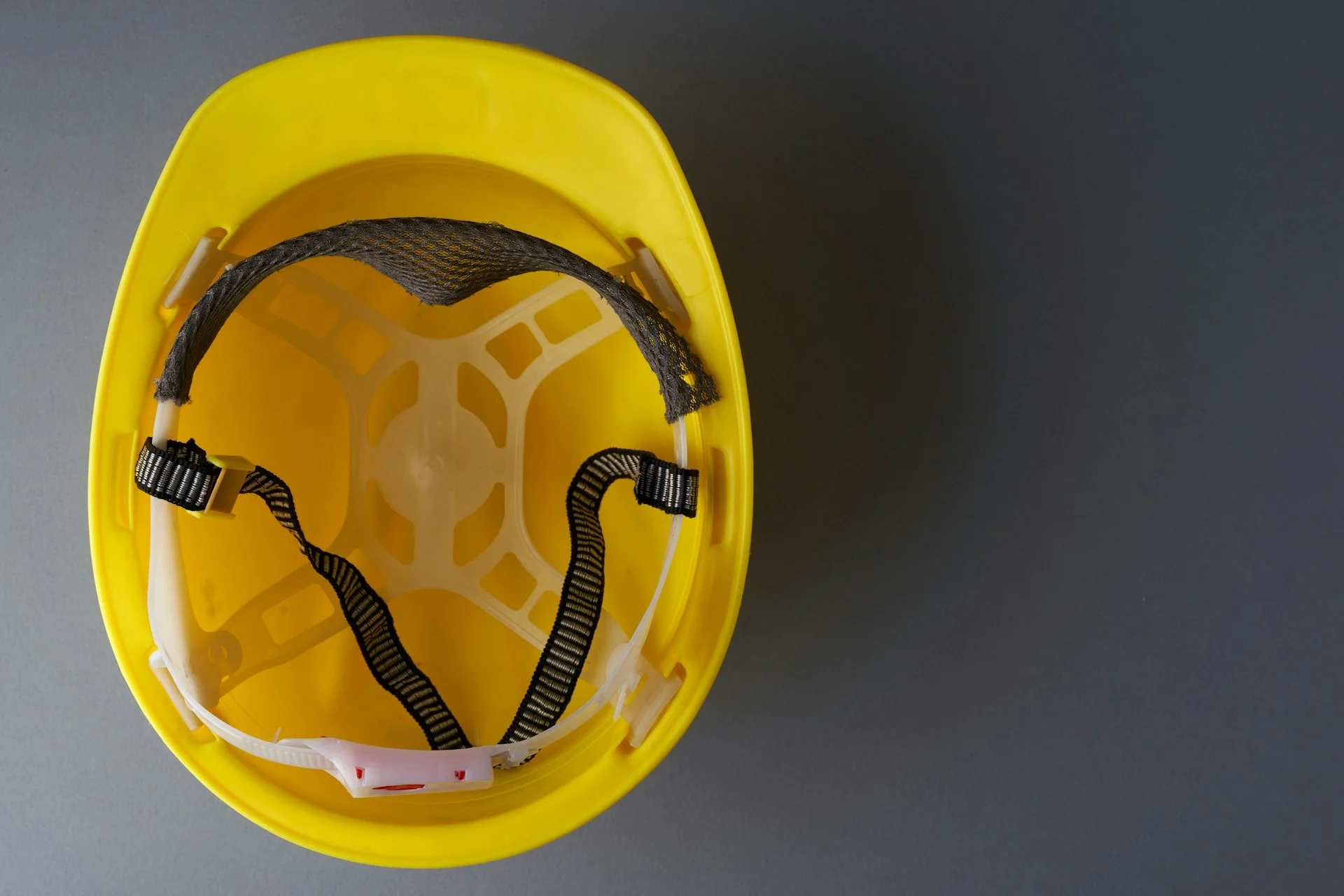
The suspension system plays a major role in how a hard hat absorbs and distributes impact forces. Sweat, dirt, and repeated adjustments weaken it long before obvious failure occurs.
Most manufacturers recommend replacing suspensions every 6 to 12 months. A worn suspension reduces protection even if the shell looks fine.
As suspension systems wear down, impact forces are transferred more directly to the head, which is why many safety teams reassess whether traditional designs still offer enough protection in certain environments. Shell and suspension should always be treated as one system.
How Often Should Hard Hats Be Replaced on Active Jobsites
On most active jobsites, hard hat replacement is based on condition, exposure, and daily use rather than a fixed calendar date. Sun exposure, sweat, vibration, and minor impacts all contribute to gradual material breakdown, even when damage is not immediately visible. For this reason, many safety programs rely on a practical replacement schedule that creates consistency across crews while still allowing flexibility based on real jobsite conditions.
A realistic hard hat replacement schedule typically includes:
- Shell replacement every 3 to 5 years depending on exposure
- Suspension replacement at least once per year
- Immediate replacement after any impact or chemical exposure
Using this type of schedule helps safety teams base replacement decisions on actual jobsite conditions instead of assumptions, reducing the chance that worn or compromised equipment remains in service.
Five Safe Replacement Rules Every Crew Should Follow
Clear rules reduce uncertainty and prevent unsafe judgment calls.
Rule 1: Replace After Any Impact
Any Hard Hat involved in a strike or fall should be removed from service immediately, even if damage is not visible.
Rule 2: Watch for UV and Heat Damage
Fading, chalky residue, brittleness, or loss of flexibility indicate material breakdown.
Rule 3: Inspect Frequently
Weekly inspections catch problems long before annual checks would.
Rule 4: Follow a Written Replacement Plan
A documented Hard Hat replacement policy improves consistency, simplifies audits, and reduces liability.
Rule 5: Never Mix Components
Hard hat shells and suspension systems are engineered and tested as a complete system. Mixing components from different manufacturers can compromise impact performance, reduce energy absorption, and create a false sense of protection, even when the equipment appears to fit correctly.
How Often Should a Hard Hat Be Replaced in High-Risk Environments

In high-risk environments such as heavy industrial sites, electrical work, foundries, or areas with chemical exposure, hard hats often require more frequent replacement than standard schedules suggest. Extreme heat, oils, solvents, welding spatter, and airborne contaminants accelerate material degradation beyond normal jobsite wear.
In these conditions, many safety teams shorten replacement cycles, sometimes replacing hard hats annually even when no visible damage is present. Many crews in these environments are also upgrading to type 2 hard hats to reduce injury severity during everyday incidents where side impacts are more likely. The goal is to reduce uncertainty and maintain consistent protection where exposure levels are significantly higher.
Storage and Handling Mistakes That Shorten Hard Hat Life
Improper storage quietly damages hard hats. Leaving helmets on dashboards, near windows, or under heavy tools exposes them to heat, UV radiation, and deformation. Proper storage in cool, shaded, chemical-free areas significantly improves longevity and reliability.
Why Delaying Replacement Creates Hidden Costs
When storage and handling issues are ignored, the impact often goes beyond equipment failure. Trying to extend hard hat life to save money frequently leads to higher costs through injuries, downtime, and investigations.
Head protection failures rarely happen in isolation and often trigger broader operational disruptions. Strong safety programs replace equipment at the right time, not the last possible moment.
Building a Smarter Hard Hat Replacement Schedule
A smarter hard hat replacement schedule focuses on consistency across crews and jobsite conditions rather than isolated replacement decisions. It combines regular inspections, exposure history, and manufacturer guidance to create a structured approach that can be applied over time.
When replacement is treated as part of a broader safety program, teams reduce guesswork, improve compliance, and maintain consistent head protection standards across multiple jobsites instead of relying on individual judgment.
When Head Protection Stops Being Reliable
The real service life of a Hard Hat depends on whether it can still perform as intended. Printed dates provide guidance, but everyday wear, regular inspections, and replacement decisions are what actually keep workers protected.
Crews that treat Hard Hats as active safety systems, not static gear, reduce risk, improve compliance, and avoid preventable incidents long before something goes wrong.
FAQs: How Long Do Hard Hats Last
How long do Hard Hats last if they are rarely used
Even unused Hard Hats degrade over time. Most manufacturers recommend replacing shells within five years.
Can a Hard Hat be used after the expiration date
Possibly, but only with increased inspection. Many companies replace shortly after the date to remain conservative.
How often should Hard Hats be replaced in construction
Shells every 3 to 5 years, suspensions annually, and immediately after impact.
Is there a universal Hard Hat expiration date
No. Dates indicate manufacturing, not guaranteed failure.
Do Type II Hard Hats need more frequent replacement
Replacement depends on exposure and condition, not helmet type.
How long do hard hats last is not something you want to guess when crews are working under active hazards. A hard hat can look perfectly fine and still be past its safe service life, while another one that seems old on paper may still be doing its job. Head injuries remain one of the most common causes of serious incidents on jobsites, which is why proper head protection is treated as a core safety requirement, alongside clear hard hat color meaning on jobsites.
At TPR Industrial, we work with safety managers who make this call in real jobsite conditions, not ideal scenarios. This guide explains how long hard hats actually last, what expiration dates really mean, and five clear rules for replacing head protection before it stops protecting.
Real Jobsite Factors That Affect Hard Hat Lifespan
Manufacturer recommendations are based on controlled testing, but real jobsites introduce constant variables. Sun exposure, temperature swings, vibration, sweat, and airborne contaminants all accelerate material degradation.
A hard hat worn daily outdoors will age far faster than one used occasionally indoors. Ultraviolet exposure weakens plastic over time, reducing its ability to flex and absorb impact energy. This becomes more critical in environments where lateral contact with equipment or structures is possible, making Type I and Type II hard hats an important consideration. For this reason, service life should always be evaluated based on condition and exposure, not just age.
What a Hard Hat Expiration Date Actually Means
The hard hat expiration date molded into the shell is often misunderstood. It indicates when the helmet was manufactured, not when it suddenly stops protecting the wearer. Over time, the materials used in hard hats naturally degrade due to exposure to sunlight, heat, moisture, and jobsite conditions.
Plastics lose flexibility gradually, and once that happens, impact energy transfers more directly to the head and neck, even if the hard hat still looks intact. Because this type of degradation is rarely visible, expiration dates should be treated as a reference point that triggers closer inspection and replacement planning, not as a guarantee of protection.
How Long Is a Hard Hat Good For Under Safety Standards
When safety teams ask “how long is a hard hat good for?”, they are often looking for a clear, fixed timeline. In practice, no single timeline applies across all jobsites, materials, or working conditions.
Federal safety guidance focuses instead on whether head protection is still capable of performing as designed. According to new OSHA hard hat requirements, replacement decisions should be based on performance, condition, and exposure rather than age alone. In practical terms, a hard hat must be replaced when it can no longer provide reliable protection, regardless of its manufacturing date.
The Suspension System Matters as Much as the Shell
The suspension system plays a major role in how a hard hat absorbs and distributes impact forces. Sweat, dirt, and repeated adjustments weaken it long before obvious failure occurs.
Most manufacturers recommend replacing suspensions every 6 to 12 months. A worn suspension reduces protection even if the shell looks fine.
As suspension systems wear down, impact forces are transferred more directly to the head, which is why many safety teams reassess whether traditional designs still offer enough protection in certain environments. Shell and suspension should always be treated as one system.
How Often Should Hard Hats Be Replaced on Active Jobsites
On most active jobsites, hard hat replacement is based on condition, exposure, and daily use rather than a fixed calendar date. Sun exposure, sweat, vibration, and minor impacts all contribute to gradual material breakdown, even when damage is not immediately visible. For this reason, many safety programs rely on a practical replacement schedule that creates consistency across crews while still allowing flexibility based on real jobsite conditions.
A realistic hard hat replacement schedule typically includes:
- Shell replacement every 3 to 5 years depending on exposure
- Suspension replacement at least once per year
- Immediate replacement after any impact or chemical exposure
Using this type of schedule helps safety teams base replacement decisions on actual jobsite conditions instead of assumptions, reducing the chance that worn or compromised equipment remains in service.
Five Safe Replacement Rules Every Crew Should Follow
Clear rules reduce uncertainty and prevent unsafe judgment calls.
Rule 1: Replace After Any Impact
Any Hard Hat involved in a strike or fall should be removed from service immediately, even if damage is not visible.
Rule 2: Watch for UV and Heat Damage
Fading, chalky residue, brittleness, or loss of flexibility indicate material breakdown.
Rule 3: Inspect Frequently
Weekly inspections catch problems long before annual checks would.
Rule 4: Follow a Written Replacement Plan
A documented Hard Hat replacement policy improves consistency, simplifies audits, and reduces liability.
Rule 5: Never Mix Components
Hard hat shells and suspension systems are engineered and tested as a complete system. Mixing components from different manufacturers can compromise impact performance, reduce energy absorption, and create a false sense of protection, even when the equipment appears to fit correctly.
How Often Should a Hard Hat Be Replaced in High-Risk Environments
In high-risk environments such as heavy industrial sites, electrical work, foundries, or areas with chemical exposure, hard hats often require more frequent replacement than standard schedules suggest. Extreme heat, oils, solvents, welding spatter, and airborne contaminants accelerate material degradation beyond normal jobsite wear.
In these conditions, many safety teams shorten replacement cycles, sometimes replacing hard hats annually even when no visible damage is present. Many crews in these environments are also upgrading to type 2 hard hats to reduce injury severity during everyday incidents where side impacts are more likely. The goal is to reduce uncertainty and maintain consistent protection where exposure levels are significantly higher.
Storage and Handling Mistakes That Shorten Hard Hat Life
Improper storage quietly damages hard hats. Leaving helmets on dashboards, near windows, or under heavy tools exposes them to heat, UV radiation, and deformation. Proper storage in cool, shaded, chemical-free areas significantly improves longevity and reliability.
Why Delaying Replacement Creates Hidden Costs
When storage and handling issues are ignored, the impact often goes beyond equipment failure. Trying to extend hard hat life to save money frequently leads to higher costs through injuries, downtime, and investigations.
Head protection failures rarely happen in isolation and often trigger broader operational disruptions. Strong safety programs replace equipment at the right time, not the last possible moment.
Building a Smarter Hard Hat Replacement Schedule
A smarter hard hat replacement schedule focuses on consistency across crews and jobsite conditions rather than isolated replacement decisions. It combines regular inspections, exposure history, and manufacturer guidance to create a structured approach that can be applied over time.
When replacement is treated as part of a broader safety program, teams reduce guesswork, improve compliance, and maintain consistent head protection standards across multiple jobsites instead of relying on individual judgment.
When Head Protection Stops Being Reliable
The real service life of a Hard Hat depends on whether it can still perform as intended. Printed dates provide guidance, but everyday wear, regular inspections, and replacement decisions are what actually keep workers protected.
Crews that treat Hard Hats as active safety systems, not static gear, reduce risk, improve compliance, and avoid preventable incidents long before something goes wrong.
FAQs: How Long Do Hard Hats Last
How long do Hard Hats last if they are rarely used
Even unused Hard Hats degrade over time. Most manufacturers recommend replacing shells within five years.
Can a Hard Hat be used after the expiration date
Possibly, but only with increased inspection. Many companies replace shortly after the date to remain conservative.
How often should Hard Hats be replaced in construction
Shells every 3 to 5 years, suspensions annually, and immediately after impact.
Is there a universal Hard Hat expiration date
No. Dates indicate manufacturing, not guaranteed failure.
Do Type II Hard Hats need more frequent replacement
Replacement depends on exposure and condition, not helmet type.
