 English
 Español
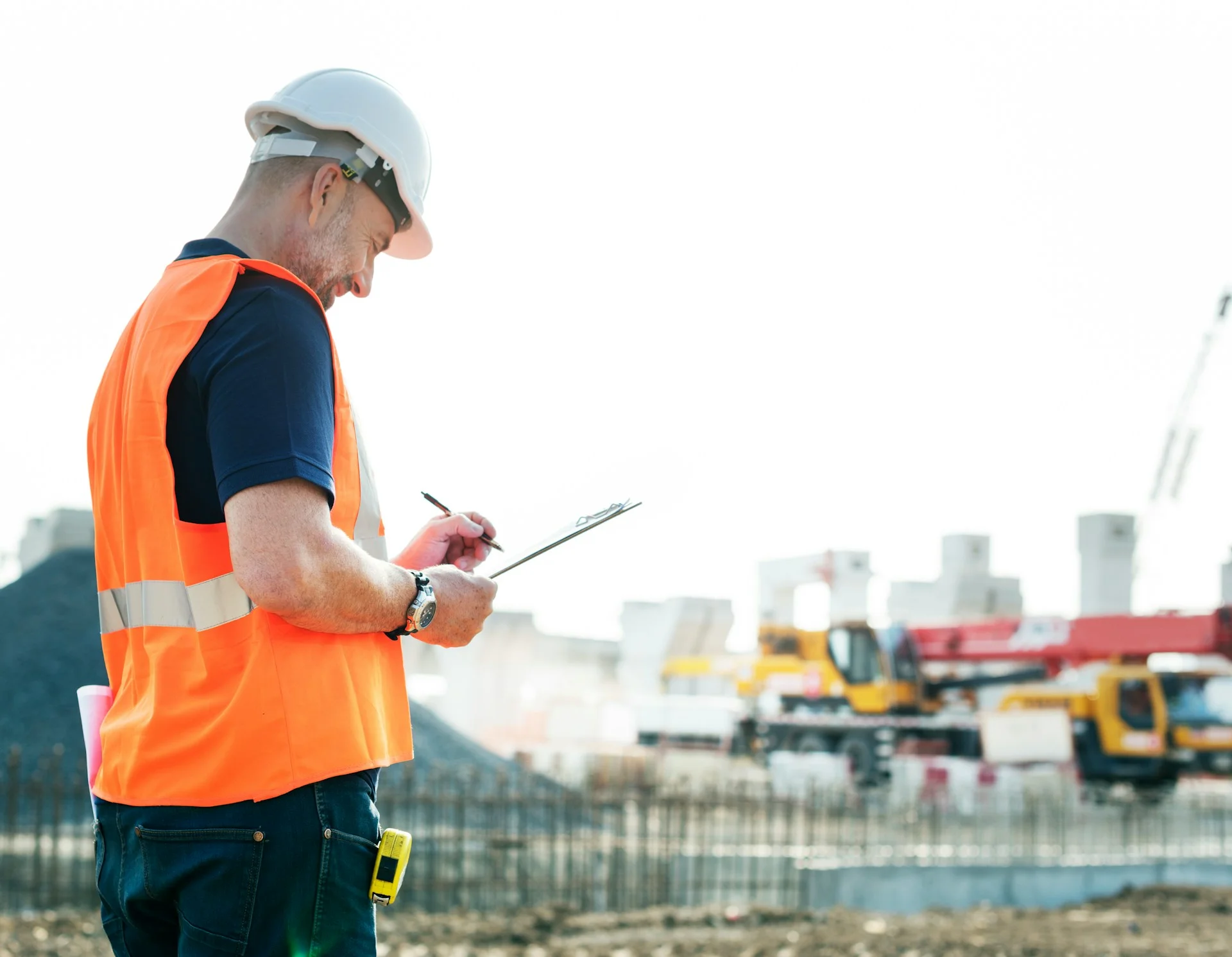
Staying visible on a busy job site is one of the simplest yet most effective ways to prevent accidents. Workers in construction, utilities, transportation, warehousing, and road operations rely on high visibility workwear to ensure they stand out in all lighting conditions, from bright daylight to low-light or nighttime operations. But understanding what qualifies as compliant workwear, when certain classes are required, and how to choose the right garments can feel overwhelming.
This guide breaks everything down in a practical, easy-to-scan way so you can make informed decisions about reflective gear, ANSI classes, and proper job-site visibility.
What Is High Visibility Workwear?
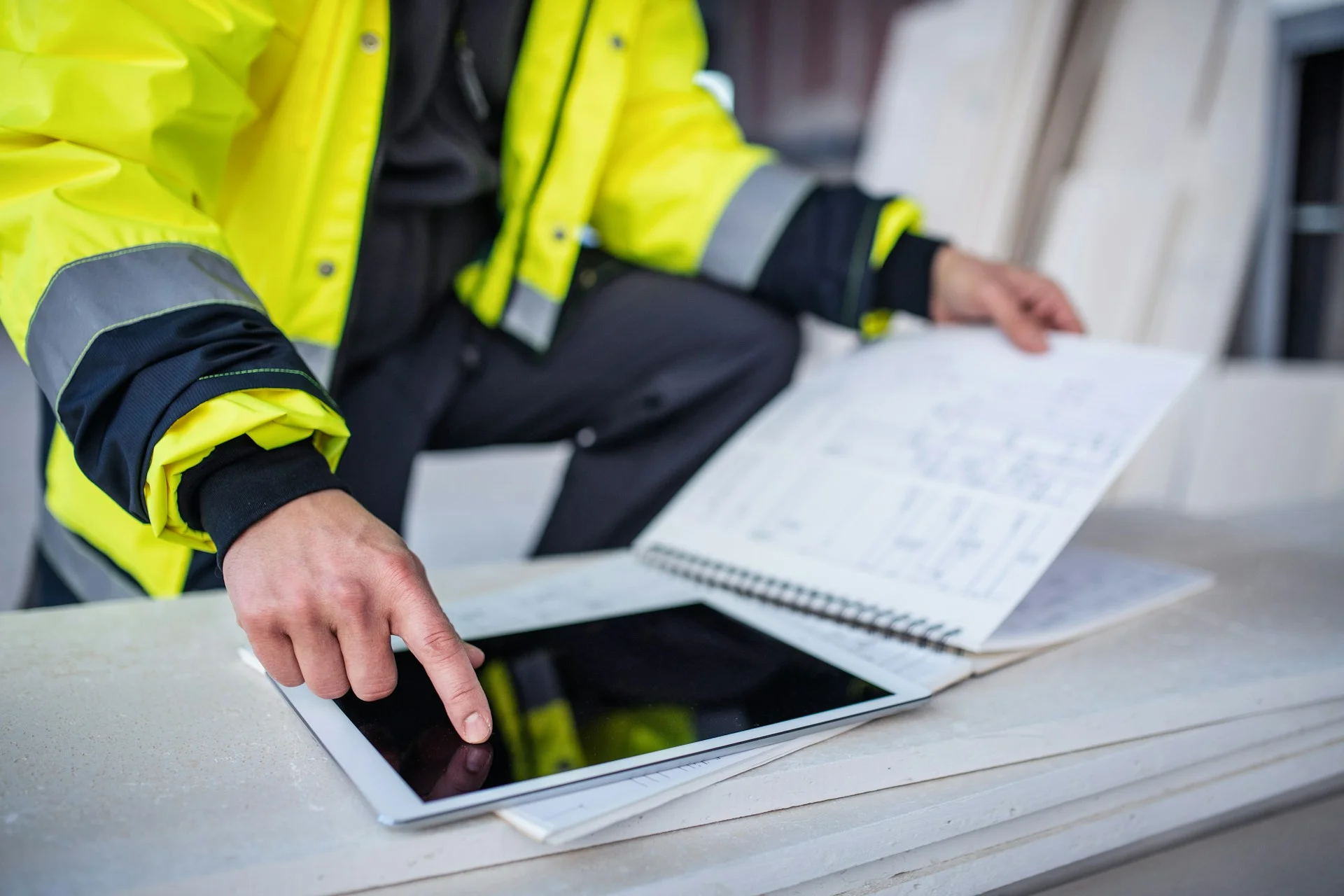
At its core, high visibility workwear is any piece of clothing designed to make workers more noticeable through fluorescent fabrics, reflective tape, and contrast panels. OSHA points to ANSI/ISEA 107 as the governing standard for hi-vis garments, defining the minimum amounts of fluorescent background material and retroreflective tape needed for each class of protection.
Hi-vis clothing is most commonly worn by construction crews, road workers, equipment operators, traffic control personnel, emergency responders, and warehouse workers who need to be seen around vehicles and heavy machinery. Beyond vests and jackets, today’s PPE includes options like hi-vis shirts, winter jackets, breathable summer tops, and fire-resistant garments such as this Class 3 FR fluorescent yellow shirt built for extreme conditions.
Types of High Visibility Workwear and When They’re Required
The ANSI/ISEA 107 standard breaks high-vis PPE into Class 1, Class 2, and Class 3, each suited to different job-site hazards. This allows employers to match gear to visibility needs instead of guessing based on color alone.
Class 1
For low-risk environments where workers are separated from traffic and moving machinery. Minimal reflective and fluorescent requirements.
Class 2
Best for workers near traffic exceeding 25 mph, heavy equipment zones, and areas where visibility may be partially obstructed. Many hi-vis vests fall into this category.
Class 3
Highest visibility rating. Required where workers must be identifiable from a distance in high-speed traffic zones, during nighttime operations, or in poor weather. Full-coverage garments like jackets or long-sleeve shirts qualify.
To better understand how ANSI labeling works, you can review this detailed ANSI hard hat standard guide, which outlines how protective gear earns its certification.
Key Features That Make Hi-Vis Clothing Effective
Regardless of class, high-visibility gear depends on a combination of:
- Fluorescent colors – Yellow, orange, and red provide contrast during daylight
- Retroreflective tape – Returns light directly to its source in dark conditions
- Contrasting panels – Improve outline visibility
- Weather-appropriate materials – Breathable or insulated
- Durability – Must withstand job-site wear, sun exposure, and laundering
Many teams pair hi-vis PPE with the most comfortable hard hats for all-day wearability. You can explore top-rated options in this comfortable hard hats buying guide.
And for crews outfitting multiple trades, it’s helpful to review a complete list of essential safety gear for construction to ensure compliance across all roles.
How to Choose the Right High-Vis Gear for Your Job
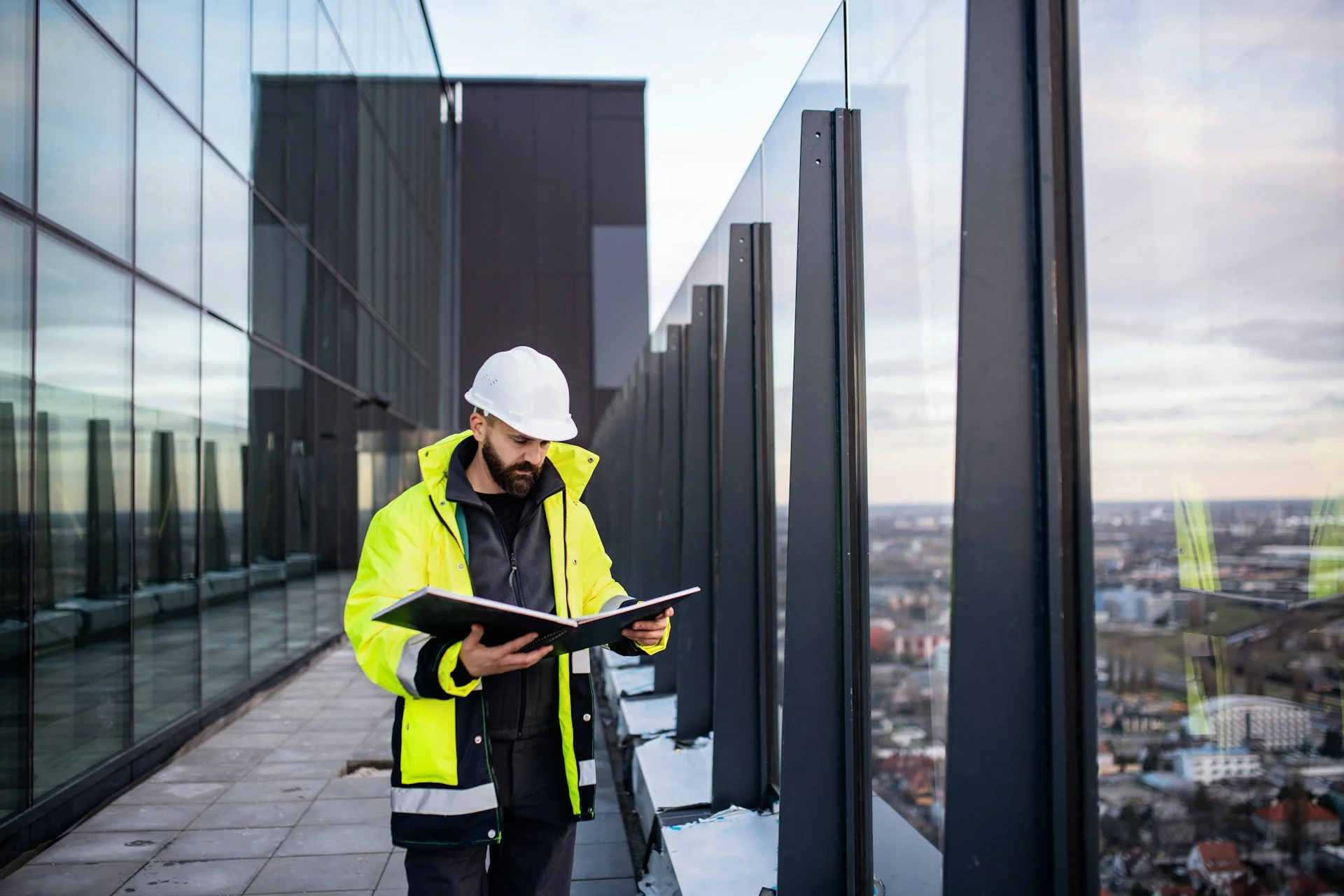
Choosing high visibility workwear depends on several factors beyond ANSI class. Google tends to favor posts that break these down clearly because they answer the exact questions users ask in search.
Consider the Work Environment
- Roadwork: Class 3 recommended
- General construction: Class 2 or 3 depending on hazards
- Warehouse operations: Class 1 or 2
- Utility workers: Often required to wear Class 3
For environments involving additional hazards like burns, FR-rated hi-vis garments are essential.
Weather Matters
- Summer: Moisture-wicking hi-vis shirts
- Winter: Insulated hi-vis jackets, waterproof rain gear
- Rain/snow: Materials that keep reflective tape functioning
Fit and Mobility
Loose, oversized clothing reduces reflective accuracy. Workers should be able to bend, reach, and lift comfortably.
Compliance Labels
Always check the tag for ANSI/ISEA 107 certification. This is one of the most common mistakes buyers make, purchasing bright clothing that looks “hi-vis” but is not compliant.
To keep the full PPE kit compliant, review OSHA-based construction site first aid kit requirements.
Why High-Vis Gear Fails (and How to Avoid It)
Even compliant gear loses effectiveness if:
- The reflective tape cracks or peels
- Fluorescent material fades due to sun exposure
- Garments are extremely dirty
- Layers cover the reflective areas
- The wrong class is selected for the hazard
According to the U.S. Department of Transportation, visibility is a factor in over 20% of roadway worker fatalities, reinforcing the importance of proper reflective PPE. You can read more in this official FHWA work zone safety resource.
FAQ: High Visibility Clothing Explained (People Also Ask)
What makes clothing “high visibility”?
Clothing becomes “high visibility” when it uses fluorescent background materials combined with retroreflective tape and meets defined surface-area requirements set by ANSI/ISEA 107. These components ensure visibility during daytime, low light, and nighttime conditions.
Do I need Class 2 or Class 3 hi-vis?
You typically need Class 2 for moderate-risk environments like general construction or traffic under 50 mph. You need Class 3 for high-speed traffic zones, nighttime work, severe weather, or any situation where workers must be visible from a long distance.
Is orange or yellow better for high visibility?
Both colors are compliant. Yellow is extremely bright in low light, while orange offers strong contrast in outdoor environments like dirt, vegetation, and forested areas. The best choice depends on what background color is most common on your job site.
How long does high-visibility clothing last?
Under heavy job-site use, most hi-vis apparel lasts six months to a year before fading or reflective tape degradation makes it non-compliant. Workers in extreme weather or high-abrasion environments may need replacements more frequently.
Is high-visibility clothing required by OSHA?
OSHA requires employers to ensure workers are visible and references ANSI/ISEA 107 as the accepted standard. Any job near road traffic, equipment, or low-light conditions typically mandates compliant hi-vis garments.
Final Thoughts
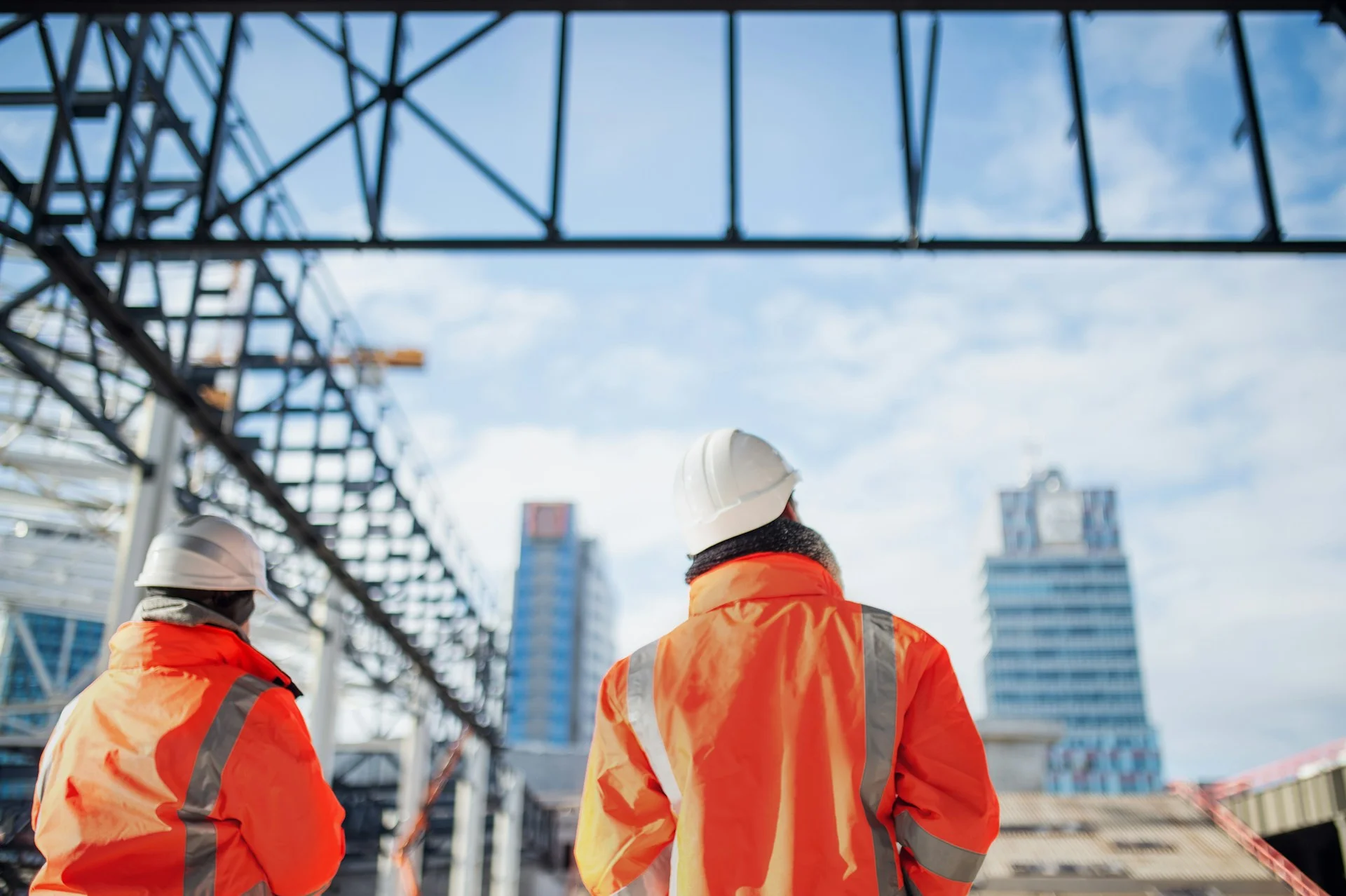
When selected correctly and maintained properly, high visibility workwear significantly reduces accidents on job sites and enhances overall PPE performance. Whether you’re choosing reflective vests, jackets, hi-vis safety wear, FR-rated tops, or moisture-wicking summer gear, prioritizing ANSI compliance and situational needs will keep your crew visible, comfortable, and protected in all conditions.
If you're ready to upgrade your team’s visibility gear, explore the full range of compliant options available at TPR Industrial, built for demanding environments and backed by trusted safety standards.
Staying visible on a busy job site is one of the simplest yet most effective ways to prevent accidents. Workers in construction, utilities, transportation, warehousing, and road operations rely on high visibility workwear to ensure they stand out in all lighting conditions, from bright daylight to low-light or nighttime operations. But understanding what qualifies as compliant workwear, when certain classes are required, and how to choose the right garments can feel overwhelming.
This guide breaks everything down in a practical, easy-to-scan way so you can make informed decisions about reflective gear, ANSI classes, and proper job-site visibility.
What Is High Visibility Workwear?
At its core, high visibility workwear is any piece of clothing designed to make workers more noticeable through fluorescent fabrics, reflective tape, and contrast panels. OSHA points to ANSI/ISEA 107 as the governing standard for hi-vis garments, defining the minimum amounts of fluorescent background material and retroreflective tape needed for each class of protection.
Hi-vis clothing is most commonly worn by construction crews, road workers, equipment operators, traffic control personnel, emergency responders, and warehouse workers who need to be seen around vehicles and heavy machinery. Beyond vests and jackets, today’s PPE includes options like hi-vis shirts, winter jackets, breathable summer tops, and fire-resistant garments such as this Class 3 FR fluorescent yellow shirt built for extreme conditions.
Types of High Visibility Workwear and When They’re Required
The ANSI/ISEA 107 standard breaks high-vis PPE into Class 1, Class 2, and Class 3, each suited to different job-site hazards. This allows employers to match gear to visibility needs instead of guessing based on color alone.
Class 1
For low-risk environments where workers are separated from traffic and moving machinery. Minimal reflective and fluorescent requirements.
Class 2
Best for workers near traffic exceeding 25 mph, heavy equipment zones, and areas where visibility may be partially obstructed. Many hi-vis vests fall into this category.
Class 3
Highest visibility rating. Required where workers must be identifiable from a distance in high-speed traffic zones, during nighttime operations, or in poor weather. Full-coverage garments like jackets or long-sleeve shirts qualify.
To better understand how ANSI labeling works, you can review this detailed ANSI hard hat standard guide, which outlines how protective gear earns its certification.
Key Features That Make Hi-Vis Clothing Effective
Regardless of class, high-visibility gear depends on a combination of:
- Fluorescent colors – Yellow, orange, and red provide contrast during daylight
- Retroreflective tape – Returns light directly to its source in dark conditions
- Contrasting panels – Improve outline visibility
- Weather-appropriate materials – Breathable or insulated
- Durability – Must withstand job-site wear, sun exposure, and laundering
Many teams pair hi-vis PPE with the most comfortable hard hats for all-day wearability. You can explore top-rated options in this comfortable hard hats buying guide.
And for crews outfitting multiple trades, it’s helpful to review a complete list of essential safety gear for construction to ensure compliance across all roles.
How to Choose the Right High-Vis Gear for Your Job
Choosing high visibility workwear depends on several factors beyond ANSI class. Google tends to favor posts that break these down clearly because they answer the exact questions users ask in search.
Consider the Work Environment
- Roadwork: Class 3 recommended
- General construction: Class 2 or 3 depending on hazards
- Warehouse operations: Class 1 or 2
- Utility workers: Often required to wear Class 3
For environments involving additional hazards like burns, FR-rated hi-vis garments are essential.
Weather Matters
- Summer: Moisture-wicking hi-vis shirts
- Winter: Insulated hi-vis jackets, waterproof rain gear
- Rain/snow: Materials that keep reflective tape functioning
Fit and Mobility
Loose, oversized clothing reduces reflective accuracy. Workers should be able to bend, reach, and lift comfortably.
Compliance Labels
Always check the tag for ANSI/ISEA 107 certification. This is one of the most common mistakes buyers make, purchasing bright clothing that looks “hi-vis” but is not compliant.
To keep the full PPE kit compliant, review OSHA-based construction site first aid kit requirements.
Why High-Vis Gear Fails (and How to Avoid It)
Even compliant gear loses effectiveness if:
- The reflective tape cracks or peels
- Fluorescent material fades due to sun exposure
- Garments are extremely dirty
- Layers cover the reflective areas
- The wrong class is selected for the hazard
According to the U.S. Department of Transportation, visibility is a factor in over 20% of roadway worker fatalities, reinforcing the importance of proper reflective PPE. You can read more in this official FHWA work zone safety resource.
FAQ: High Visibility Clothing Explained (People Also Ask)
What makes clothing “high visibility”?
Clothing becomes “high visibility” when it uses fluorescent background materials combined with retroreflective tape and meets defined surface-area requirements set by ANSI/ISEA 107. These components ensure visibility during daytime, low light, and nighttime conditions.
Do I need Class 2 or Class 3 hi-vis?
You typically need Class 2 for moderate-risk environments like general construction or traffic under 50 mph. You need Class 3 for high-speed traffic zones, nighttime work, severe weather, or any situation where workers must be visible from a long distance.
Is orange or yellow better for high visibility?
Both colors are compliant. Yellow is extremely bright in low light, while orange offers strong contrast in outdoor environments like dirt, vegetation, and forested areas. The best choice depends on what background color is most common on your job site.
How long does high-visibility clothing last?
Under heavy job-site use, most hi-vis apparel lasts six months to a year before fading or reflective tape degradation makes it non-compliant. Workers in extreme weather or high-abrasion environments may need replacements more frequently.
Is high-visibility clothing required by OSHA?
OSHA requires employers to ensure workers are visible and references ANSI/ISEA 107 as the accepted standard. Any job near road traffic, equipment, or low-light conditions typically mandates compliant hi-vis garments.
Final Thoughts
When selected correctly and maintained properly, high visibility workwear significantly reduces accidents on job sites and enhances overall PPE performance. Whether you’re choosing reflective vests, jackets, hi-vis safety wear, FR-rated tops, or moisture-wicking summer gear, prioritizing ANSI compliance and situational needs will keep your crew visible, comfortable, and protected in all conditions.
If you're ready to upgrade your team’s visibility gear, explore the full range of compliant options available at TPR Industrial, built for demanding environments and backed by trusted safety standards.
