English
 Español

The most comfortable hard hat or safety helmet is not always the lightest model or the one with the most padding. Comfort depends on how the helmet fits the individual wearer, how its weight is balanced, how the suspension contacts the head, whether ventilation is appropriate for the work, and how the chinstrap and accessories are adjusted.
For crews who wear head protection throughout the workday, small fit issues can become major distractions. The right setup should stay securely positioned without excessive pressure, slipping, pinching, or unnecessary movement.
Quick answer: Look for a properly sized helmet with balanced weight, an adjustable suspension, comfortable contact points, an appropriate brim profile, and a chinstrap that can be secured without overtightening. Vented Class C models may improve airflow where electrical protection is not required, while non-vented Class E models should be selected when the employer's hazard assessment calls for electrical protection.
This guide provides general safety information and is not legal advice. Employers should select head protection based on a workplace hazard assessment, applicable regulations, company requirements, and the helmet manufacturer's markings and instructions.
What Makes a Hard Hat or Safety Helmet Comfortable?
Comfort is personal. Two employees performing the same job may prefer different suspension settings, brim styles, padding, or helmet shapes. The following factors usually make the greatest difference during extended wear.
1. Proper Fit and Head Shape
A helmet should sit level and securely on the head without creating painful pressure points. It should not rock excessively, slide forward over the eyes, or shift backward during normal movement.
Before issuing one helmet model to an entire crew, confirm that its adjustment range works for the employees who will wear it. A model that fits one head shape well may feel very different on another.
2. Weight and Balance
Helmet weight matters, but balance can be just as important. A slightly heavier helmet may feel more comfortable than a lighter one if the weight is distributed evenly and the helmet remains centered during bending, climbing, looking upward, and working with accessories.
Face shields, earmuffs, lights, sun shades, and other accessories can change the helmet's balance. Evaluate the complete setup rather than testing the helmet shell by itself.
3. Suspension, Padding, and Contact Points
The suspension creates space between the shell and the head while helping manage fit and positioning. Comfort can be affected by the number and location of contact points, the adjustment system, the brow pad, crown padding, rear support, and the condition of replaceable components.
Look for:
- An adjustment system that is easy to operate while wearing the helmet
- Even pressure around the head rather than one tight spot
- A clean, serviceable sweatband and comfort padding
- Rear support that helps keep the helmet stable
- Manufacturer-approved replacement pads and suspension components
4. Ventilation and Heat Management
Vented helmets allow air to move through openings in the shell and can be more comfortable in warm environments. However, ventilation is not automatically the safest choice for every job.
Class C helmets provide no electrical protection and are commonly available with vents. Class E helmets are non-vented and are designed for work where electrical protection is required. The correct electrical class must come from the employer's hazard assessment—not personal comfort preference.
For additional heat management, consider compatible sweatbands, cooling products, sun protection, hydration planning, work-rest schedules, and other controls appropriate for the site.
5. Brim Style and Work Environment
Brim preference can have a major effect on comfort and visibility.
- Full brim: Provides coverage around the helmet and may be preferred for outdoor work, sun, rain, and falling debris.
- Front brim: Provides forward shade while leaving the sides and rear more open.
- Micro brim: Offers a compact profile with a small amount of forward coverage.
- No brim: Provides an unobstructed upward view and a lower-profile shape that may work well in tight spaces or for climbing tasks.
No brim style is universally more comfortable. The best choice depends on the employee's work position, visibility needs, environment, accessories, and personal fit.
6. Chinstrap Fit and Adjustment
A chinstrap can help keep a helmet positioned during climbing, frequent movement, wind, awkward work positions, or a slip or fall. It should be adjusted securely without creating unnecessary pressure under the chin or around the ears.
Check that the strap lies flat, the buckle is easy to operate, and the adjustment points are balanced. Use only the chinstrap designed or approved for that helmet model.
7. Compatibility With Other PPE
A helmet that feels comfortable by itself may become awkward when combined with safety glasses, goggles, hearing protection, a face shield, a respirator, a hood, or cold-weather gear.
Test the full PPE combination to make sure components do not interfere with one another, create pressure points, break required seals, or force the helmet out of position. Use manufacturer-approved accessories and replacement parts.
Current Comfortable Type II Safety Helmet Options
Rather than naming one universal winner, it is more useful to compare current helmet styles and match them to the work being performed. TPR Industrial carries Hardknock and Securis Type II safety helmets in several brim profiles and electrical classes.
Hardknock Resolve Full Brim
The Hardknock Resolve is a full-brim Type II safety helmet built around Nuro technology. It is available through TPR in a vented Class C configuration and a non-vented Class E configuration.
The Resolve may be a good option for employees who prefer:
- Full-brim coverage for outdoor and general construction work
- A secure helmet-style fit with an included chinstrap
- Vented Class C or non-vented Class E choices
- Compatibility with Hardknock lights, face protection, hearing protection, sun protection, and replacement comfort components
Hardknock Credence NoBrim
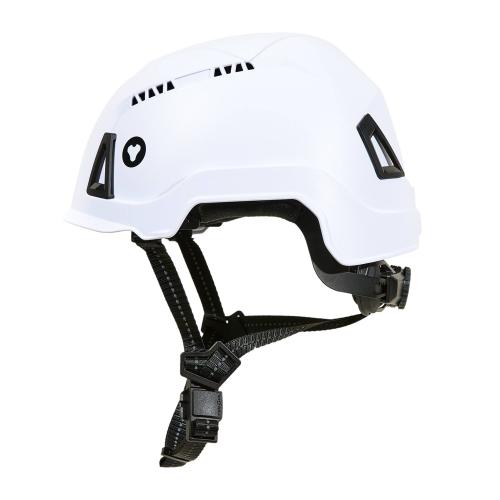
The Hardknock Credence uses a no-brim, lower-profile design with Nuro technology. It is available in vented Class C and non-vented Class E configurations.
The Credence may be a good option for employees who prefer:
- A clear upward field of view
- A compact profile for tight work areas
- A helmet style suited to climbing and frequent movement
- Vented and non-vented electrical-class choices
Securis SEC24 Full Brim
The Securis SEC24 combines a traditional full-brim profile with Type II protection. TPR offers Securis helmets with Mips® technology, which is designed to allow relative movement within the helmet during certain angled impacts.
The SEC24 may be a good option for employees who prefer:
- A full-brim helmet shape
- Class C or Class E options
- An adjustable helmet-style retention system
- A Mips®-equipped Type II option
Securis SEC23 Micro Brim and SEC25 Front Brim
The Securis SEC23 and SEC25 provide alternatives for employees who do not want a full brim. The SEC23 uses a micro-brim profile, while the SEC25 provides a more traditional front brim.
These models may be useful when a crew wants:
- A smaller brim profile than a full-brim helmet
- A choice between micro-brim and front-brim designs
- Class C or Class E configurations
- Mips®-equipped Type II protection
Explore the complete Type II safety helmet selection to compare current styles, classes, colors, and accessories.
Nuro vs. Mips®: Does the Technology Affect Comfort?
Nuro and Mips® are different helmet technologies designed to address forces associated with certain angled impacts. Their presence does not determine which helmet will feel most comfortable to a particular wearer.
Comfort still depends on the complete helmet design, fit system, padding, ventilation, shell profile, chinstrap, accessories, and the employee's head shape. Read our Mips® vs. Nuro comparison for a closer look at how the technologies differ.
How to Evaluate Helmet Comfort Before Outfitting a Crew
The most reliable way to compare comfort is to have employees wear properly fitted samples during realistic work activities.
- Confirm the required protection. Select the proper impact type and electrical class before comparing comfort.
- Fit each helmet correctly. Adjust the suspension and chinstrap according to the manufacturer's instructions.
- Wear the complete PPE setup. Include glasses, hearing protection, face shields, lights, hoods, or other equipment normally used.
- Move through normal tasks. Bend, climb, look up, turn the head, and work in typical positions.
- Check for pressure and movement. Note slipping, rocking, hot spots, pinching, blocked visibility, or interference with other PPE.
- Collect feedback from several employees. One person's preferred helmet may not represent the entire crew.
A short field evaluation can be more valuable than choosing solely from specifications or helmet weight.
How to Improve Comfort After the Helmet Is Selected
- Adjust the suspension so it is secure without being overtightened.
- Center the helmet and balance the chinstrap adjustment on both sides.
- Clean or replace sweatbands and comfort pads as permitted by the manufacturer.
- Remove unnecessary accessories that add weight or affect balance.
- Use only compatible cooling, sun, hearing, lighting, and face-protection accessories.
- Inspect the shell, suspension, padding, chinstrap, and adjustment system before use.
- Replace damaged or worn components with manufacturer-approved parts.
Do not drill holes, alter the shell, or add unapproved padding, liners, stickers, paint, or accessories that could affect the helmet's fit or performance.
Frequently Asked Questions About Comfortable Hard Hats
What is the most comfortable hard hat?
There is no universal answer. The most comfortable model is the one that provides the required protection while fitting the individual wearer securely, distributing weight evenly, and working with the rest of the employee's PPE.
Are lighter safety helmets always more comfortable?
No. Lower weight may help, but balance, suspension pressure, helmet shape, chinstrap adjustment, and accessory placement can have an equal or greater effect on comfort.
Are vented hard hats safer?
Not automatically. Vents may improve airflow, but vented Class C helmets provide no electrical protection. Choose a vented or non-vented model based on the workplace hazards and required electrical class.
Is a full-brim helmet more comfortable?
That depends on the wearer and the job. Full brims provide added coverage, while micro-brim, front-brim, and no-brim models may provide better visibility or a more compact profile for certain tasks.
Can a chinstrap make a helmet more comfortable?
A properly adjusted chinstrap can improve stability and reduce helmet movement. An overtightened, twisted, or poorly positioned strap can create discomfort, so correct adjustment is important.
Do Mips® or Nuro automatically make a helmet more comfortable?
No. They are impact-management technologies, not comfort ratings. Comfort must be evaluated based on the complete helmet design and the individual wearer.
Can helmet accessories affect comfort?
Yes. Lights, earmuffs, face shields, visors, sun shades, liners, and other accessories can change weight, balance, airflow, pressure, and compatibility with other PPE.
Should employees try on helmets before a company-wide purchase?
When practical, a sample evaluation is a smart way to compare fit and comfort across different employees, work tasks, and PPE combinations before standardizing on a model.
Find the Right Type II Safety Helmet for Your Crew
TPR Industrial carries Hardknock Resolve and Credence helmets with Nuro technology, along with Securis SEC23, SEC24, and SEC25 helmets with Mips® technology.
- Shop Hardknock Type II Safety Helmets
- Shop Securis Type II Safety Helmets
- Shop All Type II Helmets and Accessories
Need help comparing fit, brim style, ventilation, electrical class, or accessories? Contact TPR Industrial or call 503-353-7676.
Featured Comfortable Type II Safety Helmet Options
Compare current full-brim, no-brim, micro-brim, and front-brim options from Hardknock and Securis below.