 English
 Español
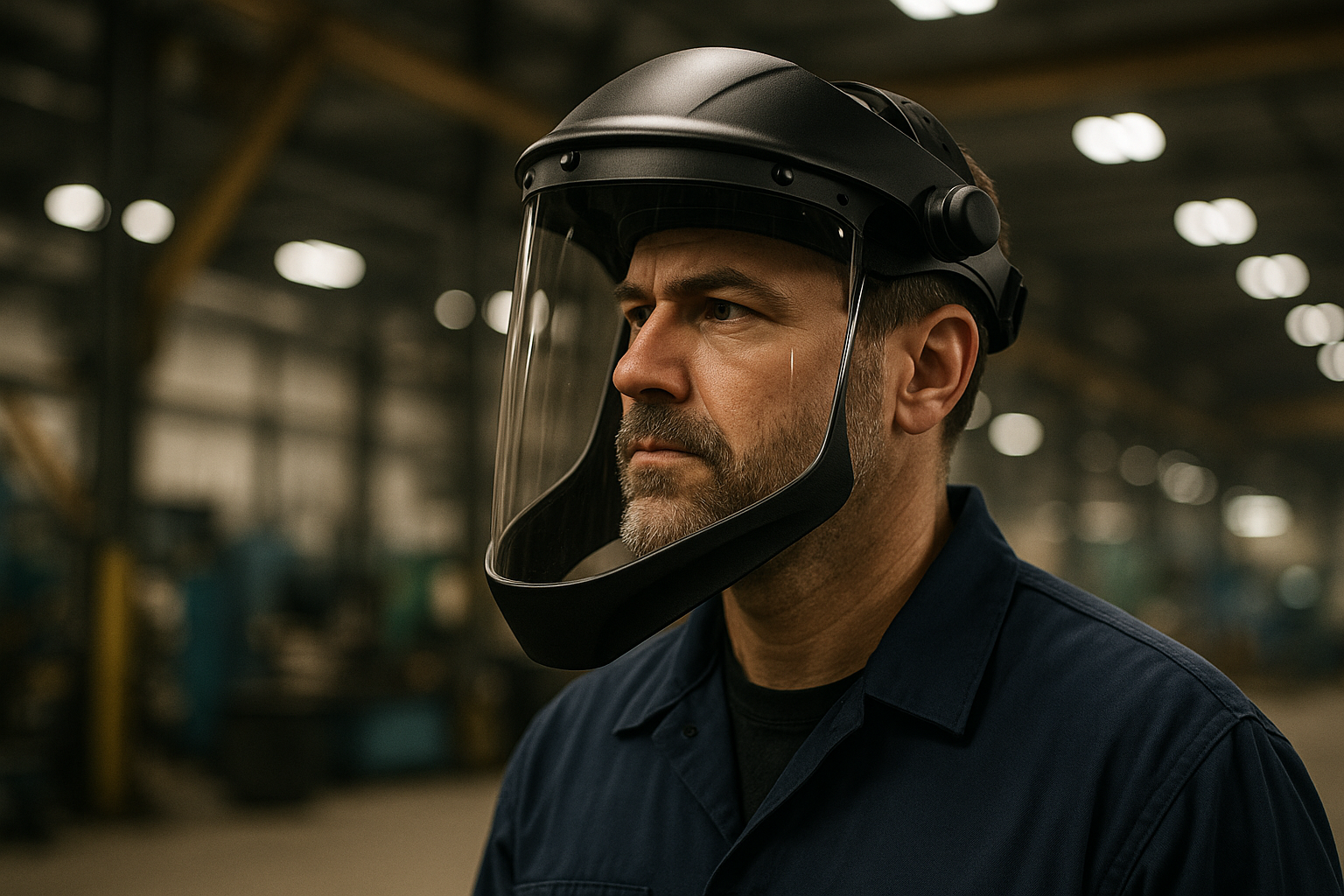
When it comes to face protection on demanding job sites, not all face shields are created equal. If you’ve ever worn a bulky, uncomfortable shield that fogs up, shifts during movement, or gets ditched halfway through a shift, you already know the problem. That’s where bionic shields come in.
A bionic shield is a modern, ergonomically engineered face shield designed to provide enhanced protection without sacrificing comfort, visibility, or compatibility with other PPE. These shields are built for real-world industrial use, long shifts, tough environments, and workers who need protection that actually stays on.
Below, we’ll break down what a bionic shield is, how it works, and how to choose the right one for your job site.
What Is a Bionic Shield?
A bionic shield is an advanced type of industrial face shield that combines lightweight materials, ergonomic balance, and high-impact protection into a single system. Unlike traditional flat face shields, bionic shields are contoured and engineered to better deflect debris while maintaining excellent optics.
Most bionic shields are designed to protect against:
- Flying and falling debris
- High-impact hazards
- Chemical splashes
- Airborne particles
- Certain infrared welding exposure
Importantly, bionic shields are considered secondary face protection, meaning they must be worn alongside approved safety glasses or goggles for full compliance.
At TPR Industrial, bionic shields are commonly paired with other PPE like hard hats, safety helmets, and respiratory protection, making them ideal for construction, manufacturing, utilities, and industrial maintenance environments. You can explore compatible options directly in TPR’s face protection collection.
What Makes a Bionic Shield Different From a Standard Face Shield?
Traditional face shields often prioritize coverage but overlook wearability. Bionic shields are different because they’re designed around the worker.
Ergonomic, Balanced Design
Bionic shields are engineered to distribute weight evenly across the head or helmet, reducing neck fatigue during long shifts. This balance is a major reason workers are more likely to keep them on.
Superior Optical Clarity
High-quality bionic shields use polycarbonate visors with excellent light transmission and minimal distortion, helping reduce eye strain and improve task accuracy.
Replaceable Visors
Most bionic shields feature easily replaceable visors, allowing workers to swap out scratched or damaged lenses without replacing the entire unit — a cost-effective and practical advantage for safety managers.
Compatibility With Other PPE
Bionic shields are designed to work seamlessly with:
- Safety glasses and goggles
- Respirators
- Hard hats and safety helmets
This makes them ideal for layered PPE setups, especially when used with certified Type I and Type II hard hats such as those found in TPR Industrial’s head protection collection.
Common Types of Bionic Shields
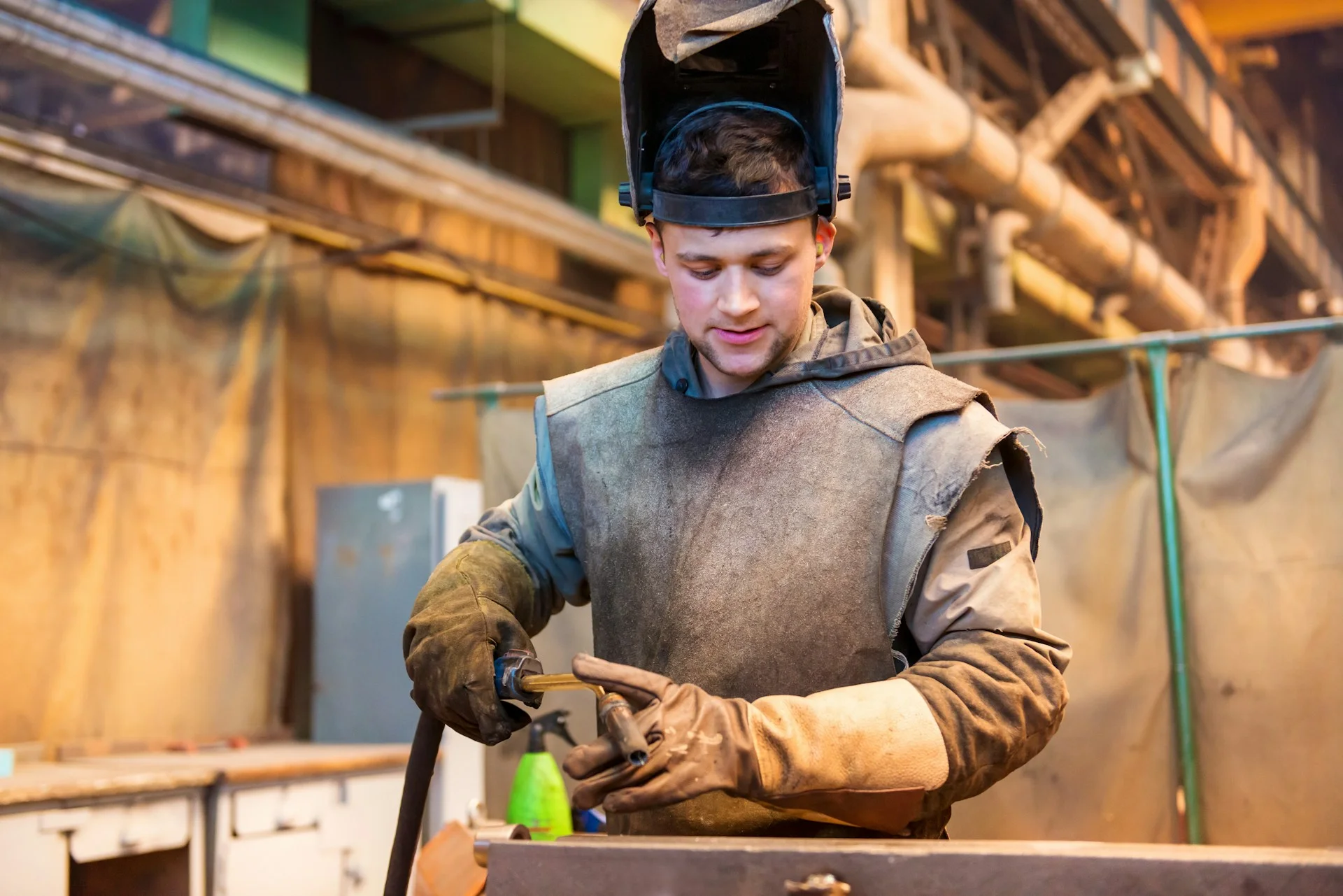
Not all bionic shields are identical. Choosing the right configuration depends on how and where the shield will be used.
Headgear-Mounted Bionic Shields
These come with their own suspension system and are worn independently. They’re best for tasks where hard hats aren’t required but face protection is essential.
Hard Hat-Mounted Bionic Shields
These attach directly to compatible hard hats using adapters. They’re popular on construction sites and industrial facilities where head protection is already mandatory.
TPR Industrial carries bionic shield systems designed to integrate cleanly with professional hard hats and safety helmets, including Type II head protection for environments with lateral impact risk.
What Hazards Does a Bionic Shield Protect Against?
A bionic shield is designed for high-risk industrial environments. Typical protection includes:
- Impact protection from flying debris
- Chemical splash protection for industrial fluids
- Airborne particulate defense
- Welding-related infrared exposure (model-specific)
Most bionic shields meet or exceed ANSI Z87+ (High Impact) and CSA Z94.3 standards, making them suitable for regulated job sites across Canada and the U.S.
For environments with combined head and face hazards, pairing a bionic shield with a compliant industrial hard hat helps ensure layered protection without compromising comfort.
How to Choose the Right Bionic Shield
Choosing the right bionic shield isn’t just about price, it’s about fit, compliance, and real-world usability.
Identify Your Primary Hazards
Are workers exposed to debris, chemical splash, grinding, or welding light? Different visor materials and designs offer varying levels of protection.
Decide on Mounting Style
If hard hats are required, a hard hat-mounted bionic shield is usually the most practical option. For lighter-duty environments, a headgear-mounted system may suffice.
Check Compatibility With Existing PPE
Ensure the shield works comfortably with safety glasses, respirators, and other required equipment. Poor compatibility is one of the main reasons PPE goes unused.
Look for Replaceable Components
Replaceable visors and washable sweatbands reduce long-term costs and keep PPE hygienic, especially important for shared equipment.
Verify Certifications
Always confirm the shield meets applicable safety standards like ANSI Z87+ and CSA Z94.3 before deploying it on site.
Why Buy a Bionic Shield From TPR Industrial?
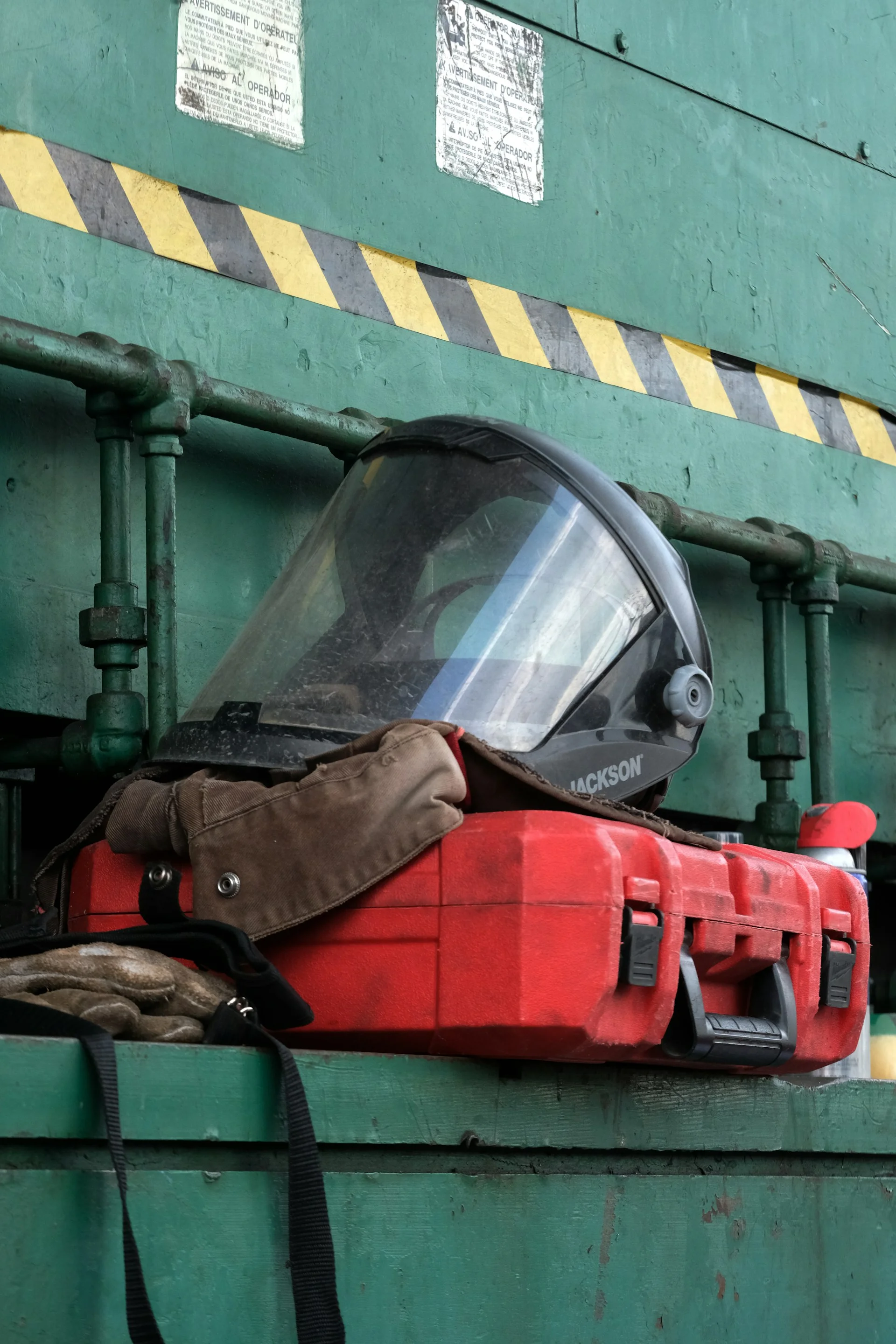
TPR Industrial specializes in industrial-grade PPE designed for real job-site conditions — not consumer-grade shortcuts. When you source a bionic shield through TPR Industrial, you get:
- Trusted, compliance-ready equipment
- Compatibility with professional hard hats and safety helmets
- PPE designed for comfort, durability, and long shifts
- Expert support to help you choose the right configuration
Final Thoughts: Is a Bionic Shield Worth It?
If your team works around flying debris, chemical splash, or impact hazards, a bionic shield is absolutely worth it. Its ergonomic design, superior visibility, and compatibility with other PPE make it a smart upgrade from traditional face shields.
The right bionic shield doesn’t just protect — it gets worn. And that’s what ultimately keeps workers safer.
When it comes to face protection on demanding job sites, not all face shields are created equal. If you’ve ever worn a bulky, uncomfortable shield that fogs up, shifts during movement, or gets ditched halfway through a shift, you already know the problem. That’s where bionic shields come in.
A bionic shield is a modern, ergonomically engineered face shield designed to provide enhanced protection without sacrificing comfort, visibility, or compatibility with other PPE. These shields are built for real-world industrial use, long shifts, tough environments, and workers who need protection that actually stays on.
Below, we’ll break down what a bionic shield is, how it works, and how to choose the right one for your job site.
What Is a Bionic Shield?
A bionic shield is an advanced type of industrial face shield that combines lightweight materials, ergonomic balance, and high-impact protection into a single system. Unlike traditional flat face shields, bionic shields are contoured and engineered to better deflect debris while maintaining excellent optics.
Most bionic shields are designed to protect against:
- Flying and falling debris
- High-impact hazards
- Chemical splashes
- Airborne particles
- Certain infrared welding exposure
Importantly, bionic shields are considered secondary face protection, meaning they must be worn alongside approved safety glasses or goggles for full compliance.
At TPR Industrial, bionic shields are commonly paired with other PPE like hard hats, safety helmets, and respiratory protection, making them ideal for construction, manufacturing, utilities, and industrial maintenance environments. You can explore compatible options directly in TPR’s face protection collection.
What Makes a Bionic Shield Different From a Standard Face Shield?
Traditional face shields often prioritize coverage but overlook wearability. Bionic shields are different because they’re designed around the worker.
Ergonomic, Balanced Design
Bionic shields are engineered to distribute weight evenly across the head or helmet, reducing neck fatigue during long shifts. This balance is a major reason workers are more likely to keep them on.
Superior Optical Clarity
High-quality bionic shields use polycarbonate visors with excellent light transmission and minimal distortion, helping reduce eye strain and improve task accuracy.
Replaceable Visors
Most bionic shields feature easily replaceable visors, allowing workers to swap out scratched or damaged lenses without replacing the entire unit — a cost-effective and practical advantage for safety managers.
Compatibility With Other PPE
Bionic shields are designed to work seamlessly with:
- Safety glasses and goggles
- Respirators
- Hard hats and safety helmets
This makes them ideal for layered PPE setups, especially when used with certified Type I and Type II hard hats such as those found in TPR Industrial’s head protection collection.
Common Types of Bionic Shields
Not all bionic shields are identical. Choosing the right configuration depends on how and where the shield will be used.
Headgear-Mounted Bionic Shields
These come with their own suspension system and are worn independently. They’re best for tasks where hard hats aren’t required but face protection is essential.
Hard Hat-Mounted Bionic Shields
These attach directly to compatible hard hats using adapters. They’re popular on construction sites and industrial facilities where head protection is already mandatory.
TPR Industrial carries bionic shield systems designed to integrate cleanly with professional hard hats and safety helmets, including Type II head protection for environments with lateral impact risk.
What Hazards Does a Bionic Shield Protect Against?
A bionic shield is designed for high-risk industrial environments. Typical protection includes:
- Impact protection from flying debris
- Chemical splash protection for industrial fluids
- Airborne particulate defense
- Welding-related infrared exposure (model-specific)
Most bionic shields meet or exceed ANSI Z87+ (High Impact) and CSA Z94.3 standards, making them suitable for regulated job sites across Canada and the U.S.
For environments with combined head and face hazards, pairing a bionic shield with a compliant industrial hard hat helps ensure layered protection without compromising comfort.
How to Choose the Right Bionic Shield
Choosing the right bionic shield isn’t just about price, it’s about fit, compliance, and real-world usability.
Identify Your Primary Hazards
Are workers exposed to debris, chemical splash, grinding, or welding light? Different visor materials and designs offer varying levels of protection.
Decide on Mounting Style
If hard hats are required, a hard hat-mounted bionic shield is usually the most practical option. For lighter-duty environments, a headgear-mounted system may suffice.
Check Compatibility With Existing PPE
Ensure the shield works comfortably with safety glasses, respirators, and other required equipment. Poor compatibility is one of the main reasons PPE goes unused.
Look for Replaceable Components
Replaceable visors and washable sweatbands reduce long-term costs and keep PPE hygienic, especially important for shared equipment.
Verify Certifications
Always confirm the shield meets applicable safety standards like ANSI Z87+ and CSA Z94.3 before deploying it on site.
Why Buy a Bionic Shield From TPR Industrial?
TPR Industrial specializes in industrial-grade PPE designed for real job-site conditions — not consumer-grade shortcuts. When you source a bionic shield through TPR Industrial, you get:
- Trusted, compliance-ready equipment
- Compatibility with professional hard hats and safety helmets
- PPE designed for comfort, durability, and long shifts
- Expert support to help you choose the right configuration
Final Thoughts: Is a Bionic Shield Worth It?
If your team works around flying debris, chemical splash, or impact hazards, a bionic shield is absolutely worth it. Its ergonomic design, superior visibility, and compatibility with other PPE make it a smart upgrade from traditional face shields.
The right bionic shield doesn’t just protect — it gets worn. And that’s what ultimately keeps workers safer.
