 English
 Español
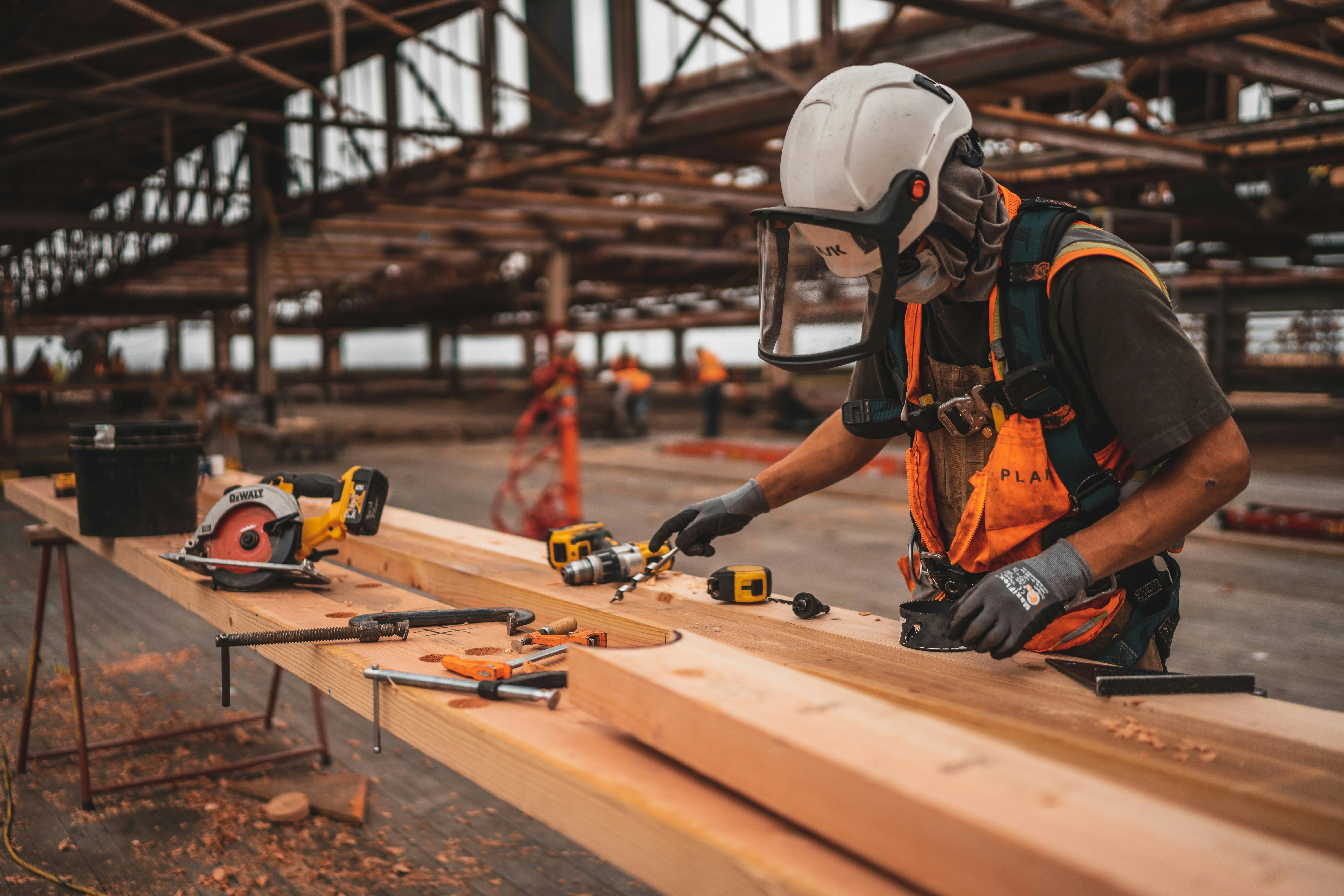
Eye injuries are one of the most preventable incidents on any job site, yet they remain a leading cause of lost time across construction, manufacturing, utilities, and chemical processing. The function of safety glasses is not just to cover the eyes. The goal is to create a rated barrier specifically engineered for the hazards your crew faces. When that match is wrong, the gear fails before the hazard ever makes contact.
If you are building or reviewing your PPE program, TPR Industrial carries eye protection and face built for the environments where your team actually works.
Why Eye Injuries Happen on Jobsites
Flying particles and chemical splashes cause the overwhelming majority of occupational eye injuries. NIOSH eye safety data shows that most incidents happen when workers are not wearing any protection at all, not because the eyewear failed. The gear works. Getting people to wear it is where most programs fall short.
OSHA Eye Protection Requirements Explained
The standard applies wherever there is a reasonable probability of injury from flying particles, molten metal, liquid chemicals, acids, caustic liquids, or injurious light radiation. Meeting OSHA safety glasses requirements means every product on site must carry ANSI Z87.1 certification. Under these regulations, compliance is determined by matching equipment ratings to specific environmental hazards. Eyewear without the correct marking for the task does not qualify as compliant protection.
Performance Standards for Eye Protection
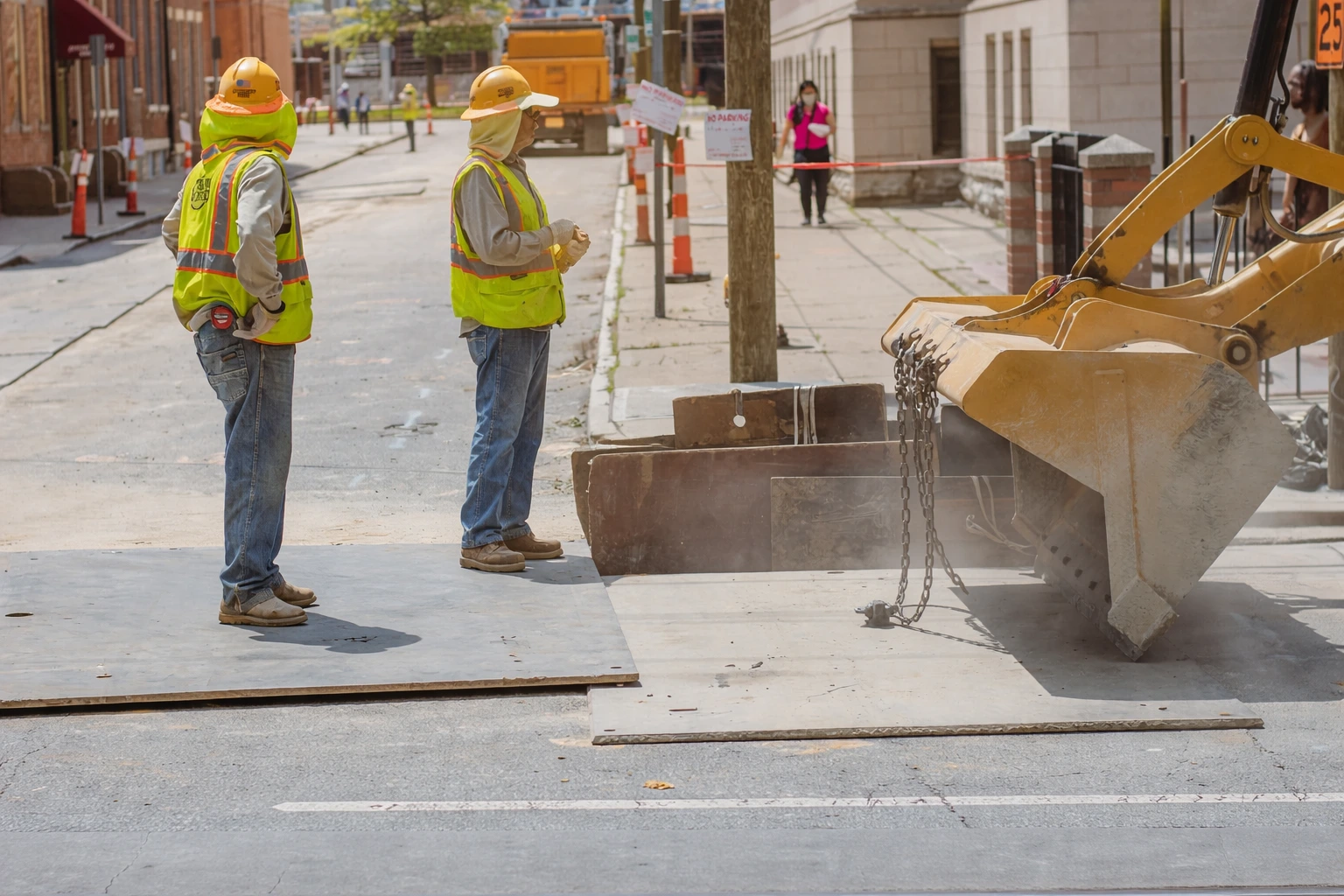
Most people define safety glasses by what they look like. The correct definition is what they are rated to stop. Each ANSI designation maps to a specific threat category, and selection always starts with the hazard.
Impact Protection and ANSI Z87.1 Rating
Polycarbonate safety glasses are the industrial standard because polycarbonate absorbs ballistic energy rather than fracturing on contact. The ANSI Z87.1+ marking indicates high-impact certification, required wherever pneumatic tools, high-RPM grinding, or heavy machining are part of the workload.
Within this framework, the ANSI standard also uses a system of letter codes, such as the D series for non-impact hazards, to identify what each lens is designed to resist. A lens without the high impact marking does not meet OSHA protective eyewear requirements for these specific mechanical risks.
Chemical Splash and Liquid Resistance
While impact protection is the most common requirement, the specialized ratings for non-impact hazards ensure protection against liquid threats. When the hazard is liquid, open-frame glasses leave the eye exposed from below and the sides.
The D3 marking confirms protection against liquid droplets and splashes, which are small amounts of liquid that can fall or be thrown onto surfaces, through a sealed frame design. The same hazard-specific logic applies to hand protection, covered in our guide on gloves for hazardous chemical work.
Anti-Fog Safety Glasses for Workplace Compliance
Glasses that fog up get taken off. Workers moving between temperature zones, at high exertion, or wearing respiratory protection create conditions standard lenses cannot handle. That is when anti-fog safety glasses make the difference between gear that stays on and a compliance gap that does not show up until someone gets hurt. If your crew removes eyewear during active work, the answer is a different product, not a stricter policy.
Types of Safety Glasses and Eye Protection
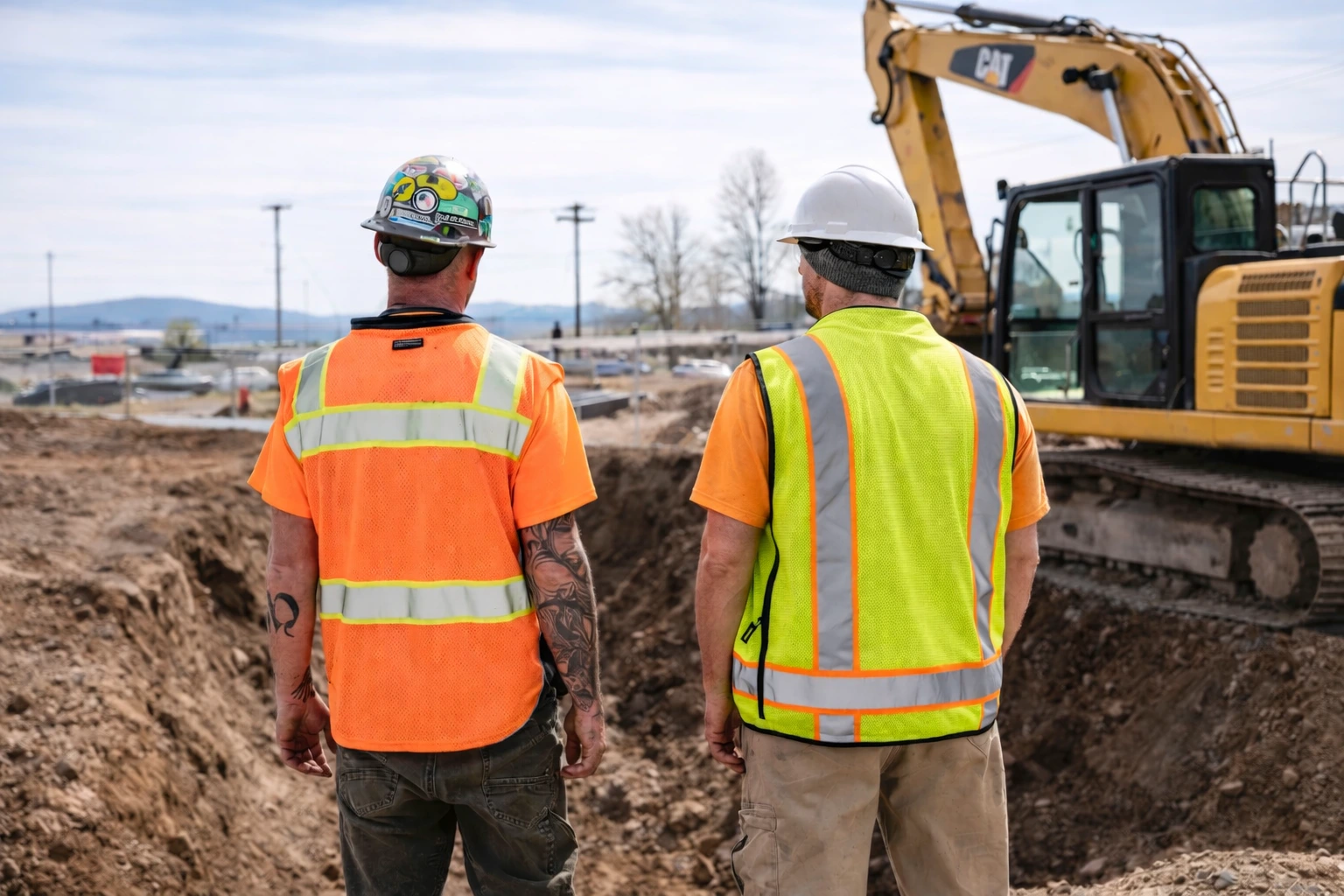
Each type below is built for a specific hazard. It is vital to understand that these options protect against different threats and do not cover for each other. Using the wrong gear means the hazard reaches the eye without obstruction.
- General-purpose safety glasses: handle frontal and partial side impact from flying particles. While they are the standard for most environments, these models are not sealed against liquid or fine dust. Effective eye protection for construction begins with these units but requires additional specialized gear when airborne debris or chemicals are present.
- Safety goggles: create a sealed perimeter around the eye. Safety goggles are necessary when there is a risk of liquid, vapor, or fine airborne particles approaching from any direction.
- Face shields: cover the entire face against splashes and larger impact hazards. Face shields should always be worn alongside primary eye protection, never in place of it. The OSHA eye and face protection standard is clear on this point.
When choosing between these formats, our high-visibility workwear guide follows the same hazard-first logic used across all critical PPE categories.
How to Select Safety Glasses Based on Hazard
The purpose of safety glasses is only fulfilled when the equipment matches the threat. Understanding the safety glasses' meaning involves verifying the stamped markings against your site assessment.
To ensure your team is protected, follow this streamlined process:
- Identify the Threat: Determine when safety glasses should be worn based on whether the risk is impact, chemical, or radiation.
- Match the ANSI Code: Look for the specific letter (like D3 for splash or a shade number for welding) to avoid a "compliance appearance" that offers no actual protection.
- Verify Prescription Needs: Standard prescription glasses are not a substitute for safety eyewear. Workers requiring correction must use prescription safety frames that carry the ANSI Z87.1 mark.
- Confirm the Fit: Ensure the safety glasses required for the job fit the worker's face shape to prevent gaps and ensure they aren't discarded due to discomfort.
If you are building out a full PPE program, our guide on construction safety gear covers how eye protection fits alongside head, hand, and body protection.
Prescription Safety Glasses for Workers
Not every worker on your crew has standard vision. Prescription safety glasses are the only compliant solution for workers who need correction. Standard prescription frames under over the glass safety eyewear create fit gaps and do not meet ANSI Z87.1. Prescription safety frames are available in impact, chemical, and specialty categories.
Choosing the Right Safety Glasses for Your Jobsite
Getting eye protection right is not just about buying compliant gear. It is about matching the right product to the right hazard, making sure your crew actually wears it, and knowing when glasses alone are not enough.
The function of safety glasses covers a lot of ground, and the ANSI marking system gives you the framework to make those decisions with confidence. If your team needs help selecting the right eyewear for your specific site conditions, reach out to TPR Industrial, and we will work through it with you.
FAQs About Jobsite Eye Safety
What are safety glasses?
In an industrial context, safety glasses are pieces of eyewear specifically tested and rated to resist high-velocity impacts, chemical splashes, or hazardous light radiation, meeting ANSI Z87.1 standards.
Is eye protection mandatory for construction sites?
Yes. OSHA 29 CFR 1926.102 requires eye and face protection wherever there is a reasonable probability of injury. All eyewear must meet ANSI Z87.1 to be compliant.
What Is the Difference Between Safety Glasses and Safety Goggles?
Safety glasses handle frontal and partial side impact. Goggles seal around the eye and are required when the threat can come from any direction.
Can Workers Use Regular Prescription Glasses as Eye Protection?
No. Standard prescription glasses do not meet ANSI Z87.1 and are not OSHA compliant. Workers who need correction must use prescription safety glasses rated to the same standards.
Eye injuries are one of the most preventable incidents on any job site, yet they remain a leading cause of lost time across construction, manufacturing, utilities, and chemical processing. The function of safety glasses is not just to cover the eyes. The goal is to create a rated barrier specifically engineered for the hazards your crew faces. When that match is wrong, the gear fails before the hazard ever makes contact.
If you are building or reviewing your PPE program, TPR Industrial carries eye protection and face built for the environments where your team actually works.
Why Eye Injuries Happen on Jobsites
Flying particles and chemical splashes cause the overwhelming majority of occupational eye injuries. NIOSH eye safety data shows that most incidents happen when workers are not wearing any protection at all, not because the eyewear failed. The gear works. Getting people to wear it is where most programs fall short.
OSHA Eye Protection Requirements Explained
The standard applies wherever there is a reasonable probability of injury from flying particles, molten metal, liquid chemicals, acids, caustic liquids, or injurious light radiation. Meeting OSHA safety glasses requirements means every product on site must carry ANSI Z87.1 certification. Under these regulations, compliance is determined by matching equipment ratings to specific environmental hazards. Eyewear without the correct marking for the task does not qualify as compliant protection.
Performance Standards for Eye Protection
Most people define safety glasses by what they look like. The correct definition is what they are rated to stop. Each ANSI designation maps to a specific threat category, and selection always starts with the hazard.
Impact Protection and ANSI Z87.1 Rating
Polycarbonate safety glasses are the industrial standard because polycarbonate absorbs ballistic energy rather than fracturing on contact. The ANSI Z87.1+ marking indicates high-impact certification, required wherever pneumatic tools, high-RPM grinding, or heavy machining are part of the workload.
Within this framework, the ANSI standard also uses a system of letter codes, such as the D series for non-impact hazards, to identify what each lens is designed to resist. A lens without the high impact marking does not meet OSHA protective eyewear requirements for these specific mechanical risks.
Chemical Splash and Liquid Resistance
While impact protection is the most common requirement, the specialized ratings for non-impact hazards ensure protection against liquid threats. When the hazard is liquid, open-frame glasses leave the eye exposed from below and the sides.
The D3 marking confirms protection against liquid droplets and splashes, which are small amounts of liquid that can fall or be thrown onto surfaces, through a sealed frame design. The same hazard-specific logic applies to hand protection, covered in our guide on gloves for hazardous chemical work.
Anti-Fog Safety Glasses for Workplace Compliance
Glasses that fog up get taken off. Workers moving between temperature zones, at high exertion, or wearing respiratory protection create conditions standard lenses cannot handle. That is when anti-fog safety glasses make the difference between gear that stays on and a compliance gap that does not show up until someone gets hurt. If your crew removes eyewear during active work, the answer is a different product, not a stricter policy.
Types of Safety Glasses and Eye Protection
Each type below is built for a specific hazard. It is vital to understand that these options protect against different threats and do not cover for each other. Using the wrong gear means the hazard reaches the eye without obstruction.
- General-purpose safety glasses: handle frontal and partial side impact from flying particles. While they are the standard for most environments, these models are not sealed against liquid or fine dust. Effective eye protection for construction begins with these units but requires additional specialized gear when airborne debris or chemicals are present.
- Safety goggles: create a sealed perimeter around the eye. Safety goggles are necessary when there is a risk of liquid, vapor, or fine airborne particles approaching from any direction.
- Face shields: cover the entire face against splashes and larger impact hazards. Face shields should always be worn alongside primary eye protection, never in place of it. The OSHA eye and face protection standard is clear on this point.
When choosing between these formats, our high-visibility workwear guide follows the same hazard-first logic used across all critical PPE categories.
How to Select Safety Glasses Based on Hazard
The purpose of safety glasses is only fulfilled when the equipment matches the threat. Understanding the safety glasses' meaning involves verifying the stamped markings against your site assessment.
To ensure your team is protected, follow this streamlined process:
- Identify the Threat: Determine when safety glasses should be worn based on whether the risk is impact, chemical, or radiation.
- Match the ANSI Code: Look for the specific letter (like D3 for splash or a shade number for welding) to avoid a "compliance appearance" that offers no actual protection.
- Verify Prescription Needs: Standard prescription glasses are not a substitute for safety eyewear. Workers requiring correction must use prescription safety frames that carry the ANSI Z87.1 mark.
- Confirm the Fit: Ensure the safety glasses required for the job fit the worker's face shape to prevent gaps and ensure they aren't discarded due to discomfort.
If you are building out a full PPE program, our guide on construction safety gear covers how eye protection fits alongside head, hand, and body protection.
Prescription Safety Glasses for Workers
Not every worker on your crew has standard vision. Prescription safety glasses are the only compliant solution for workers who need correction. Standard prescription frames under over the glass safety eyewear create fit gaps and do not meet ANSI Z87.1. Prescription safety frames are available in impact, chemical, and specialty categories.
Choosing the Right Safety Glasses for Your Jobsite
Getting eye protection right is not just about buying compliant gear. It is about matching the right product to the right hazard, making sure your crew actually wears it, and knowing when glasses alone are not enough.
The function of safety glasses covers a lot of ground, and the ANSI marking system gives you the framework to make those decisions with confidence. If your team needs help selecting the right eyewear for your specific site conditions, reach out to TPR Industrial, and we will work through it with you.
FAQs About Jobsite Eye Safety
What are safety glasses?
In an industrial context, safety glasses are pieces of eyewear specifically tested and rated to resist high-velocity impacts, chemical splashes, or hazardous light radiation, meeting ANSI Z87.1 standards.
Is eye protection mandatory for construction sites?
Yes. OSHA 29 CFR 1926.102 requires eye and face protection wherever there is a reasonable probability of injury. All eyewear must meet ANSI Z87.1 to be compliant.
What Is the Difference Between Safety Glasses and Safety Goggles?
Safety glasses handle frontal and partial side impact. Goggles seal around the eye and are required when the threat can come from any direction.
Can Workers Use Regular Prescription Glasses as Eye Protection?
No. Standard prescription glasses do not meet ANSI Z87.1 and are not OSHA compliant. Workers who need correction must use prescription safety glasses rated to the same standards.
