 English
 Español

Handling chemicals on construction sites, in manufacturing plants, automotive shops, or industrial facilities exposes workers to materials that can burn, irritate, or damage skin. Choosing the right hand protection gloves is essential, especially when dealing with oils, fuels, solvents, cleaners, lubricants, or metalworking fluids.
So, what type of gloves protects your hands from hazardous chemicals? It depends entirely on the chemical. No single glove works for every substance, but certain materials are engineered to defend against specific hazards.
Quick Answer: The Best Gloves for Hazardous Chemicals

Different glove materials protect against different categories of chemicals. Here’s the short breakdown:
- Nitrile – Oils, fuels, lubricants, grease, many solvents
- Neoprene – Acids, caustics, corrosive cleaners
- PVC – Mild acids, salts, water-based chemicals
- Butyl Rubber – Ketones, esters, strong industrial solvents
- Specialty Materials (PVA, fluoroelastomers) – Highly aggressive solvents
Always check the SDS to confirm compatibility for the specific chemical.
Understanding the Most Common Chemical-Resistant Materials
Nitrile
Nitrile is the workhorse of industrial hand protection. It resists oils, solvents, grease, and fuels better than latex and provides strong durability and grip. It’s ideal for most shop and field environments.
Latex
Latex offers great dexterity but breaks down when exposed to petroleum-based chemicals. It’s more suited to medical or light cleaning tasks than industrial work.
Neoprene
Neoprene protects against acids, bases, and many corrosives. It remains flexible in various temperatures, making it reliable both indoors and outdoors.
PVC
PVC gloves work well for mild chemicals, salt solutions, and cleaning products. They’re common in sanitation, maintenance, and light industrial work.
Butyl Rubber
Butyl gloves provide the highest resistance to aggressive solvents like acetone or MEK. These are used in chemical processing and hazmat—not routine field tasks.
PVA / Fluoroelastomers
These specialty materials resist extremely strong solvents. They’re used only in specialized industrial or laboratory settings.
Where TPR Industrial Gloves Fit Into Chemical Protection

Most real-world jobsite chemical exposure isn’t hazmat-level. Workers deal with oils, lubricants, fuels, solvents, coolants, adhesives, and shop chemicals—not concentrated industrial solvents.
This is exactly where TPR Industrial’s glove lineup excels.
Nitrile-Coated Work Gloves
Many of our bestselling gloves feature a nitrile-coated palm and fingertips, including:
These gloves add oil resistance, grip on wet/oily surfaces, and a protective barrier against light chemical splash. They’re ideal for automotive repair, equipment maintenance, utilities, warehousing, and general construction.
How to Choose the Right Chemical-Resistant Gloves
Choosing chemical-resistant gloves isn’t just about picking a material, it’s about understanding the task.
- Start by reviewing the SDS for the chemical you’re working with so you know exactly what kind of protection you need.
- From there, check how long a glove material can resist that chemical before it begins to break down. Thickness, grip, and flexibility also play a major role, especially if you’re working with tools or need a high level of control.
- And always think about your level of exposure: are you dealing with a quick splash, light handling, or full immersion? Each situation requires a different glove choice.
Best Practices for Using Chemical-Resistant Gloves
To get the most protection out of chemical-resistant gloves, make inspection a routine. Look for any signs of damage or wear before you start working. Disposable gloves should be thrown out after each task, particularly if they’ve come into contact with oils or solvents.
When removing gloves, peel them off carefully to avoid touching any contaminated surfaces, and wash your hands afterward. Store gloves in a cool, dry place away from heat or sunlight so the materials stay strong and reliable.
FAQ: Gloves for Hazardous Chemicals
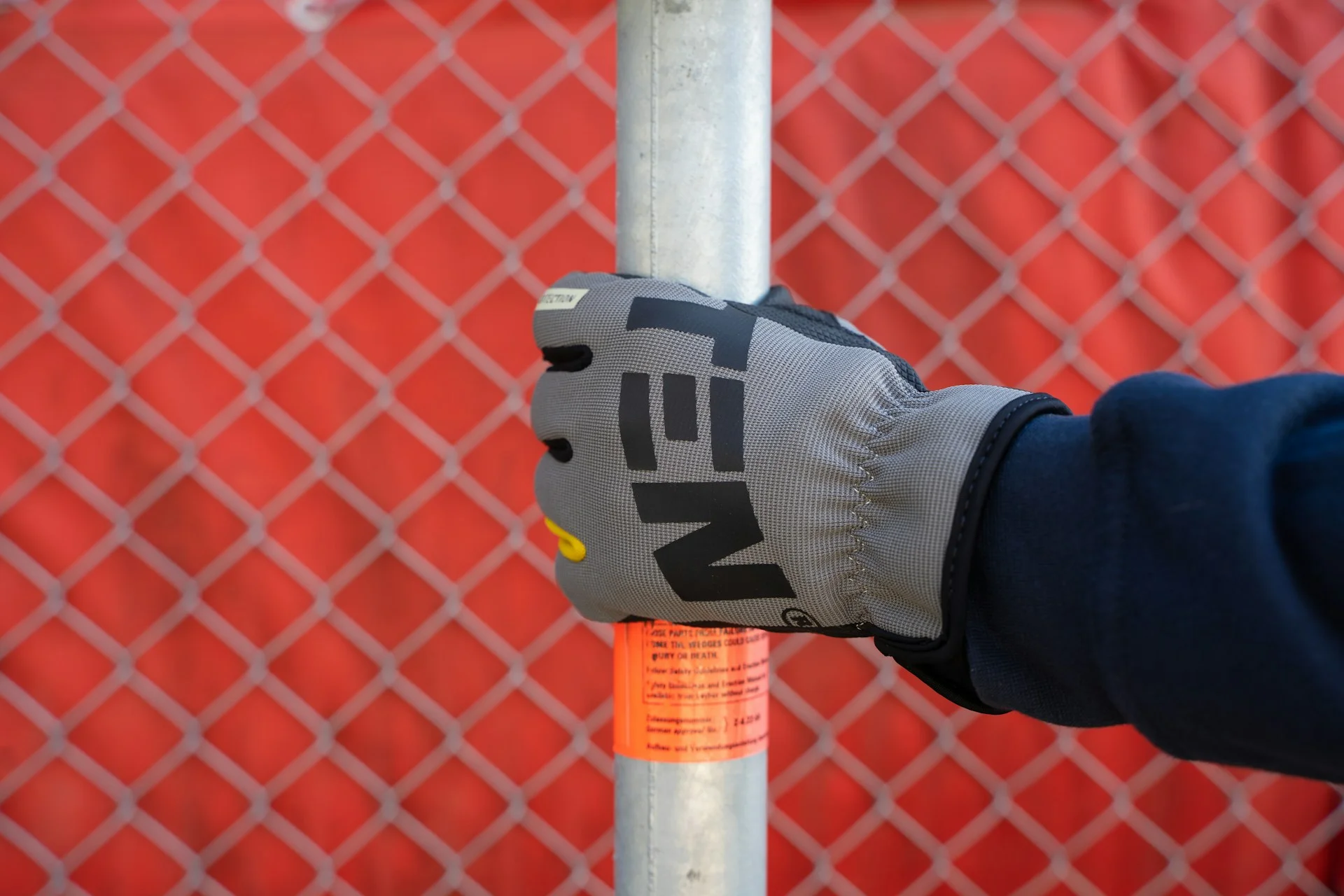
What type of gloves protects your hands from hazardous chemicals?
Nitrile, neoprene, PVC, butyl rubber, and certain specialty materials each protect against different chemicals. The right glove depends on the specific substance.
Are nitrile-coated work gloves chemical-resistant?
They protect against oils, lubricants, fuels, and some solvents. They’re not designed for full immersion in strong acids or aggressive solvents.
Which gloves protect against acetone or MEK?
Butyl rubber gloves offer the highest resistance to ketones.
Are disposable nitrile gloves good for chemical splash?
Yes. They offer better splash protection than latex or vinyl.
TPR Industrial: Reliable, Real-World Hand Protection
TPR Industrial supplies high-performance gloves built for the demands of field and shop environments. From nitrile-coated cut-resistant gloves to oil-resistant disposables, our selection supports crews working with chemicals, tools, machinery, and equipment every day.
Explore more PPE resources:
Handling chemicals on construction sites, in manufacturing plants, automotive shops, or industrial facilities exposes workers to materials that can burn, irritate, or damage skin. Choosing the right hand protection gloves is essential, especially when dealing with oils, fuels, solvents, cleaners, lubricants, or metalworking fluids.
So, what type of gloves protects your hands from hazardous chemicals? It depends entirely on the chemical. No single glove works for every substance, but certain materials are engineered to defend against specific hazards.
Quick Answer: The Best Gloves for Hazardous Chemicals
Different glove materials protect against different categories of chemicals. Here’s the short breakdown:
- Nitrile – Oils, fuels, lubricants, grease, many solvents
- Neoprene – Acids, caustics, corrosive cleaners
- PVC – Mild acids, salts, water-based chemicals
- Butyl Rubber – Ketones, esters, strong industrial solvents
- Specialty Materials (PVA, fluoroelastomers) – Highly aggressive solvents
Always check the SDS to confirm compatibility for the specific chemical.
Understanding the Most Common Chemical-Resistant Materials
Nitrile
Nitrile is the workhorse of industrial hand protection. It resists oils, solvents, grease, and fuels better than latex and provides strong durability and grip. It’s ideal for most shop and field environments.
Latex
Latex offers great dexterity but breaks down when exposed to petroleum-based chemicals. It’s more suited to medical or light cleaning tasks than industrial work.
Neoprene
Neoprene protects against acids, bases, and many corrosives. It remains flexible in various temperatures, making it reliable both indoors and outdoors.
PVC
PVC gloves work well for mild chemicals, salt solutions, and cleaning products. They’re common in sanitation, maintenance, and light industrial work.
Butyl Rubber
Butyl gloves provide the highest resistance to aggressive solvents like acetone or MEK. These are used in chemical processing and hazmat—not routine field tasks.
PVA / Fluoroelastomers
These specialty materials resist extremely strong solvents. They’re used only in specialized industrial or laboratory settings.
Where TPR Industrial Gloves Fit Into Chemical Protection
Most real-world jobsite chemical exposure isn’t hazmat-level. Workers deal with oils, lubricants, fuels, solvents, coolants, adhesives, and shop chemicals—not concentrated industrial solvents.
This is exactly where TPR Industrial’s glove lineup excels.
Nitrile-Coated Work Gloves
Many of our bestselling gloves feature a nitrile-coated palm and fingertips, including:
These gloves add oil resistance, grip on wet/oily surfaces, and a protective barrier against light chemical splash. They’re ideal for automotive repair, equipment maintenance, utilities, warehousing, and general construction.
How to Choose the Right Chemical-Resistant Gloves
Choosing chemical-resistant gloves isn’t just about picking a material, it’s about understanding the task.
- Start by reviewing the SDS for the chemical you’re working with so you know exactly what kind of protection you need.
- From there, check how long a glove material can resist that chemical before it begins to break down. Thickness, grip, and flexibility also play a major role, especially if you’re working with tools or need a high level of control.
- And always think about your level of exposure: are you dealing with a quick splash, light handling, or full immersion? Each situation requires a different glove choice.
Best Practices for Using Chemical-Resistant Gloves
To get the most protection out of chemical-resistant gloves, make inspection a routine. Look for any signs of damage or wear before you start working. Disposable gloves should be thrown out after each task, particularly if they’ve come into contact with oils or solvents.
When removing gloves, peel them off carefully to avoid touching any contaminated surfaces, and wash your hands afterward. Store gloves in a cool, dry place away from heat or sunlight so the materials stay strong and reliable.
FAQ: Gloves for Hazardous Chemicals
What type of gloves protects your hands from hazardous chemicals?
Nitrile, neoprene, PVC, butyl rubber, and certain specialty materials each protect against different chemicals. The right glove depends on the specific substance.
Are nitrile-coated work gloves chemical-resistant?
They protect against oils, lubricants, fuels, and some solvents. They’re not designed for full immersion in strong acids or aggressive solvents.
Which gloves protect against acetone or MEK?
Butyl rubber gloves offer the highest resistance to ketones.
Are disposable nitrile gloves good for chemical splash?
Yes. They offer better splash protection than latex or vinyl.
TPR Industrial: Reliable, Real-World Hand Protection
TPR Industrial supplies high-performance gloves built for the demands of field and shop environments. From nitrile-coated cut-resistant gloves to oil-resistant disposables, our selection supports crews working with chemicals, tools, machinery, and equipment every day.
Explore more PPE resources:
