 English
 Español
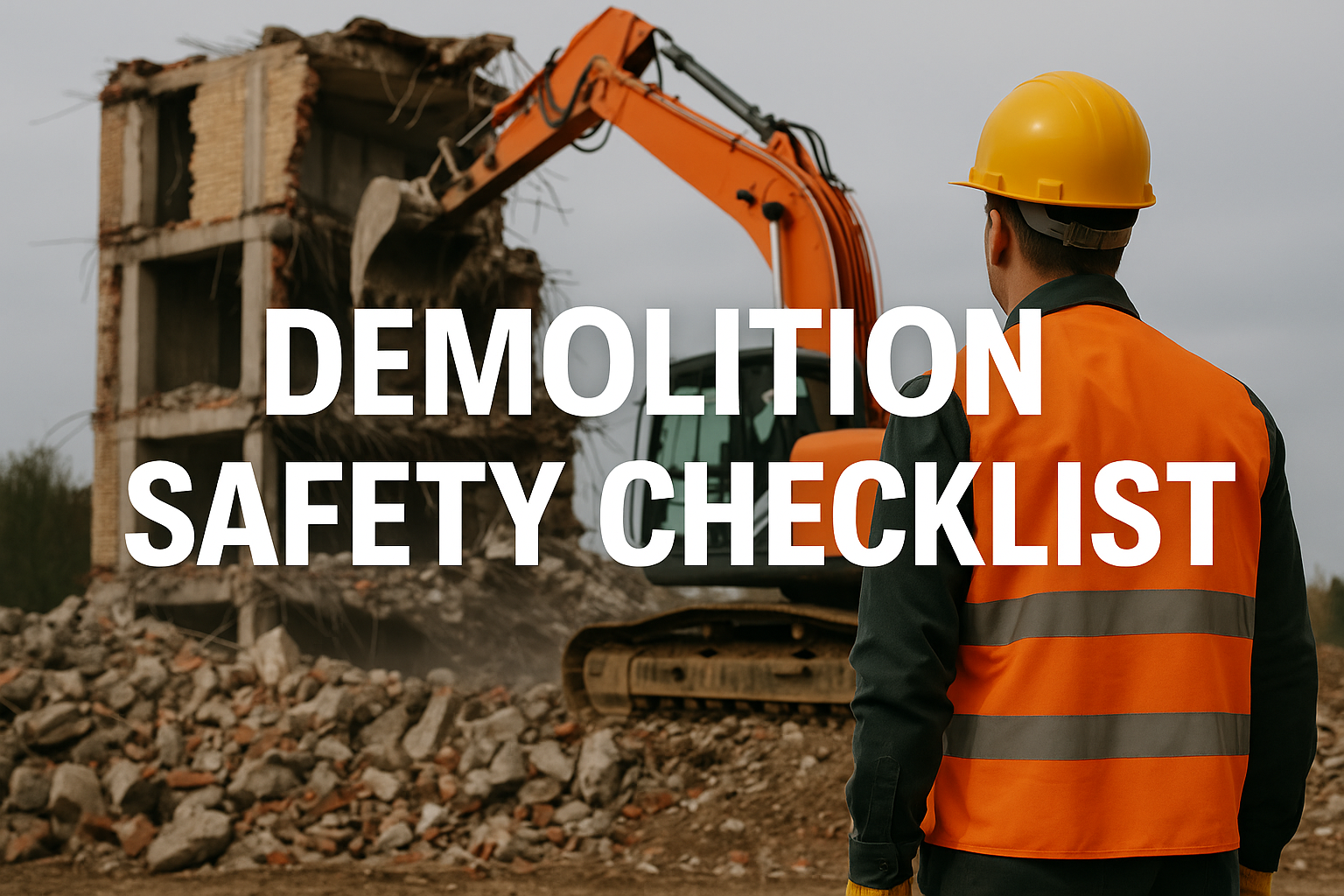
Demolition work is one of the most unpredictable and high-risk jobs in construction, which is exactly why having a proper demolition safety checklist is essential. Whether you’re dismantling a single structure or working on a large-scale demolition project, safety depends on planning, preparation, and protective gear.
At TPR Industrial, we create gear built for professionals who face high-risk environments every day. From type I and type II hard hats to first aid kits and helmet-mounted lights, we understand how the right equipment can make a difference on the job. You can read more about this in our Type I and Type II Hard Hats Explained guide.
This guide covers everything your crew needs to include in a demolition safety checklist, from pre-site inspections to the right protective gear and daily safety routines.
Why a Demolition Safety Checklist Is Essential
A demolition safety checklist isn’t just paperwork—it’s a system that protects lives. Demolition involves unpredictable hazards such as unstable structures, electrical risks, and hidden materials like lead or asbestos. Without a checklist, critical steps can be missed, increasing the chances of serious injury or property damage.
The checklist acts as a map for each stage of the job. It ensures all utilities are disconnected, PPE is inspected, debris chutes are secured, and fire prevention systems are in place. Most importantly, it holds everyone accountable and provides proof of compliance if an incident occurs.
OSHA defines demolition as the dismantling or wrecking of any structure or part of a structure. Whether it’s a manual teardown or a mechanical operation, every project benefits from clear, repeatable safety procedures.
Step One: Conduct a Pre Demolition Survey
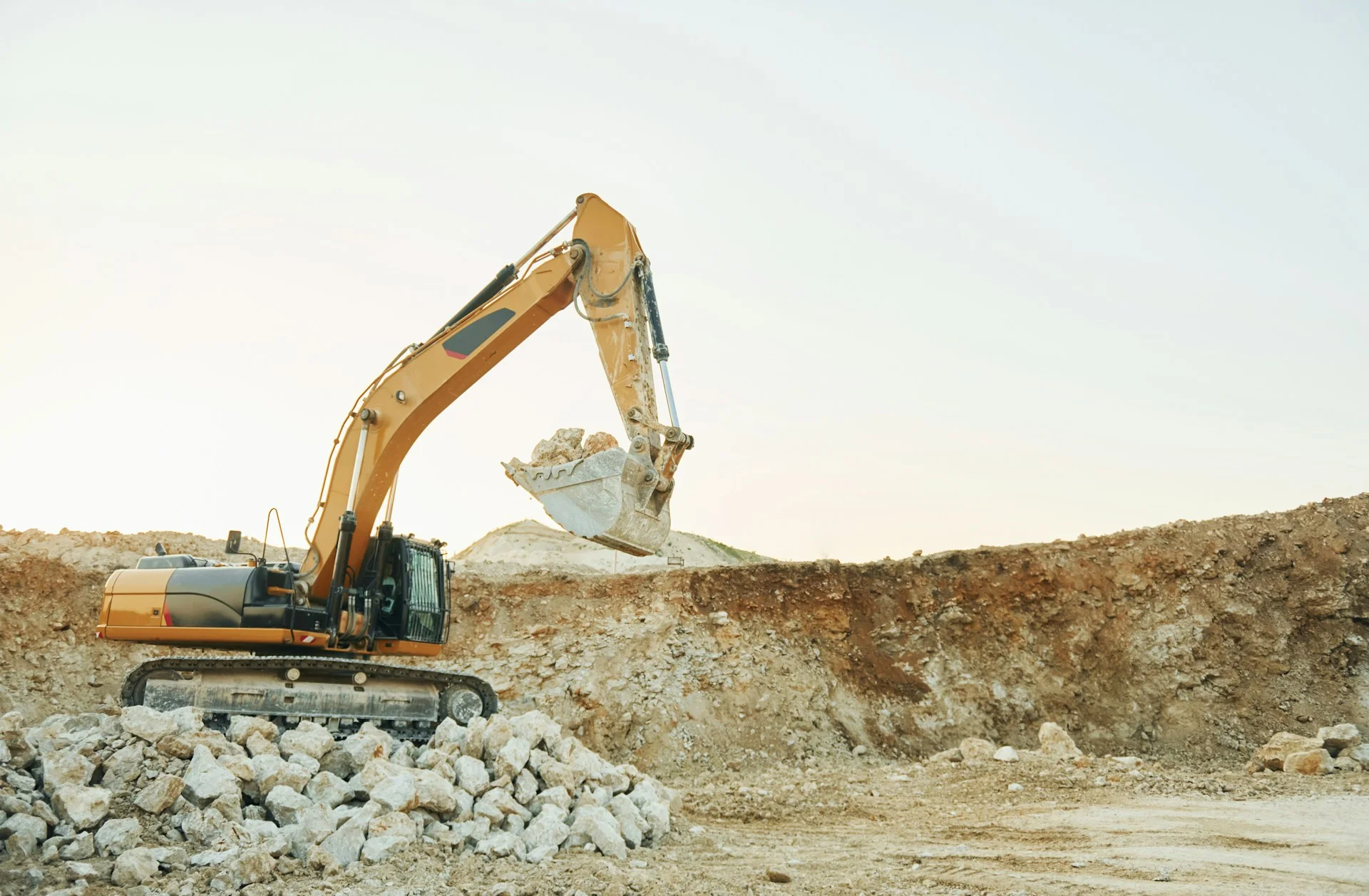
Before any demolition begins, a pre demolition survey is the first item on your checklist. This inspection verifies the condition and stability of the structure and identifies any potential hazards.
What to Include in a Pre Demolition Survey
A qualified engineer or safety officer should:
- Assess the structural integrity of walls, floors, and supports
- Locate all utility lines (gas, electric, water, steam)
- Identify hazardous materials like asbestos or lead-based paint
- Check for potential fire and environmental hazards
- Ensure nearby buildings or roadways are protected from falling debris
This stage should also confirm that all electrical demolition work will be handled by qualified personnel. Power sources must be shut off, locked out, and tagged before anyone begins cutting or removing wiring.
If any hazardous substances are detected, proper abatement must occur before demolition proceeds. A complete pre demolition survey ensures your crew is prepared and reduces surprises once work begins.
Site Preparation and Utility Controls
After the survey, securing the worksite is the next priority. Demolition must always proceed from the top down, starting with roof structures and working floor by floor to the ground level.
Walls or floors showing cracks or instability need to be braced before workers enter the structure. Gas, water, and sewer lines should be capped and clearly marked. Use enclosed debris chutes with discharge gates to manage falling material safely.
Every site must have clear zones established for active demolition areas. No one should work beneath overhead operations, and all entrances, stairways, and ladders should remain well lit and free of debris.
Personal Protective Equipment and Tools
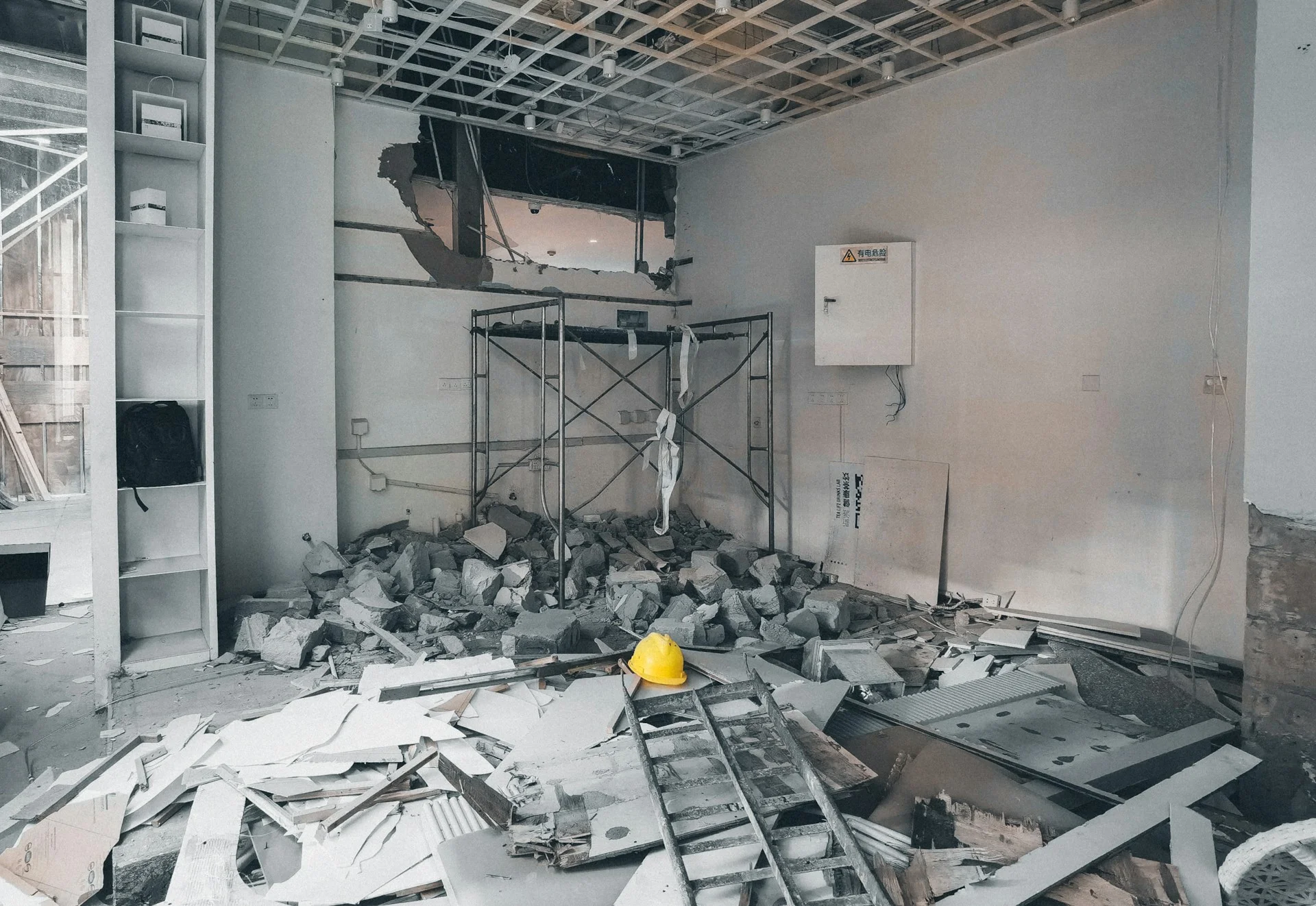
Every worker on a demolition site should have access to reliable equipment for demolition. PPE is the last line of defense between a worker and serious harm, so quality and maintenance matter.
Essential protective equipment includes:
- Head protection: Workers must wear a demolition helmet or Type II helmet for side impact protection. TPR’s WaveCel® and MIPS® helmets provide advanced shock absorption and all-day comfort. Visit our Type II Head Protection collection to learn more.
- Eye and face protection: Safety goggles and face shields prevent injuries from dust, sparks, and fragments.
- Respiratory protection: N95 or half-mask respirators should be used in dusty or contaminated environments.
- Hearing protection: Earplugs or earmuffs are mandatory when working near heavy machinery or explosives.
- Fall protection: Harnesses, lifelines, and anchor systems must meet OSHA strength standards.
- Protective clothing and gloves: Flame-resistant or cut-resistant materials reduce the risk of burns and abrasions.
Inspect all PPE daily, and never use damaged gear. Workers must be trained to fit, wear, and maintain their equipment properly. For added jobsite readiness, ensure every location includes medical kits as outlined in our Construction Site First Aid Requirements guide.
Managing Fire, Fall, and Debris Hazards
Falls and fires are among the top causes of injuries on demolition sites. Setting up proper protection systems before work begins is crucial.
Fall Protection Essentials
- Install guardrails at least 42 inches high along open edges.
- Secure all floor openings with heavy-duty covers.
- Use personal fall arrest systems for any work above 6 feet.
Fire Prevention and Control
- Keep extinguishers within 100 feet of active work areas.
- Inspect extinguishers monthly and replace damaged units immediately.
- Maintain a fire watch during hot work such as welding or torch cutting.
Barricades should be used to mark exclusion zones near drop chutes and heavy machinery paths. Clear signage helps prevent untrained personnel from entering hazardous areas.
Heavy Equipment and Tool Operations
Machinery plays a big role in demolition, but only when handled responsibly. All excavators, loaders, and crushers must be inspected before every shift. Any hydraulic leaks, broken attachments, or electrical faults must be corrected before use.
Load-bearing walls or supports should only be removed once the floors above them have been completely cleared. Using machinery to pull structures before upper sections are removed can trigger catastrophic collapse.
For smaller-scale jobs, workers using power tools should ensure all blades are sharp, cords are undamaged, and guards remain in place. Never operate electrical tools near flammable vapors or liquids without explosion-proof protection.
When selecting equipment for demolition, prioritize machines with enclosed cabs, rollover protection, and stable track bases for better operator safety and control.
Communication and Emergency Planning
A strong communication system is what ties every part of a demolition safety checklist together. Crews should have a clear reporting chain and reliable communication devices such as radios or intercoms.
Post emergency contact numbers and assembly points at visible locations around the site. Conduct safety drills regularly so every worker knows how to respond during incidents like gas leaks, fires, or partial collapses.
If any unsafe condition develops, evacuation should be immediate and controlled. Once hazards are corrected, a safety officer must reauthorize entry before work continues.
Building a Culture of Safety
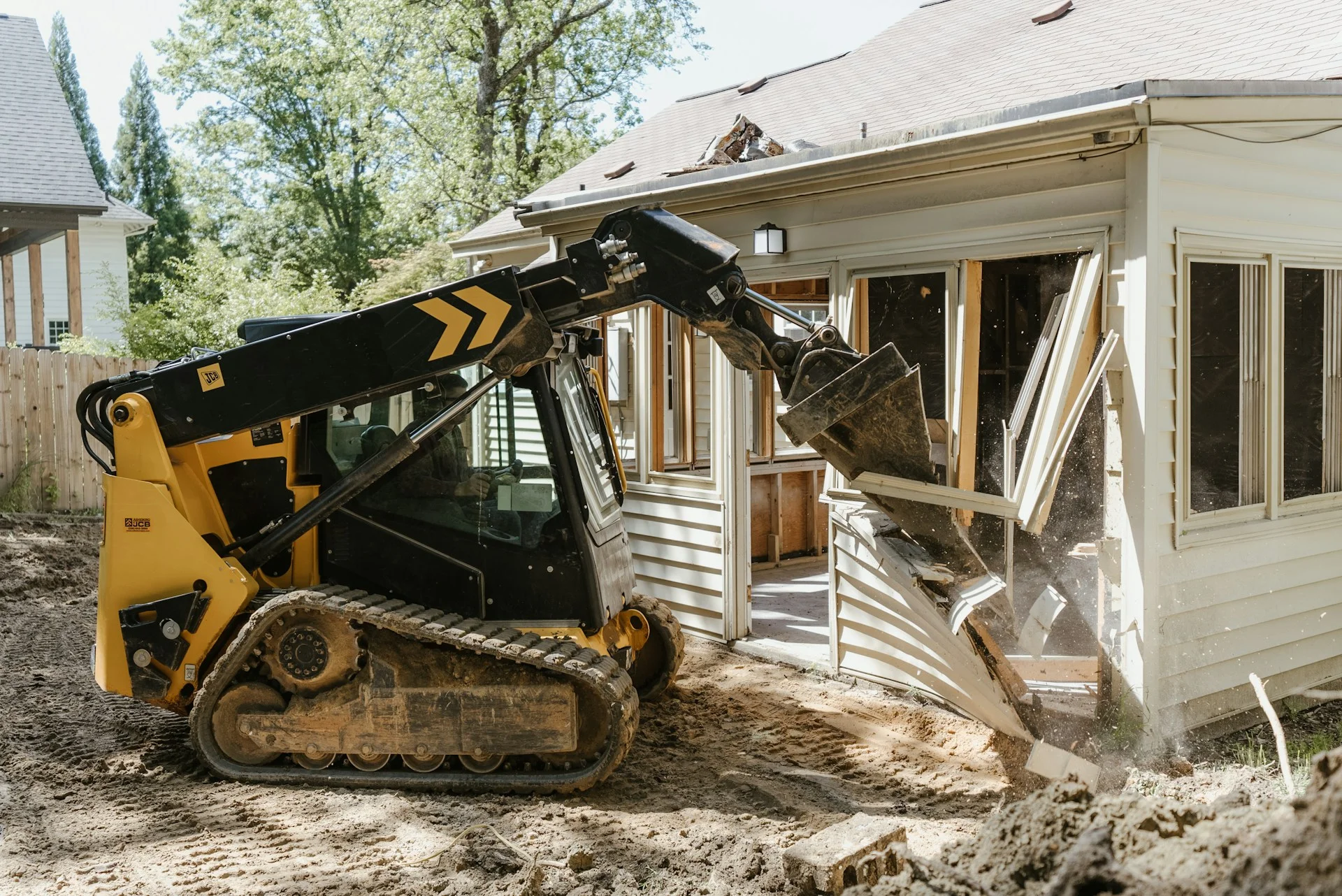
Safety isn’t just about checklists, it’s a mindset that everyone on the team must share. Supervisors should lead by example, ensuring no work starts without inspection and that PPE is worn consistently.
Encourage workers to report unsafe behavior, equipment faults, or missing safeguards without fear of discipline. A transparent safety culture keeps everyone alert and accountable.
If you’re ever unsure about the right protective gear, check out our guide Safety Helmet vs Hard Hat: Is There a Difference?. Understanding what level of protection your job requires can prevent serious injuries.
Conclusion: Turning Checklists into Safer Outcomes
A demolition safety checklist transforms high-risk work into a controlled process. From the first pre demolition survey to the last cleanup inspection, it ensures no crucial step is missed.
Each project presents unique risks, but with consistent planning, reliable communication, and quality gear, teams can work confidently and safely. Whether your crew handles structural takedowns or electrical demolition, TPR Industrial provides the certified equipment professionals trust to do the job right.
To explore advanced impact protection options, visit our Type 2 Head Protection page for helmets engineered to handle the toughest worksites.
FAQs About Demolition Safety
What should be included in a demolition safety checklist?
A thorough demolition safety checklist should cover utility disconnection, structural inspections, PPE verification, debris disposal methods, fire safety, and emergency contacts.
Who performs a pre demolition survey?
A licensed engineer or trained safety inspector should conduct this survey to identify structural weaknesses, hazardous materials, and safe demolition methods.
What PPE is required for demolition work?
Workers need head protection like a demolition helmet, along with safety goggles, gloves, respirators, and fall arrest gear. Depending on the project, hearing and fire-resistant protection may also be required.
What are common risks during electrical demolition?
Electrical demolition exposes workers to shock and fire hazards. Circuits should be locked out, verified de-energized, and tagged before cutting or removal.
How often should PPE be inspected?
Before every shift. Helmets, harnesses, and protective clothing must be replaced if damaged or past their service life.
FAQs About TPR Industrial
What does TPR Industrial specialize in?
We design and manufacture professional-grade safety gear, including helmets, headlamps, and accessories for construction, industrial, and utility workers.
Are TPR Industrial helmets compliant with safety standards?
Yes. Our helmets meet or exceed ANSI Z89.1-2014 and EN 12492:2012 standards for head and electrical impact protection.
Where can I find information about hard hat types?
Read our detailed breakdown Type I and Type II Hard Hats Explained for help choosing the right protection for your trade.
What makes TPR Industrial products different?
We integrate WaveCel (Hardknock) and MIPS technologies into our helmets, reducing linear and rotational impact forces while maximizing comfort and ventilation.
Where can I buy TPR Industrial gear?
Shop our full line of Type 2 head protection, helmet accessories, and lighting solutions directly at TPRIndustrial.com.
Demolition work is one of the most unpredictable and high-risk jobs in construction, which is exactly why having a proper demolition safety checklist is essential. Whether you’re dismantling a single structure or working on a large-scale demolition project, safety depends on planning, preparation, and protective gear.
At TPR Industrial, we create gear built for professionals who face high-risk environments every day. From type I and type II hard hats to first aid kits and helmet-mounted lights, we understand how the right equipment can make a difference on the job. You can read more about this in our Type I and Type II Hard Hats Explained guide.
This guide covers everything your crew needs to include in a demolition safety checklist, from pre-site inspections to the right protective gear and daily safety routines.
Why a Demolition Safety Checklist Is Essential
A demolition safety checklist isn’t just paperwork—it’s a system that protects lives. Demolition involves unpredictable hazards such as unstable structures, electrical risks, and hidden materials like lead or asbestos. Without a checklist, critical steps can be missed, increasing the chances of serious injury or property damage.
The checklist acts as a map for each stage of the job. It ensures all utilities are disconnected, PPE is inspected, debris chutes are secured, and fire prevention systems are in place. Most importantly, it holds everyone accountable and provides proof of compliance if an incident occurs.
OSHA defines demolition as the dismantling or wrecking of any structure or part of a structure. Whether it’s a manual teardown or a mechanical operation, every project benefits from clear, repeatable safety procedures.
Step One: Conduct a Pre Demolition Survey
Before any demolition begins, a pre demolition survey is the first item on your checklist. This inspection verifies the condition and stability of the structure and identifies any potential hazards.
What to Include in a Pre Demolition Survey
A qualified engineer or safety officer should:
- Assess the structural integrity of walls, floors, and supports
- Locate all utility lines (gas, electric, water, steam)
- Identify hazardous materials like asbestos or lead-based paint
- Check for potential fire and environmental hazards
- Ensure nearby buildings or roadways are protected from falling debris
This stage should also confirm that all electrical demolition work will be handled by qualified personnel. Power sources must be shut off, locked out, and tagged before anyone begins cutting or removing wiring.
If any hazardous substances are detected, proper abatement must occur before demolition proceeds. A complete pre demolition survey ensures your crew is prepared and reduces surprises once work begins.
Site Preparation and Utility Controls
After the survey, securing the worksite is the next priority. Demolition must always proceed from the top down, starting with roof structures and working floor by floor to the ground level.
Walls or floors showing cracks or instability need to be braced before workers enter the structure. Gas, water, and sewer lines should be capped and clearly marked. Use enclosed debris chutes with discharge gates to manage falling material safely.
Every site must have clear zones established for active demolition areas. No one should work beneath overhead operations, and all entrances, stairways, and ladders should remain well lit and free of debris.
Personal Protective Equipment and Tools
Every worker on a demolition site should have access to reliable equipment for demolition. PPE is the last line of defense between a worker and serious harm, so quality and maintenance matter.
Essential protective equipment includes:
- Head protection: Workers must wear a demolition helmet or Type II helmet for side impact protection. TPR’s WaveCel® and MIPS® helmets provide advanced shock absorption and all-day comfort. Visit our Type II Head Protection collection to learn more.
- Eye and face protection: Safety goggles and face shields prevent injuries from dust, sparks, and fragments.
- Respiratory protection: N95 or half-mask respirators should be used in dusty or contaminated environments.
- Hearing protection: Earplugs or earmuffs are mandatory when working near heavy machinery or explosives.
- Fall protection: Harnesses, lifelines, and anchor systems must meet OSHA strength standards.
- Protective clothing and gloves: Flame-resistant or cut-resistant materials reduce the risk of burns and abrasions.
Inspect all PPE daily, and never use damaged gear. Workers must be trained to fit, wear, and maintain their equipment properly. For added jobsite readiness, ensure every location includes medical kits as outlined in our Construction Site First Aid Requirements guide.
Managing Fire, Fall, and Debris Hazards
Falls and fires are among the top causes of injuries on demolition sites. Setting up proper protection systems before work begins is crucial.
Fall Protection Essentials
- Install guardrails at least 42 inches high along open edges.
- Secure all floor openings with heavy-duty covers.
- Use personal fall arrest systems for any work above 6 feet.
Fire Prevention and Control
- Keep extinguishers within 100 feet of active work areas.
- Inspect extinguishers monthly and replace damaged units immediately.
- Maintain a fire watch during hot work such as welding or torch cutting.
Barricades should be used to mark exclusion zones near drop chutes and heavy machinery paths. Clear signage helps prevent untrained personnel from entering hazardous areas.
Heavy Equipment and Tool Operations
Machinery plays a big role in demolition, but only when handled responsibly. All excavators, loaders, and crushers must be inspected before every shift. Any hydraulic leaks, broken attachments, or electrical faults must be corrected before use.
Load-bearing walls or supports should only be removed once the floors above them have been completely cleared. Using machinery to pull structures before upper sections are removed can trigger catastrophic collapse.
For smaller-scale jobs, workers using power tools should ensure all blades are sharp, cords are undamaged, and guards remain in place. Never operate electrical tools near flammable vapors or liquids without explosion-proof protection.
When selecting equipment for demolition, prioritize machines with enclosed cabs, rollover protection, and stable track bases for better operator safety and control.
Communication and Emergency Planning
A strong communication system is what ties every part of a demolition safety checklist together. Crews should have a clear reporting chain and reliable communication devices such as radios or intercoms.
Post emergency contact numbers and assembly points at visible locations around the site. Conduct safety drills regularly so every worker knows how to respond during incidents like gas leaks, fires, or partial collapses.
If any unsafe condition develops, evacuation should be immediate and controlled. Once hazards are corrected, a safety officer must reauthorize entry before work continues.
Building a Culture of Safety
Safety isn’t just about checklists, it’s a mindset that everyone on the team must share. Supervisors should lead by example, ensuring no work starts without inspection and that PPE is worn consistently.
Encourage workers to report unsafe behavior, equipment faults, or missing safeguards without fear of discipline. A transparent safety culture keeps everyone alert and accountable.
If you’re ever unsure about the right protective gear, check out our guide Safety Helmet vs Hard Hat: Is There a Difference?. Understanding what level of protection your job requires can prevent serious injuries.
Conclusion: Turning Checklists into Safer Outcomes
A demolition safety checklist transforms high-risk work into a controlled process. From the first pre demolition survey to the last cleanup inspection, it ensures no crucial step is missed.
Each project presents unique risks, but with consistent planning, reliable communication, and quality gear, teams can work confidently and safely. Whether your crew handles structural takedowns or electrical demolition, TPR Industrial provides the certified equipment professionals trust to do the job right.
To explore advanced impact protection options, visit our Type 2 Head Protection page for helmets engineered to handle the toughest worksites.
FAQs About Demolition Safety
What should be included in a demolition safety checklist?
A thorough demolition safety checklist should cover utility disconnection, structural inspections, PPE verification, debris disposal methods, fire safety, and emergency contacts.
Who performs a pre demolition survey?
A licensed engineer or trained safety inspector should conduct this survey to identify structural weaknesses, hazardous materials, and safe demolition methods.
What PPE is required for demolition work?
Workers need head protection like a demolition helmet, along with safety goggles, gloves, respirators, and fall arrest gear. Depending on the project, hearing and fire-resistant protection may also be required.
What are common risks during electrical demolition?
Electrical demolition exposes workers to shock and fire hazards. Circuits should be locked out, verified de-energized, and tagged before cutting or removal.
How often should PPE be inspected?
Before every shift. Helmets, harnesses, and protective clothing must be replaced if damaged or past their service life.
FAQs About TPR Industrial
What does TPR Industrial specialize in?
We design and manufacture professional-grade safety gear, including helmets, headlamps, and accessories for construction, industrial, and utility workers.
Are TPR Industrial helmets compliant with safety standards?
Yes. Our helmets meet or exceed ANSI Z89.1-2014 and EN 12492:2012 standards for head and electrical impact protection.
Where can I find information about hard hat types?
Read our detailed breakdown Type I and Type II Hard Hats Explained for help choosing the right protection for your trade.
What makes TPR Industrial products different?
We integrate WaveCel (Hardknock) and MIPS technologies into our helmets, reducing linear and rotational impact forces while maximizing comfort and ventilation.
Where can I buy TPR Industrial gear?
Shop our full line of Type 2 head protection, helmet accessories, and lighting solutions directly at TPRIndustrial.com.
