 English
 Español
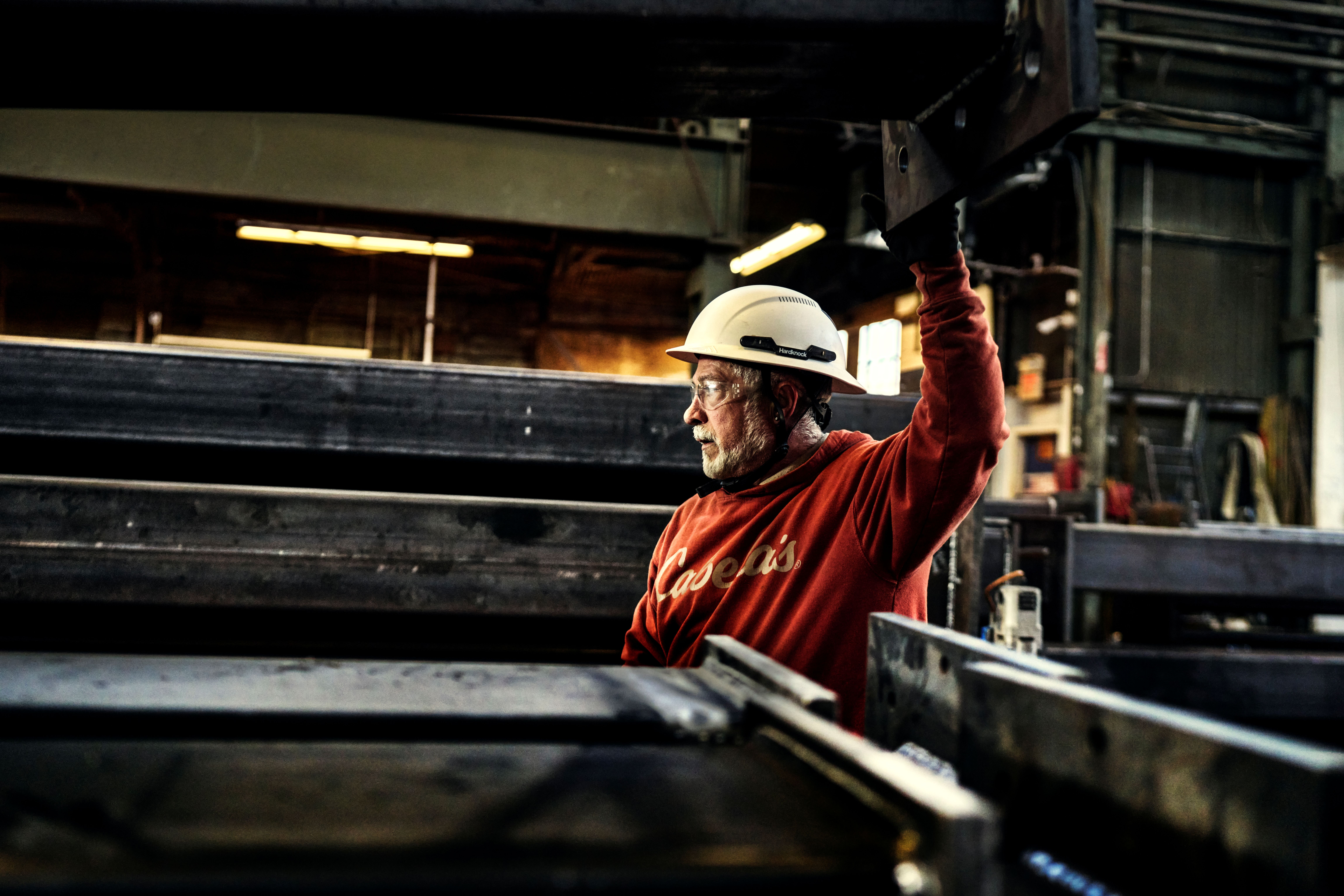
The construction industry continues to evolve when it comes to worker safety — and head protection is becoming a major focus.
According to the Canadian Construction Safety Council (CCSC) official announcement, Type 2 safety helmets with integrated chin straps will become mandatory for subcontractors working on CCSC member job sites across Canada beginning July 1, 2026.
This change reflects a growing understanding across the industry: many serious head injuries do not come from direct top impacts alone. Slips, trips, falls, and side impacts can create dangerous rotational forces during an accident.
Many serious jobsite head injuries occur during slips, trips, and falls — not just from falling objects.
Explore Type 2 Safety Helmets from TPR Industrial
Why Type 2 Safety Helmets Matter
Traditional hard hats were primarily designed to protect against impacts to the top of the head.
However, many real-world jobsite incidents happen differently.
Common causes of head injuries on construction sites include:
- Slips
- Trips
- Same-level falls
- Off-angle impacts
- Side impacts
Type 2 safety helmets are designed to help provide additional protection to the front, rear, and sides of the head — not just the top.
This added protection is one reason more contractors, safety managers, and project owners are reviewing their head protection programs.
Why Chin Straps Matter
During slips, trips, and falls, a helmet can shift or come off before impact. Integrated chin straps help keep the helmet properly positioned during sudden movement, giving the worker a better chance of maintaining protection when it matters most.
For contractors reviewing Type 2 helmet programs, chin strap comfort, adjustability, and worker acceptance should be part of the conversation. A helmet only works as intended when it stays on, fits correctly, and is comfortable enough for workers to wear throughout the day.
A Growing Industry Trend
The CCSC announcement is another sign that the construction industry is continuing to move toward modern head protection standards.
As contractors and safety managers evaluate real-world injury risks, awareness around rotational impacts and side-impact protection continues to grow across North America.
Many companies are now reviewing:
- Type 2 helmet programs
- Chin strap requirements
- Rotational impact technologies
- Worker comfort and wearability
- Long-term safety compliance strategies
While regulations and company requirements continue to evolve, many contractors are proactively transitioning to Type 2 helmets to improve protection against side impacts and falls.
Choosing the Right Type 2 Helmet
Not all Type 2 helmets are the same.
Today’s market includes multiple technologies designed to help address real-world impacts, including systems intended to help reduce rotational forces during angled impacts and falls.
At TPR Industrial, we work with contractors and safety teams to help evaluate Type 2 helmet options based on:
- Jobsite environment
- Comfort preferences
- Venting needs
- Chin strap requirements
- Branding options
- Accessory compatibility
Explore Type 2 Helmet Options
The Future of Jobsite Head Protection
The move by the Canadian Construction Safety Council represents another major step toward improving worker protection on construction sites.
As standards continue to evolve, Type 2 helmets are becoming an increasingly important part of modern jobsite safety programs.
Companies that begin evaluating modern head protection now will be better prepared as awareness, adoption, and safety expectations continue to grow across the industry.
Looking to Transition to Type 2 Safety Helmets?
TPR Industrial helps contractors and safety professionals source modern Type 2 head protection solutions for construction and industrial applications.
Questions about Type 2 helmets, chin straps, or rotational impact technologies?
Call TPR Industrial at (503) 353-7676 or explore our Type 2 helmet solutions online.
