English Español
0 $0.00
items in your cartto quote Checkout
Ooops no items were found.
Try something else.
Ok
Loading…

Heat Stress Prevention: Water, Rest, Shade & Summer Safety Gear for Jobsites

Summer heat can create serious risks on construction sites, industrial jobsites, road crews, maintenance crews, and outdoor work areas. When temperatures rise, employers and safety managers need a clear plan to help workers stay hydrated, cool, and protected throughout the day.

Need Heat Stress Prevention Gear for Your Crew?

TPR Industrial stocks jobsite water coolers, cooling towels, helmet sun protection, hydration products, and summer safety PPE to help crews prepare for hot weather.

Shop Heat Stress Safety Gear

Why Heat Stress Prevention Matters

Heat stress can happen when the body is unable to cool itself properly. On jobsites, the risk can increase because of direct sun exposure, heavy work, hot surfaces, limited airflow, protective clothing, and long shifts. Workers may also be at greater risk when they are new to hot conditions or returning after time away.

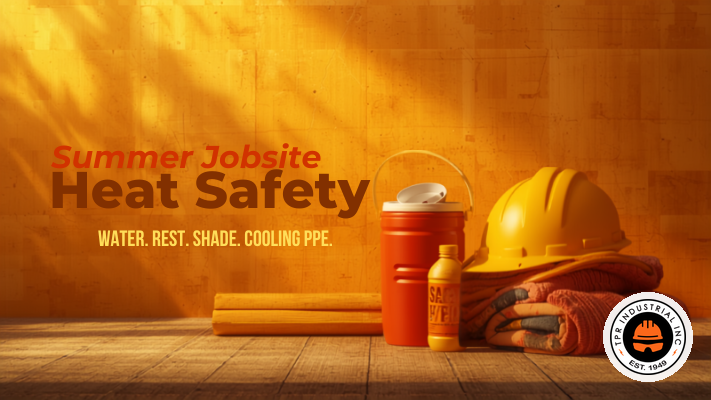
A strong heat safety plan should focus on four simple areas: water, rest, shade, and cooling PPE. These are easy to communicate, easy to train on, and practical for most jobsites.

1. Water: Keep Hydration Available

Water should be easy to access throughout the shift. Crews are more likely to stay hydrated when cool drinking water is placed close to the work area instead of back at the trailer or across the jobsite.

Jobsite water coolers are a simple way to support hydration during summer work. The Igloo 400 Series red/yellow water coolers are a good fit for construction crews, outdoor maintenance teams, industrial facilities, and temporary work areas.

  • Place water coolers near active work zones.
  • Refill coolers before they run low.
  • Keep disposable cups or reusable bottles available.
  • Encourage frequent hydration before workers feel thirsty.

2. Rest: Build Breaks Into the Workday

Rest breaks are important during hot weather, especially when crews are performing heavy physical work. Short, frequent breaks can help workers cool down and recover before heat stress becomes a bigger issue.

Supervisors should pay close attention during heat waves, high-humidity days, and the first hot days of the season. New employees, temporary workers, and employees returning from time away may need extra time to adjust to hot conditions.

  • Schedule heavier work earlier in the day when possible.
  • Rotate workers during high-heat tasks.
  • Give new or returning workers time to acclimate.
  • Train crews to report symptoms early.

3. Shade: Give Workers a Place to Cool Down

Shade gives workers a break from direct sun exposure and radiant heat. A shaded rest area can be as simple as a pop-up canopy, shaded trailer area, covered structure, or another designated cooling zone.

Shade is especially important on roadwork, concrete, roofing, excavation, and other jobsites where workers may be exposed to direct sun for long periods of time.

  • Set up shade close to the work area.
  • Make sure workers know where cooling areas are located.
  • Use shaded areas for breaks, hydration, and recovery.
  • Move shade as work zones change throughout the day.

4. Cooling PPE: Help Reduce Heat Exposure

Cooling PPE and summer jobsite accessories can help workers stay more comfortable in hot conditions. These products do not replace water, rest, or shade, but they can be a useful part of a heat stress prevention program.

Popular summer safety products include cooling towels, hard hat sun shades, neck shades, hydration products, cooling headwear, and lightweight high-visibility apparel.

  • Cooling towels: Help workers cool down during breaks or while working in hot areas.
  • Helmet sun shades: Help provide added sun protection around the neck and face.
  • Hydration products: Support fluid replacement during long summer shifts.
  • Lightweight PPE: Helps workers stay visible without adding unnecessary heat load.

For crews using Hardknock Type 2 safety helmets, the Hardknock sun shield is a popular accessory for added sun coverage during outdoor work.

Common Signs of Heat Stress

Workers and supervisors should be trained to recognize early warning signs of heat-related illness. Catching symptoms early can help prevent more serious situations.

  • Heavy sweating
  • Dizziness or lightheadedness
  • Headache
  • Muscle cramps
  • Nausea
  • Weakness or fatigue
  • Confusion
  • Hot, dry skin or reduced sweating in severe cases

If a worker shows signs of heat illness, move them to a cooler area, provide water if they are able to drink, and seek medical help when symptoms are severe or do not improve.

Jobsite Heat Safety Checklist

A simple checklist can help crews stay prepared during summer weather:

  • Provide cool drinking water close to the work area.
  • Set up shaded rest areas.
  • Schedule breaks during high-heat periods.
  • Train workers on heat stress symptoms.
  • Use cooling towels, sun shades, and hydration products when appropriate.
  • Check on new and returning workers during hot conditions.
  • Plan ahead for heat waves and high-humidity days.

Heat Stress Safety Gear from TPR Industrial

TPR Industrial offers practical summer safety products to help crews prepare for hot weather. Whether you need jobsite water coolers, cooling PPE, helmet sun protection, or hydration supplies, we can help you find the right options for your team.

Shop our full Heat Stress Safety selection or contact us for help building a summer heat safety setup for your crew.

Prepare Your Crew for Summer Heat

Keep workers hydrated, shaded, and protected with jobsite-ready heat stress prevention gear from TPR Industrial.

Shop Heat Stress Safety Gear

Heat Stress Prevention: Water, Rest, Shade & Summer Safety Gear for Jobsites

Summer heat can create serious risks on construction sites, industrial jobsites, road crews, maintenance crews, and outdoor work areas. When temperatures rise, employers and safety managers need a clear plan to help workers stay hydrated, cool, and protected throughout the day.

Need Heat Stress Prevention Gear for Your Crew?

TPR Industrial stocks jobsite water coolers, cooling towels, helmet sun protection, hydration products, and summer safety PPE to help crews prepare for hot weather.

Shop Heat Stress Safety Gear

Why Heat Stress Prevention Matters

Heat stress can happen when the body is unable to cool itself properly. On jobsites, the risk can increase because of direct sun exposure, heavy work, hot surfaces, limited airflow, protective clothing, and long shifts. Workers may also be at greater risk when they are new to hot conditions or returning after time away.

A strong heat safety plan should focus on four simple areas: water, rest, shade, and cooling PPE. These are easy to communicate, easy to train on, and practical for most jobsites.

1. Water: Keep Hydration Available

Water should be easy to access throughout the shift. Crews are more likely to stay hydrated when cool drinking water is placed close to the work area instead of back at the trailer or across the jobsite.

Jobsite water coolers are a simple way to support hydration during summer work. The Igloo 400 Series red/yellow water coolers are a good fit for construction crews, outdoor maintenance teams, industrial facilities, and temporary work areas.

  • Place water coolers near active work zones.
  • Refill coolers before they run low.
  • Keep disposable cups or reusable bottles available.
  • Encourage frequent hydration before workers feel thirsty.

2. Rest: Build Breaks Into the Workday

Rest breaks are important during hot weather, especially when crews are performing heavy physical work. Short, frequent breaks can help workers cool down and recover before heat stress becomes a bigger issue.

Supervisors should pay close attention during heat waves, high-humidity days, and the first hot days of the season. New employees, temporary workers, and employees returning from time away may need extra time to adjust to hot conditions.

  • Schedule heavier work earlier in the day when possible.
  • Rotate workers during high-heat tasks.
  • Give new or returning workers time to acclimate.
  • Train crews to report symptoms early.

3. Shade: Give Workers a Place to Cool Down

Shade gives workers a break from direct sun exposure and radiant heat. A shaded rest area can be as simple as a pop-up canopy, shaded trailer area, covered structure, or another designated cooling zone.

Shade is especially important on roadwork, concrete, roofing, excavation, and other jobsites where workers may be exposed to direct sun for long periods of time.

  • Set up shade close to the work area.
  • Make sure workers know where cooling areas are located.
  • Use shaded areas for breaks, hydration, and recovery.
  • Move shade as work zones change throughout the day.

4. Cooling PPE: Help Reduce Heat Exposure

Cooling PPE and summer jobsite accessories can help workers stay more comfortable in hot conditions. These products do not replace water, rest, or shade, but they can be a useful part of a heat stress prevention program.

Popular summer safety products include cooling towels, hard hat sun shades, neck shades, hydration products, cooling headwear, and lightweight high-visibility apparel.

  • Cooling towels: Help workers cool down during breaks or while working in hot areas.
  • Helmet sun shades: Help provide added sun protection around the neck and face.
  • Hydration products: Support fluid replacement during long summer shifts.
  • Lightweight PPE: Helps workers stay visible without adding unnecessary heat load.

For crews using Hardknock Type 2 safety helmets, the Hardknock sun shield is a popular accessory for added sun coverage during outdoor work.

Common Signs of Heat Stress

Workers and supervisors should be trained to recognize early warning signs of heat-related illness. Catching symptoms early can help prevent more serious situations.

  • Heavy sweating
  • Dizziness or lightheadedness
  • Headache
  • Muscle cramps
  • Nausea
  • Weakness or fatigue
  • Confusion
  • Hot, dry skin or reduced sweating in severe cases

If a worker shows signs of heat illness, move them to a cooler area, provide water if they are able to drink, and seek medical help when symptoms are severe or do not improve.

Jobsite Heat Safety Checklist

A simple checklist can help crews stay prepared during summer weather:

  • Provide cool drinking water close to the work area.
  • Set up shaded rest areas.
  • Schedule breaks during high-heat periods.
  • Train workers on heat stress symptoms.
  • Use cooling towels, sun shades, and hydration products when appropriate.
  • Check on new and returning workers during hot conditions.
  • Plan ahead for heat waves and high-humidity days.

Heat Stress Safety Gear from TPR Industrial

TPR Industrial offers practical summer safety products to help crews prepare for hot weather. Whether you need jobsite water coolers, cooling PPE, helmet sun protection, or hydration supplies, we can help you find the right options for your team.

Shop our full Heat Stress Safety selection or contact us for help building a summer heat safety setup for your crew.

Prepare Your Crew for Summer Heat

Keep workers hydrated, shaded, and protected with jobsite-ready heat stress prevention gear from TPR Industrial.

Shop Heat Stress Safety Gear
SEARCH ×